
Vandaag of morgen in huis

Kwaliteit gegarandeerd

Welkomstaanbiedingen ontgrendelen: GRATIS bezorging | Tot 80% korting | Gratis 30 dagen JoyPlus-proefperiode
Download de app
Spots, blackheads, a shiny T-zone and visible pores don’t automatically call for an elaborate ten-step routine. When choosing Korean skincare for acne and enlarged pores, focus on a gentle routine, suitable active ingredients and a schedule your skin can tolerate.
AHA, BHA, PHA, salicylic acid, niacinamide and azelaic acid often appear in Korean skincare. That doesn’t mean you need them all straight away. Combining different exfoliants can leave your skin dry, tight or sensitive.
It’s better to start with one targeted product. For example, use a salicylic acid cleanser or a BHA product a few times a week, then see how your skin responds.
A cleanser that leaves your skin feeling tight may remove more than just oil and dirt; it could also leave your skin feeling uncomfortable. For skincare for sensitive skin, a gentle face wash with a skin-friendly pH is often a sensible starting point.
Check the full ingredients list. A product may be described as gentle, but still contain fragrance, essential oils or ingredients you’re sensitive to.
Pores can’t be permanently “removed”. Products can, however, help make them look less visible by reducing excess oil, dirt and dead skin cells. Always read claims such as “clinically proven” in context. A brand’s own research may measure certain results under specific conditions; that’s no guarantee of the same results for everyone.
For daily use, look for mild surfactants, glycerine and a pH of around 5 to 6. The SKIN1004 Madagascar Centella Ampoule Foam, for example, lists a pH of 5 and is formulated for daily use. The Dr. Althea Green Relief Amino Gel Cleanser lists a mildly acidic pH of 5.0–6.0 and amino acid- and coconut-based cleansers.
If your main concern is excess oil and blackheads, look for salicylic acid. The COSRX Salicylic Acid Daily Gentle Cleanser lists 0.5% salicylic acid. Tea tree oil and citrus oil are also on the ingredients list, so a patch test is sensible if you have sensitive skin.
An effective routine doesn’t need to be complicated:
If your acne is persistent, painful or widespread, speak to your GP or a dermatologist rather than adding more and more cosmetic products.
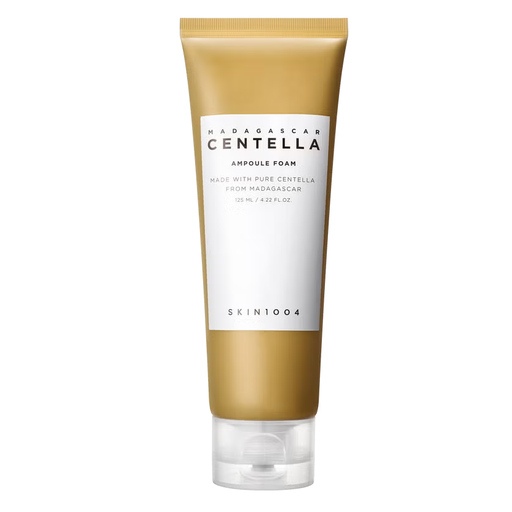
Why it suits this profile: An everyday cleanser with a listed pH of 5, for anyone looking to build a simple skincare routine first.
The focus is on cleansing, rather than layering several acids and serums straight away.
Listed pH of 5, suitable for morning and evening use according to the product information, and designed for several skin types.
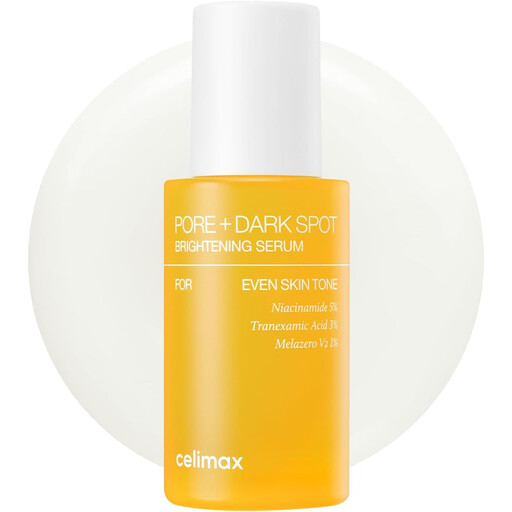
Why it suits this profile: For anyone looking to address uneven skin tone and hydration as well as the appearance of pores.
The listed concentrations make it easier to assess what you’re buying, rather than relying solely on a claim such as “pore refining”.
5% niacinamide and 3% tranexamic acid according to the product description, plus hyaluronic acid and a pump bottle.
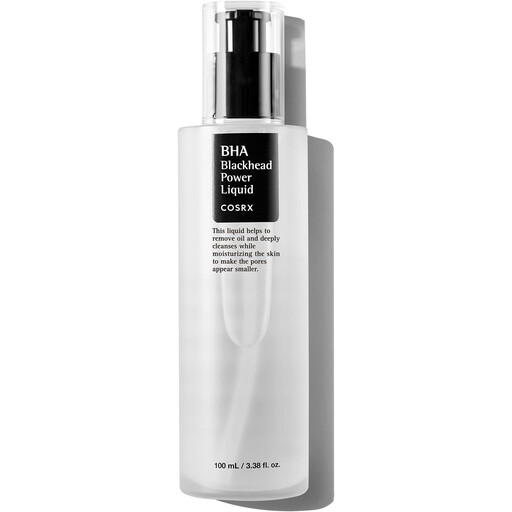
Why it suits this profile: For anyone looking to target blackheads and an oilier T-zone with a dedicated BHA product.
You can build up how often you use it gradually, without also using an acid-based cleanser, toner and cream.
Contains betaine salicylate, niacinamide, panthenol and hyaluronic acid according to the product information; use sun protection during the day.
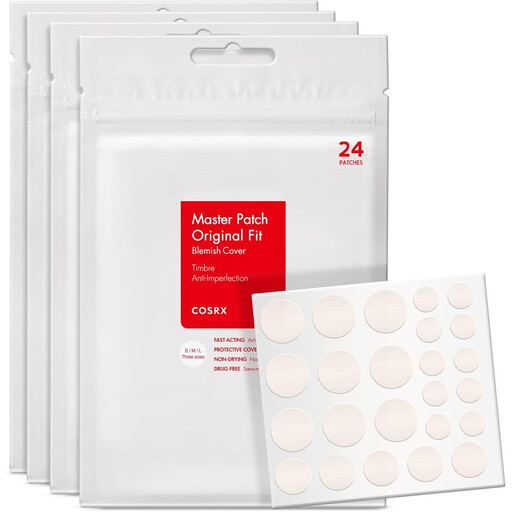
Why it suits this profile: Handy for anyone looking for targeted care and wanting to avoid picking at spots during work, study or sleep.
The patch is a targeted step, so you don’t need to treat your whole face with strong active ingredients.
24 hydrocolloid patches in three sizes according to the product description; apply to clean, dry skin.
We’ve put together a complete, up-to-date list of products that meet these strict selection criteria and current European safety regulations.
Look for a product containing BHA or salicylic acid, such as a salicylic acid cleanser or a liquid exfoliant. Start by using it sparingly, and don’t combine it straight away with AHA, PHA or a strong active serum.
Follow the instructions on the packaging. For the Cosrx Acne Pimple Master Patch, it says to replace the patch when it looks white and full. Apply patches to clean, dry skin.
Sometimes, but it’s best to introduce new products one at a time. Use small amounts, build up gradually and stop if you experience persistent redness, itching or a burning sensation. Always check the latest ingredients list on the packaging.
