
Vandaag of morgen in huis

Kwaliteit gegarandeerd

Welkomstaanbiedingen ontgrendelen: GRATIS bezorging | Tot 80% korting | Gratis 30 dagen JoyPlus-proefperiode
Download de app
Korean sheet masks are popular because they are easy to use and usually come already soaked in essence. However, attractive packaging is no guarantee that a mask will suit your skin. If you focus only on terms such as “glow”, “lifting” or “detox”, you could end up with a product that stings, contains too little essence or simply sits unused in the bathroom.
This guide will help you compare Korean face masks based on ingredients, frequency of use, pack size and skin needs. That way, you can find a hydrating face mask, soothing face mask or daily sheet mask that fits more closely into your routine.
Niacinamide, vitamin C, acids and retinol are often found in Korean skincare. These are all relevant ingredients to look out for, but combining several active ingredients may be less suitable for sensitive or irritated skin. A retinol sheet mask also requires extra care with sun protection. According to Some By Mi’s product information, retinol and retinal can increase sensitivity to sunlight.
So don’t just look at the promise on the front of the pack. Check the full ingredients list as well. Also look out for fragrance allergens, essential oils and exfoliating acids.
A product may be described by the brand as suitable for all skin types, while the formula still contains fragrances, citrus oil or other ingredients that may not suit everyone. For example, Some By Mi Yuja Niacin masks contain citrus oil and limonene. The Galactomyces Glutathione Daily Mask contains bergamot oil, lavender oil, limonene and linalool, among other ingredients.
Do you need a sheet mask for sensitive skin? Check the ingredients first, carry out a patch test and never use the mask on damaged or actively irritated skin.
A pack of 30 sheets may seem appealing for a daily routine, but it is not always practical. A tub must be sealed properly after every use to help prevent the masks from drying out. A pack of five or ten individually wrapped masks is often more convenient for occasional use, travelling or switching between different formulas.
Use this simple guide:
A sheet mask is only practical when it fits well. Thin microfiber, rayon, biocellulose and lyocell sheets can vary in strength, fit and the amount of essence they hold. An oversized mask is more likely to shift, while a sheet that is too small may not properly cover parts of the jaw or forehead.
For many masks, the recommended wear time is between 10 and 20 minutes. A hydrogel mask may be worn for longer. BioDance, for example, recommends three to four hours or overnight use, depending on how it is being used. Don’t allow a traditional paper mask to dry out completely, as this can often feel uncomfortable.
Don’t compare only the number of masks in a pack; also check the amount of essence in each one. The range includes:
A daily sheet mask can be useful if you want to follow a regular routine, while an intensive mask may be better suited to one or two uses per week. Always follow the instructions on the packaging.
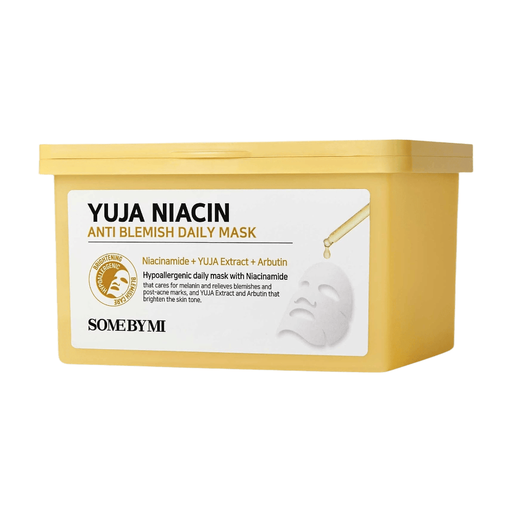
Why it suits this profile: The pack of 30 sheets is practical for anyone who wants to use Korean skincare regularly without having to buy a single mask each time.
The ingredients list is available for checking in advance. Bear in mind that it contains citrus oil, limonene, vitamin C derivatives and retinal, which may be relevant for sensitive skin.
30 individual sheets, niacinamide listed among the earlier ingredients and a recommended wear time of 10–20 minutes according to the product information.
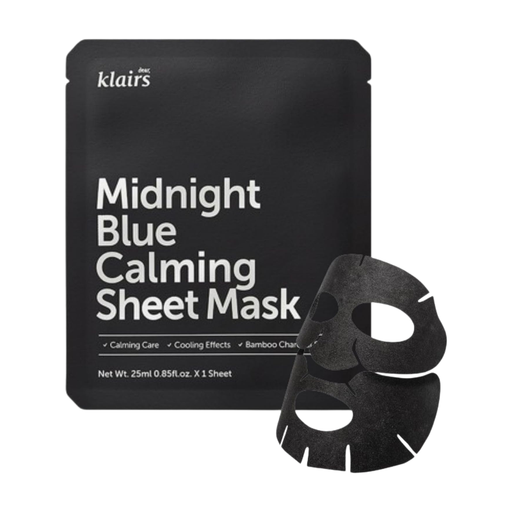
Why it suits this profile: The pack of 10 masks, with 25 ml per mask, is well suited to a considered routine featuring a formula that, according to the product description, is free from artificial colourants and fragrances.
The relevant ingredients and warnings are listed. However, take care with tea tree oil and limonene if you are quick to react to fragrances or essential oils.
Rayon sheet, 25 ml of essence per mask and a stated wear time of 15–20 minutes.
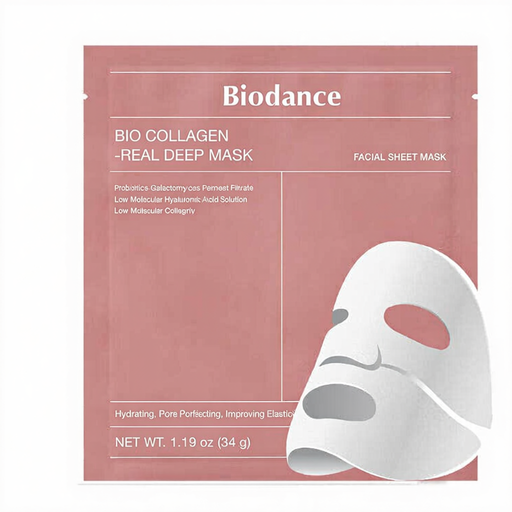
Why it suits this profile: This hydrogel mask is designed for anyone who wants a longer treatment once or twice a week instead of a daily paper mask.
The recommended wear time is clearly stated: three to four hours or overnight. This means you don’t need to treat it like a standard 15-minute sheet mask.
Four 34-gram masks, a hydrogel texture and ingredients such as collagen extract, glycerine and hydrolysed hyaluronic acid.
We have put together a complete, up-to-date list of products that fully meet these strict selection criteria and the applicable European safety regulations.
A vegan sheet mask will be identified by an explicit vegan statement or certification. Also check whether “vegan” applies only to the mask or to the entire formula. According to the product information, the Some By Mi Beta Panthenol Repair Daily Mask is described as EVE Vegan certified and contains panthenol, ceramide NP and several forms of hyaluronic acid, among other ingredients.
It depends on the formula. According to the product instructions, a simple hydrating or soothing face mask may be used daily, while a retinol sheet mask or a formula containing acids may be less suitable for daily use. Follow the packaging instructions and introduce active ingredients gradually.
For many paper masks, the recommended time is between 10 and 20 minutes. Some products differ. BioDance recommends three to four hours or overnight use for its hydrogel mask. Wearing a mask for longer is therefore not automatically better; follow the recommended time for the specific product.
No. Most Korean face masks are designed for single use. Reusing one may also be unhygienic, and the material may lose its shape. Throw the mask away after use and seal a tub containing multiple sheets carefully.
