
Vandaag of morgen in huis

Kwaliteit gegarandeerd

Welkomstaanbiedingen ontgrendelen: GRATIS bezorging | Tot 80% korting | Gratis 30 dagen JoyPlus-proefperiode
Download de app
Korean sheet masks are popular because they deliver a concentrated amount of essence to the skin in a short time. However, not every hydrating face mask is suitable for all skin types. A shiny packet or a long list of ingredients doesn't tell you much about how well a mask will fit into your routine.
So the key question isn't: “Which mask promises the most?” but rather: which formula, wear time and packaging suit my skin type and goal?
A list packed with plant extracts, vitamins and acids can look appealing. But more ingredients also mean more potential for irritation. If you're looking for a sheet mask for sensitive skin, it's wise to first check whether it contains fragrance, essential oils or exfoliating acids.
Look out for salicylic acid, betaine salicylate and capryloyl salicylic acid, for example. These ingredients appear in certain SKIN1004 Tea-Trica, Poremizing and Tone Brightening masks. They may suit an oily or blemish-prone skin, but they aren't automatically right for daily use or a reactive complexion.
Brands use terms like “barrier repair”, “anti-ageing” and “reduces redness”. According to the brand's own research or product description, such products may offer certain benefits, but this isn't a guarantee for every skin type or every user.
Instead, look for verifiable information such as:
Wearing it for longer isn't automatically more effective. Most Korean sheet masks in this selection recommend 10 to 20 minutes. A mask that dries out completely can feel uncomfortable. Always check the packaging and dispose of the mask after a single use.
For a soothing face mask, ingredients like Centella Asiatica, panthenol, allantoin and liquorice derivatives are often used. A Centella sheet mask can be interesting when you're mainly after comfort and hydration. Do check the full formula though: some variants combine Centella with tea tree oil or exfoliating ingredients.
For dry skin, formulas with glycerin, sodium hyaluronate, hyaluronic acid, ceramides and emollient oils tend to work better. A sheet mask with hyaluronic acid can temporarily give the skin a fuller, smoother feel, but it doesn't replace a daily moisturiser.
A thin Tencel sheet, bamboo microfibre or water-gel sheet can sit differently on the face. A good fit helps the essence absorb evenly, but the shape varies depending on your face.
Water-gel and hydrogel masks generally feel cooler. A richer essence with oils and ceramides can be more comfortable for dry skin, while a light essence may suit oily or combination skin better.
Don't just compare the price of the box. Also work out the cost per mask. A pack of five or ten is practical for regular use, while a set with different formulas can be a good way to discover your preference.
Also check the expiry date on the packaging. Store unopened sheets in a cool, dry place away from direct sunlight. Use a mask immediately after opening and don't share it with others.
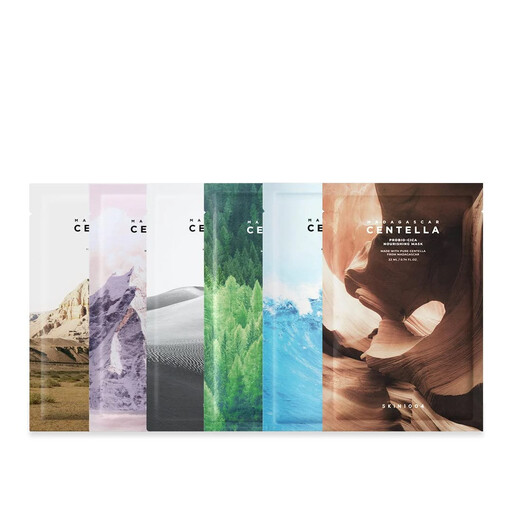
Why this suits the profile: This set contains six different masks, including Hyalu-Cica, Probio-Cica, Tea-Trica and Tone Brightening. That lets you compare without having to buy several large packs straight away.
The variety stops you from buying a whole box of an unsuitable formula based on a single marketing claim. Check the ingredients on each sheet.
Six variants; quantities from 23 to 25 ml; choice of hydrating, nourishing and brightening formulas.
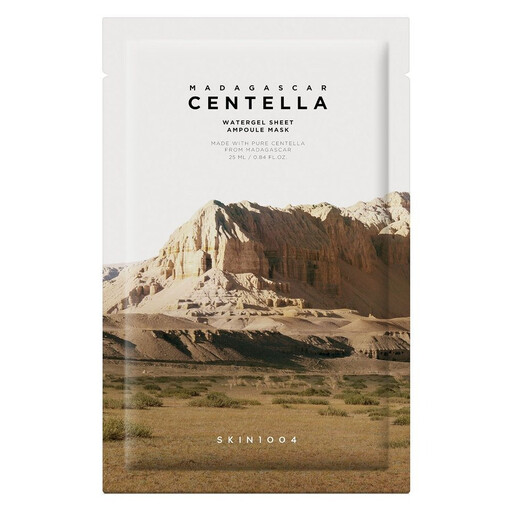
Why this suits the profile: The water-gel sheet is designed for a fresh, light skin feel. According to the product description, the formula contains Centella Asiatica and multiple forms of hyaluronic acid.
The product information lists specific ingredients and a wear time of 10–20 minutes, rather than just a vague glow result.
Five sheets of 25 ml; water-gel material; Centella Asiatica; sodium hyaluronate and other hyaluronic acid variants.
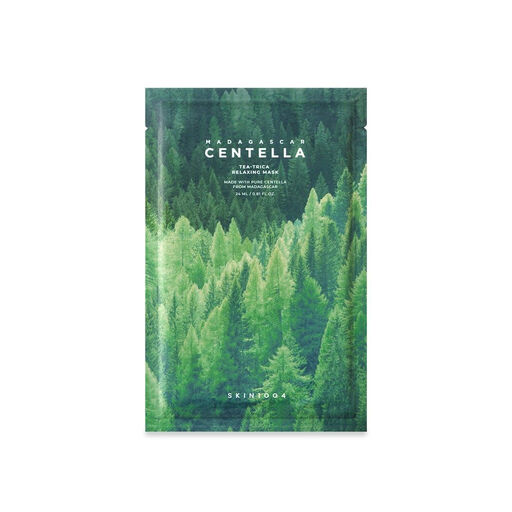
Why this suits the profile: According to the ingredients list, this variant contains tea tree leaf water, Centella Asiatica, niacinamide, panthenol and salicylic acid. That suits users looking for a light formula for oily or combination skin.
The warning about salicylic acid is clearly stated. Do a patch test first and don't combine it thoughtlessly with other exfoliating products.
Five sheets of 24 ml; tea tree leaf water; Centella Asiatica; panthenol and allantoin.
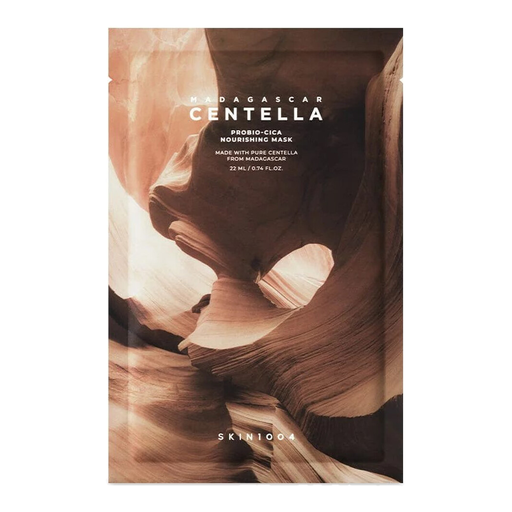
Why this suits the profile: This nourishing formula contains Centella Asiatica, ceramide NP, panthenol, sodium hyaluronate and macadamia oil, among others. According to the product description, the mask is intended for dry, normal, combination and sensitive skin.
The formula isn't just focused on a glow effect; it also lists soothing and skin-caring ingredients. If you have allergies, always check the ingredients yourself.
Ceramide NP; fermented ingredients; panthenol; 23 ml essence per sheet; rich, nourishing composition.
If you experience persistent redness, itching, a burning sensation or swelling, stop using the product. Consult a doctor or dermatologist if symptoms persist. A face mask for redness is a cosmetic treatment, not a remedy for a skin condition.
We've put together a full, up-to-date list of products that fully meet these strict selection criteria and comply with current European safety regulations.
That depends on the formula and your skin. A simple hydrating mask can be used several times a week according to the product instructions. Masks with salicylic acid, betaine salicylate or other exfoliating ingredients require more restraint. Always follow the packaging.
A formula with Centella Asiatica, panthenol or allantoin can provide a soothing skin feel according to the product description. The effect varies from person to person, and a sheet mask doesn't treat medical redness. Stop if irritation occurs and have persistent symptoms assessed.
Use an opened mask immediately and then throw the sheet away. Store unopened packs in a cool, dry place away from direct sunlight. Check the expiry date and batch information on the packaging.
