
Vandaag of morgen in huis

Kwaliteit gegarandeerd

Welkomstaanbiedingen ontgrendelen: GRATIS bezorging | Tot 80% korting | Gratis 30 dagen JoyPlus-proefperiode
Download de app
A Korean sheet mask may seem straightforward: open the sachet, apply the mask and remove it after a few minutes. However, choosing the right one becomes less obvious when your skin is dry, sensitive, red or blemish-prone. Eye-catching packaging or a long ingredients list does not automatically mean that a mask is right for your skin.
The most common buying pitfalls are:
For a hydrating face mask, ingredients such as glycerine, panthenol, betaine and hyaluronic acid are useful to look for on the label. They are often used in formulas designed to leave skin feeling comfortable and supple.
A Centella Asiatica mask may appeal to consumers who are mainly looking for a soothing skincare moment. A brand’s product description may state that Centella Asiatica is intended for sensitive or stressed skin. Treat such claims about effects as information provided by the brand, rather than a guaranteed result.
Tea tree or heartleaf may seem appealing if you have oily or blemish-prone skin. In that case, also check whether the formula contains other ingredients that have irritated your skin in the past. According to SKIN1004’s product information, the Tea-Trica range contains tea tree, Centella Asiatica, panthenol and salicylic acid, among other ingredients. This makes a patch test particularly sensible, especially if you have sensitive or acne-prone skin.
Look at the full ingredients list and check for known allergens. “Natural”, “vegan” or “paraben-free” does not automatically mean that a product is suitable for every skin type. Plant extracts and fragrances can also cause a reaction in some people.
For a sheet mask for sensitive skin, you may want to look for:
If redness, a burning sensation, itching or swelling persists, remove the product and do not use it again. A cosmetic mask is intended for external skincare and is not a substitute for medical advice.
A single 21 to 27 ml mask is a convenient way to try a product first. A multipack of five or ten masks may work out cheaper per application, but only if your skin tolerates the formula well. So check the contents of each sachet and the number of masks included.
The fit affects how easy the mask is to use. A thin tissue or lyocell sheet often fits closely, while a hydrogel or water-gel mask feels different and generally holds more serum. No material automatically suits every face, so pay attention to the cut-outs around the eyes, nose and mouth.
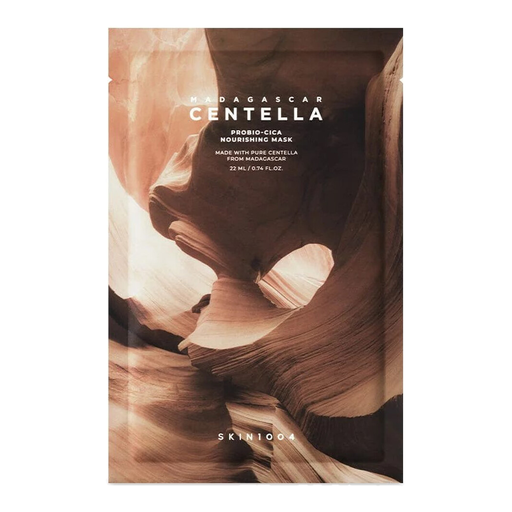
Why it suits this profile: Suitable for anyone looking for a more indulgent skincare moment for dry or sensitive skin and wanting to compare the formula carefully.
The product information lists ceramide NP, panthenol, glycerine and fermented Centella extract. This makes it clear which ingredients define the rich formula.
22 ml per sheet according to the ingredients information; ceramide NP and a 9-peptide complex; recommended application time: 10–20 minutes.
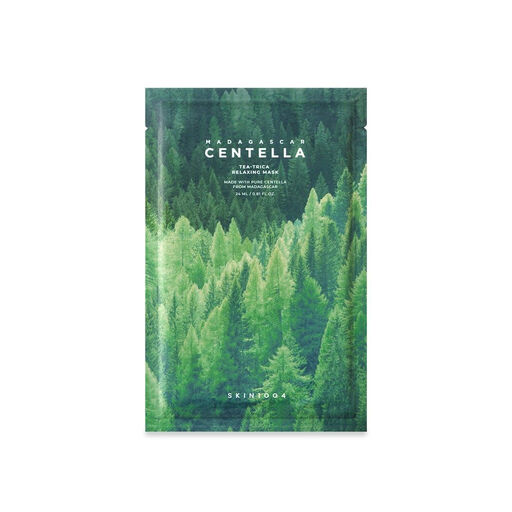
Why it suits this profile: An option for anyone looking for a sheet mask for redness with a lightweight texture, while considering combination, oily or blemish-prone skin.
The formula lists tea tree water, Centella Asiatica and salicylic acid. This helps you avoid choosing a rich mask when you are actually looking for a lighter skincare moment.
47,000 ppm tea tree leaf water and 1,000 ppm Centella Asiatica according to the product information; pack of five sheets.
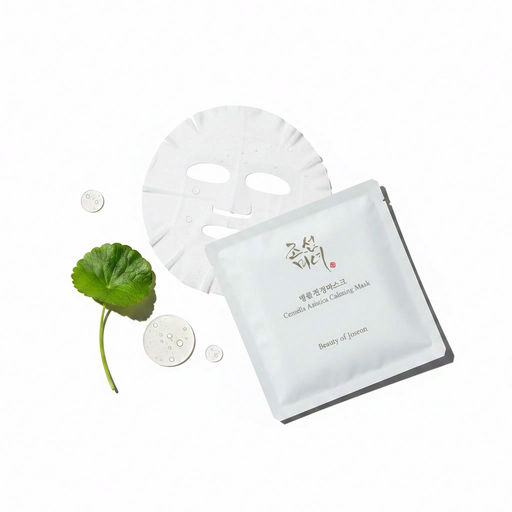
Why it suits this profile: The pack of ten sheets is ideal for anyone who wants to incorporate a hydrating and soothing face mask into their regular routine.
The product page lists 15% Centella Asiatica and three forms of hyaluronic acid. This allows you to choose based on hydration rather than general promises.
25 ml per sheet; ten sheets per pack; thin Tencel layer and an application time of 15–20 minutes according to the product description.
We have put together a complete, up-to-date list of products that fully meet these strict selection criteria and the applicable European safety regulations.
If you have very sensitive skin, patch-testing a small area is a sensible precaution. Do not automatically combine a mask containing salicylic acid with several other exfoliating products in the same routine.
That depends on the formula and the instructions on the packaging. Many products recommend using them once or twice a week, while some masks are designed for a more regular routine. Start gradually and see how your skin responds.
It can be, but always check the ingredients. A mask containing Centella Asiatica, panthenol or allantoin may be appealing for a soothing skincare moment. Fragrances, essential oils or acids may be less suitable for some users. Stop using the product if irritation occurs and follow the safety information on the label.
A hydrating face mask is mainly designed to leave skin feeling comfortable and supple through moisturising ingredients such as glycerine or hyaluronic acid. A so-called barrier-repairing face mask often contains additional ingredients such as ceramides, fatty acids or lipids, according to the product description. These terms describe the composition and intended skincare purpose; they do not guarantee a particular result for your skin.
