
Vandaag of morgen in huis

Kwaliteit gegarandeerd

Welkomstaanbiedingen ontgrendelen: GRATIS bezorging | Tot 80% korting | Gratis 30 dagen JoyPlus-proefperiode
Download de app
A Korean sheet mask may seem simple: open the sachet, apply the mask and wait. Yet there are major differences in materials, wear time, ingredients and packaging. If you only go by words such as “lifting”, “glow” or “anti-ageing”, you may end up buying a product that does not suit your skin or routine.
It is therefore best to focus on information you can verify. A face mask may temporarily leave your skin feeling more comfortable, softer or more hydrated, but cosmetic claims such as firmer skin or a more even complexion are not guaranteed for every skin type.
A list containing numerous peptides, ferments or plant extracts may sound appealing, but more ingredients do not automatically mean that a mask will suit you better. First, look at the ingredients that are relevant to your specific goal:
According to a brand’s own research or product information, certain ingredients may contribute to a particular cosmetic effect. Treat this as product information rather than a medical effect.
Wearing a sheet mask for longer than stated on the packaging does not automatically provide more skincare benefits. Once the material starts to dry out, it may actually feel uncomfortable. Always check the recommended wear time:
Always follow the instructions for the specific product. An opened mask is intended for single use; reusing it is unhygienic and is not recommended in the product information.
A jar containing 30 masks may seem good value, but it needs to be sealed properly to prevent the essence from drying out. A set of four intensive hydrogel masks often has a different purpose and a different price per application.
Compare the following:
For dry skin, glycerine, hyaluronic acid, panthenol, betaine or oils are sensible ingredients to look for. According to the product description, a hyaluronic acid mask is primarily designed to leave the skin feeling comfortable and hydrated.
If you are looking for a niacinamide mask, check where niacinamide appears in the ingredients list. A brightening face mask may also contain vitamin C derivatives, yuja, glutathione or liquorice. Results vary from person to person, and a product is not a substitute for sun protection.
For a sheet mask for sensitive skin, a short ingredients list is not automatically enough. Also check whether it contains perfume, essential oils, acids or other known personal triggers. A patch test on a small area of skin is advisable, especially when trying a new formula.
A well-fitting mask stays in place more effectively while you are wearing it. Cellulose generally feels lightweight, while hydrogel often fits closely and usually contains a richer essence. Some masks consist of two sections, making them easier to apply around the chin and jawline.
A Korean sheet mask with ear loops or a lifting band may create more tension around the jawline. This does not mean that the skin will be permanently lifted. It is primarily a design choice intended to improve fit and wearing comfort.
Only use a mask on intact skin and avoid direct contact with the eyes. Stop using it if you experience redness, swelling, itching or a burning sensation. Products containing vitamin C, acids or retinal may require extra attention to sun protection. Consult a dermatologist if irritation persists.
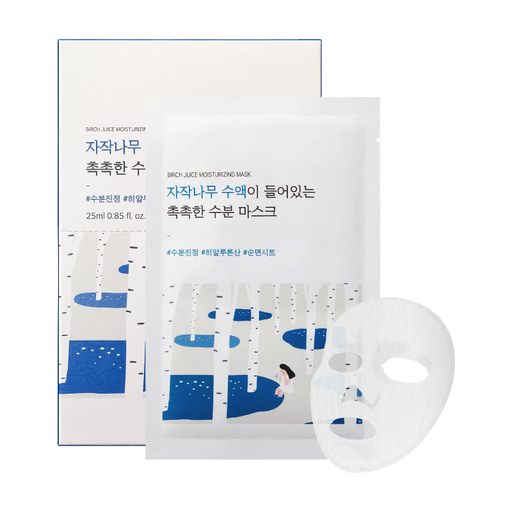
Why it suits this profile: The pack contains 10 individual 25 ml masks. The recommended wear time is 10 minutes, making this an easy introduction to Korean skincare.
The amount per mask and the wear time are clearly stated. This makes it easier to estimate the cost per application.
Contains, among other ingredients, birch sap, glycerine, sodium hyaluronate and allantoin. The mask is designed to hydrate the skin and leave it feeling comfortable.
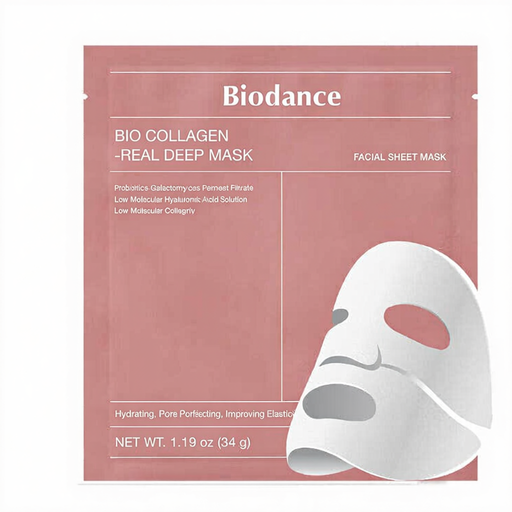
Why it suits this profile: This hydrogel- or biocellulose-style mask contains 34 g of essence per mask and is designed for a longer skincare session, during the day or overnight according to the product description.
The instructions state a clear limit: 3 to 4 hours or overnight. This prevents you from leaving a standard tissue mask on unnecessarily long.
Contains collagen extract, galactomyces ferment, niacinamide, glycerine and hydrolysed hyaluronic acid. The set contains four masks, each weighing 34 g.
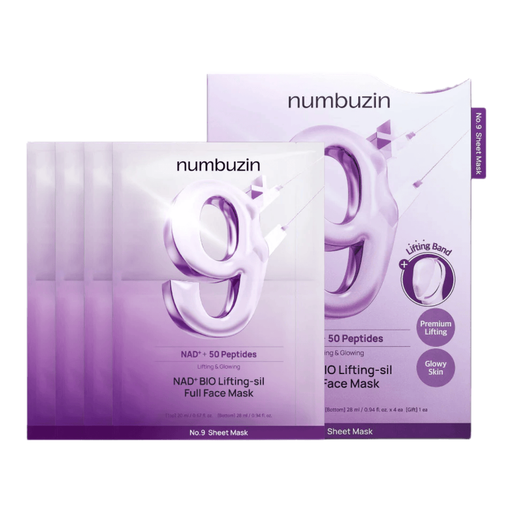
Why it suits this profile: The two-part design with ear loops and an adjustable lifting band is aimed at users who pay close attention to the fit around the chin and jawline.
The instructions explain how to adjust the tension and recommend a wear time of at least 20 minutes. This makes the application more specific than a general lifting claim alone.
Contains niacinamide, panthenol, collagen, elastin and various peptide ingredients, among others. This is a single-use mask with a specific full-face fit.

Why it suits this profile: The product description is aimed at dry, normal, combination and sensitive skin. The milky essence suits those looking for a richer skincare feel.
The formula lists ceramide NP, fermented centella, panthenol and hyaluronic acid. If you have sensitive skin, still check the full ingredients list.
Contains ceramides, fermented centella extract and a 9-peptide complex. The recommended wear time is 10 to 20 minutes.
We have put together a complete, up-to-date list of products that fully meet these strict selection criteria and the applicable European safety regulations.
So, whether you are choosing a collagen face mask, vegan face mask or anti-ageing face mask, do not base your decision on the name alone. Check the ingredients, material and intended use. If you have sensitive skin, a patch test and a simple routine are sensible precautions.
This depends on the formula. Some daily masks are intended for daily use for 5 to 20 minutes. Intensive collagen or hydrogel masks are often used once or twice a week. Always follow the instructions on the packaging.
Only when the product description explicitly allows it. A standard tissue mask is generally not designed for this. Some hydrogel masks, such as certain Biodance products, do state that they can be used overnight. Do not leave a mask on for longer than indicated.
Look for a formula without ingredients that you personally react to, and avoid using it on irritated or damaged skin. A mask containing panthenol, glycerine, allantoin or ceramides may be appealing if comfort is your priority, but always check the full ingredients list and test it on a small area of skin first.
