
Vandaag of morgen in huis

Kwaliteit gegarandeerd

Welkomstaanbiedingen ontgrendelen: GRATIS bezorging | Tot 80% korting | Gratis 30 dagen JoyPlus-proefperiode
Download de app
A Korean sheet mask seems simple enough: open the packet, apply the mask and wait. Yet many shoppers end up buying a product that doesn’t suit their skin type or routine. A thin sheet that won’t stay put, a formula containing an unexpected allergen, or a mask that needs to be left on for hours when you simply don’t have the time – these are all common mis-purchases.
Making the right choice, therefore, starts not with eye-catching packaging or a promise like “glass skin”. Instead, look first at the ingredients, the material, the wear time and the practical instructions.
Words like collagen, hyaluronic acid and Centella Asiatica sound appealing, but on their own they don’t reveal much about the overall formula. Always check the full ingredients list. A mask may contain hydrating ingredients, but also perfume, essential oils or substances your skin is sensitive to.
With a sheet mask for sensitive skin, pay particular attention to perfume allergens. For example, the Dear, Klairs Midnight Blue Calming Sheet Mask lists limonene in its ingredients, alongside tea tree leaf oil. That’s relevant if you’re specifically looking for a fragrance-free or very simple formula.
A classic sheet mask is typically used for around 10 to 20 minutes. Some hydrogel masks are designed to be left on for 2 to 3 hours, or even worn overnight. That might suit a relaxing evening routine, but it won’t work for everyone.
Always follow the instructions on the packaging. Don’t let a short-wear mask dry out on your skin, and never reuse a disposable mask.
A brand may claim that a product firms the skin, reduces redness or improves ingredient absorption. Treat this as a claim from the brand, not a guaranteed outcome. According to the brand’s own research, for example, 100% of a group of 20 participants reported firmer or more radiant-looking skin after use. Such a result is no guarantee for every user.
For an objective comparison, look at verifiable data: net weight, number of masks, recommended usage time, ingredients, origin and warnings.
A traditional sheet mask consists of a thin sheet of rayon, cotton, cellulose or a similar material. It’s lightweight and usually suited to a short treatment. A hydrogel face mask often feels thicker and adheres closely to the skin. Some variants come in two parts, making them easier to position around the nose, chin and jawline.
A rubbery two-step mask, such as Dr.Jart+ CRYO RUBBER with Moisturizing Hyaluronic Acid, consists of an ampoule and a flexible mask that holds the essence in place. The product description states a wear time of 30 to 40 minutes. So check whether you’re willing to set aside that extra time.
Don’t just compare the price per pack – also compare the price per mask and the recommended frequency of use. A pack of 10 individual masks is practical for regular use. A hydrogel pack with four masks, on the other hand, may be intended for a weekly or special treatment.
Also check the expiry date on the packaging, and store masks in a cool, dry place away from direct sunlight. An opened pouch can dry out, making the mask less pleasant to apply.
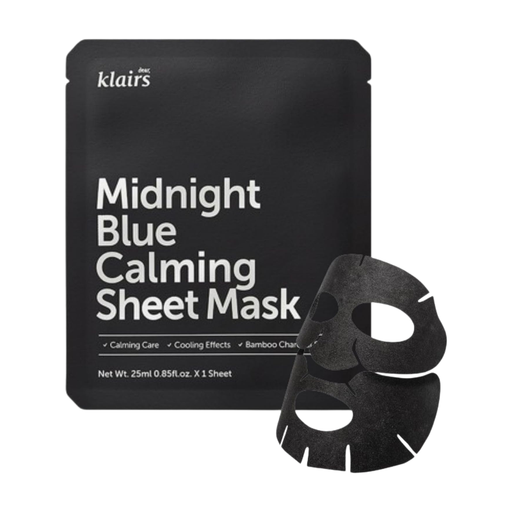
Why this suits the profile: The pack contains 10 masks of 25 ml each. The recommended wear time is 15–20 minutes, making this a straightforward choice for a short routine.
The product information provides clear usage instructions and a rayon sheet. However, do check the ingredients list: it includes tea tree leaf oil and limonene.
10 individual masks; 25 ml essence each; 15–20 minutes wear time; Centella Asiatica and glycerin in the formula.
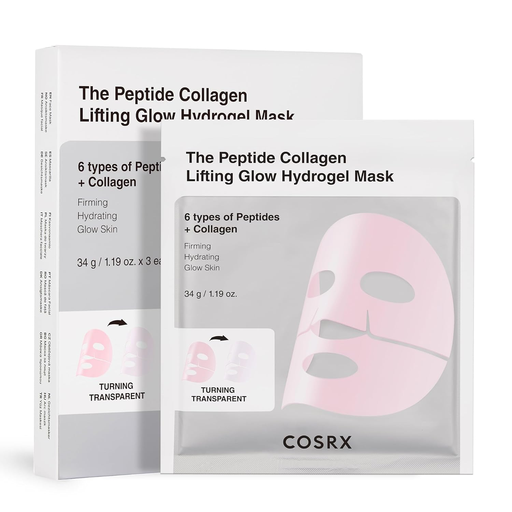
Why this suits the profile: This hydrogel mask is designed for users who want multiple active ingredients in one treatment and are happy with a longer wear time.
The product page mentions a patch test and a clear wear time of 2–3 hours or until the mask becomes transparent. That removes any guesswork about how long to leave it on.
Three masks of 34 g each; peptides, collagen, hyaluronic acid and ceramides; hydrogel that becomes transparent according to the product information.

Why this suits the profile: This hydrogel variant is designed for a longer treatment: 3–4 hours during the day or overnight, according to the usage instructions.
The instructions give a specific time window and advise use on cleansed skin. Discontinue use if irritation occurs and avoid applying to damaged skin.
Four masks of 34 g each; ceramides, panthenol and multiple forms of hyaluronic acid in the ingredients list; hydrogel material.
We’ve put together a full, up-to-date list of products that fully meet these strict selection criteria and comply with current European safety regulations.
Do not use a mask on damaged, infected or severely irritated skin. If you experience a burning sensation, itching, swelling or a rash, stop using it immediately.
That depends on the formula and the brand’s instructions. A simple hydrating face mask may be suitable for some users to use several times a week. A mask containing retinol, lots of active ingredients or with a long wear time is best used according to the product directions. Also pay attention to how your skin reacts.
Only if the product information allows it. Biodance states a longer wear time and overnight use for the hydrogel masks mentioned here. A traditional sheet mask isn’t automatically suitable for that. Remove the mask once the recommended time is up, or if you experience any irritation.
Look for a short, straightforward ingredients list and avoid substances you’ve reacted to before. Centella Asiatica, panthenol and allantoin are common in soothing formulas, but even these ingredients don’t guarantee personal tolerance. A patch test and reading the full ingredients list remain important.
