
Vandaag of morgen in huis

Kwaliteit gegarandeerd

Welkomstaanbiedingen ontgrendelen: GRATIS bezorging | Tot 80% korting | Gratis 30 dagen JoyPlus-proefperiode
Download de app
A Korean sheet mask can be a handy addition to your skincare routine. However, not every face mask is right for every skin type. A thin sheet, a long ingredients list or words such as “glow” and “repair” don’t, on their own, tell you whether it’s the right choice.
Pay particular attention to the formula, the directions for use and the number of masks in the pack. This can help you avoid spending money on a mask that feels too heavy, irritates your skin or ends up unused in the bathroom.
More ingredients don’t automatically mean a mask will suit your skin better. Start by looking at the ingredients near the top of the list, then check for potential concerns such as fragrance, essential oils or exfoliating ingredients.
A Centella Asiatica mask may appeal if you’re looking for a soothing skincare routine. Centella Asiatica, glycerine, panthenol and hyaluronic acid are often used in formulas designed to hydrate and feel comfortable on the skin. However, suitability varies from one skin type to another.
Terms such as “anti-ageing”, “reduces redness” and “skin repair” don’t guarantee a particular result. According to brands’ own product information, ingredients such as niacinamide, peptides, ceramides or tea tree may have certain skincare benefits. That doesn’t mean every product will work in the same way for everyone.
Think of an anti-ageing sheet mask as a skincare product that may temporarily leave your skin feeling supple or hydrated, rather than as a substitute for dermatological treatment.
Most sheet masks are designed to be left on for around 10 to 20 minutes. Leaving one on for longer isn’t always helpful: as the sheet dries out, it can feel tight and uncomfortable. The product description for Biodance Bio Collagen-Real Deep Mask gives a different recommended wear time of 3 to 4 hours or overnight.
Always check the instructions on the packaging. And never reuse a sheet mask.
Choose a mask based on your main concern:
Don’t compare the price per pack alone. A single 25 ml mask is different from a multipack of 5 or 10. Divide the price by the number of masks to work out the cost per use.
Check the packaging, too. An open pack may dry out or become contaminated more quickly. Store unopened masks in a cool, dry place away from direct sunlight, as advised in the product information.
Masks containing salicylic acid, betaine salicylate or capryloyl salicylic acid need extra consideration. According to SKIN1004’s product information, some formulas aren’t intended for children under 3, and sun protection may be needed during the day. If you already use acids, retinol or other active skincare, it’s best not to combine everything on the same day.
If you have allergies, always check the latest ingredients list on the packaging. If you have sensitive skin, carry out a patch test first.
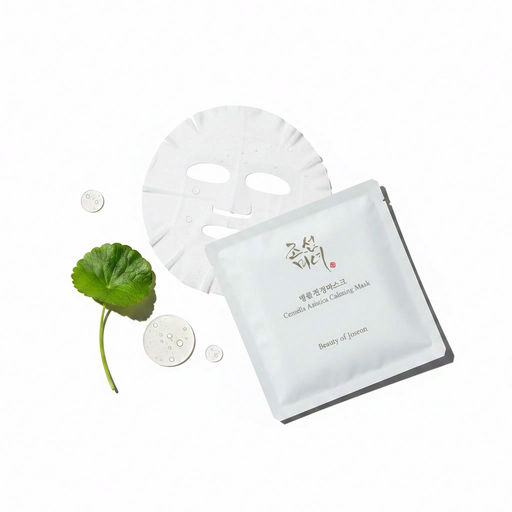
Why it suits this profile: A pack of 10 masks makes it easy to compare the price per use and build a regular weekly routine. The product description lists Centella Asiatica, three types of hyaluronic acid and a thin Tencel sheet.
The ingredients and recommended wear time are clearly listed, so you don’t have to rely on a vague “soothing” claim alone.
10 masks per pack; Centella Asiatica, panthenol and hyaluronic acid according to the ingredients list.
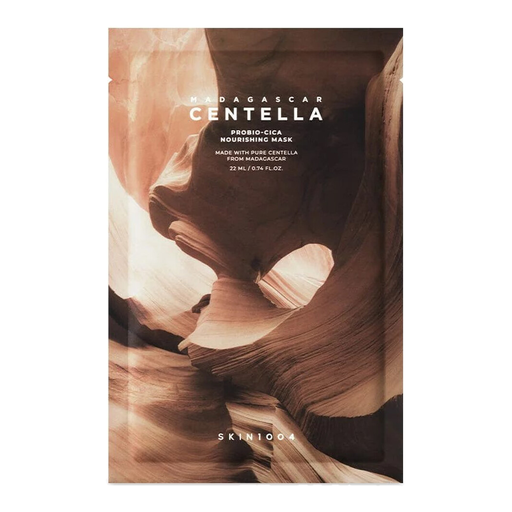
Why it suits this profile: This option is designed to offer richer care. The ingredients list includes Centella Asiatica, ceramide NP, panthenol, niacinamide and several peptides.
The choice isn’t based on words such as “nourishing” alone; the listed ingredients make it easier to assess the formula.
5 masks; ceramide NP and fermented Centella according to the product information; recommended wear time of 10–20 minutes.
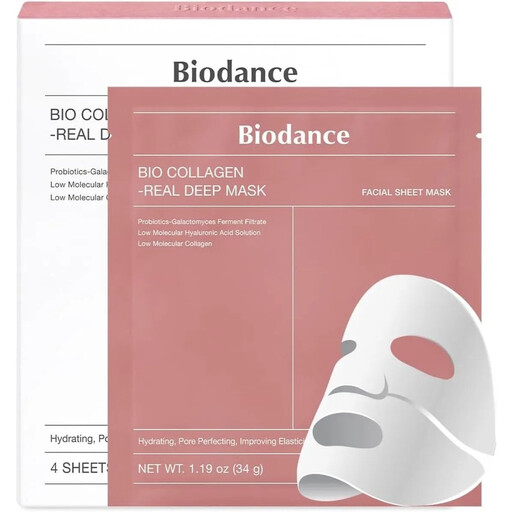
Why it suits this profile: The product description lists a biocellulose hydrogel mask containing fish collagen, hyaluronic acid, galactomyces ferment and adenosine. It’s designed for a longer treatment of 3–4 hours or overnight.
The longer wear time is clearly stated, so you’ll know in advance that this isn’t a standard 10-minute mask.
4 individually packed masks; two-piece biocellulose sheet; turns transparent as it dries and becomes thinner, according to the description.
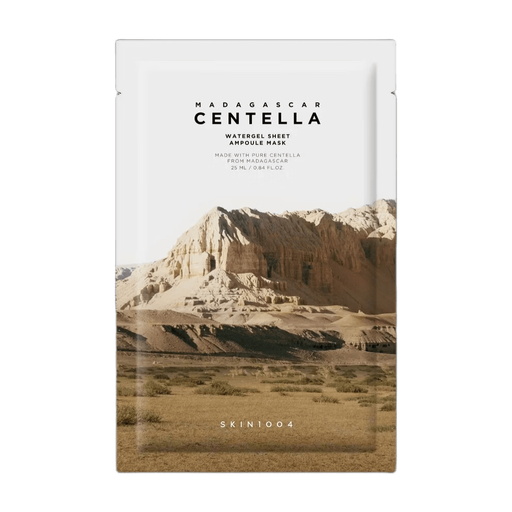
Why it suits this profile: The formula contains glycerine, betaine, Centella Asiatica and several types of hyaluronic acid. The water-gel sheet is designed to be left on for 10–20 minutes.
The ingredients and standard wear time are clearly listed, without the need to plan for a long treatment.
25 ml per sheet; Centella Asiatica and several types of hyaluronic acid; ideal for a quick hydrating routine.
We’ve put together a complete, up-to-date list of products that meet these strict selection criteria and current European safety regulations.
Stop using the mask if you experience redness, itching, a burning sensation or swelling. If symptoms persist, it’s a good idea to consult a doctor or dermatologist.
It depends on the formula and how your skin reacts. Some people may be able to use a hydrating face mask without exfoliating acids several times a week. Use masks with salicylic acid or similar active ingredients more cautiously and follow the label.
Always follow the instructions on the packaging. Many Korean sheet masks are designed to be left on for 10 to 20 minutes. Some hydrogel masks, such as the Biodance version above, recommend a much longer application. Don’t leave a standard sheet mask on until it has dried completely.
Look for a short, easy-to-understand ingredients list with ingredients such as glycerine, panthenol, allantoin or Centella Asiatica. Avoid trying new active ingredients when your skin already feels irritated, and carry out a patch test first. A product description may say a mask is suitable for sensitive skin, but your own skin’s reaction is what matters most.
