
Vandaag of morgen in huis

Kwaliteit gegarandeerd

Welkomstaanbiedingen ontgrendelen: GRATIS bezorging | Tot 80% korting | Gratis 30 dagen JoyPlus-proefperiode
Download de app
Korean serums are popular thanks to their lightweight textures, multiple active ingredients and wide choice for different skin concerns. However, it is not advisable to choose one based solely on eye-catching packaging, a high percentage or a promise of “glow”. The right facial serum starts with your skin type, the result you want to achieve and a formula you can introduce gradually.
A niacinamide serum containing 10% sounds convincing, but a higher concentration is not automatically more comfortable for every skin type. The same applies to a vitamin C serum, azelaic acid or retinal. Therefore, check:
Product claims about, for example, a more even complexion, less visible blemishes or firmer-looking skin come from the brand. Do not regard them as guaranteed results. A brand’s own research may report certain effects, but your skin may respond differently.
Combining an acne serum, a serum for dark spots and an anti-ageing serum may seem efficient, but it can make your routine unnecessarily complicated. Salicylic acid, vitamin C, azelaic acid, retinal and retinol in particular require a careful introduction.
Ideally, start with one new product. Apply a small amount to a limited area of skin first and pay attention to the warnings on the packaging. Stop using it if you experience persistent redness, itching, swelling or a burning sensation, and ask a doctor or pharmacist for advice if you are unsure.
A serum usually does not replace a moisturiser. A hydrating serum containing hyaluronic acid, beta-glucan or glycerine can add moisture to the skin, while a cream helps to lock it in. For products containing vitamin C, retinal, retinol, acids or ingredients targeting pigmentation, broad-spectrum sunscreen during the day is important according to the product information.
Start by considering the concern you want to address:
A thin, watery formula often works well under moisturiser and sunscreen. A gel texture can feel pleasant on oilier skin, while a richer serum or a formula containing oils may offer greater comfort for dry skin.
Also consider the size: Korean serums are available in 15, 30, 50 or 100 ml formats. A smaller bottle is practical when trying an active ingredient for the first time. Check the expiry date, the period after opening and any changes in colour according to the packaging.
Before buying, check the most recent ingredients list on the packaging. Product formulas may change. Also pay attention to:
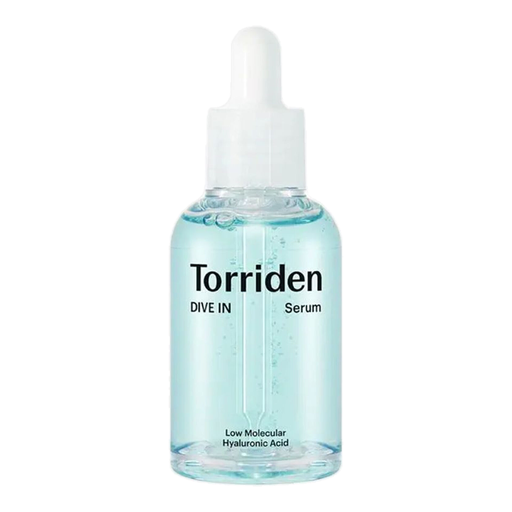
Why it suits this profile: Suitable for users looking for a more comprehensive hydrating serum containing several moisture-binding ingredients.
The product description mentions five types of hyaluronic acid, as well as panthenol, beta-glucan and ceramide NP. Check the current packaging for the latest formula.
50 ml; fragrance-free formula according to the product information; contains ceramide NP and panthenol.
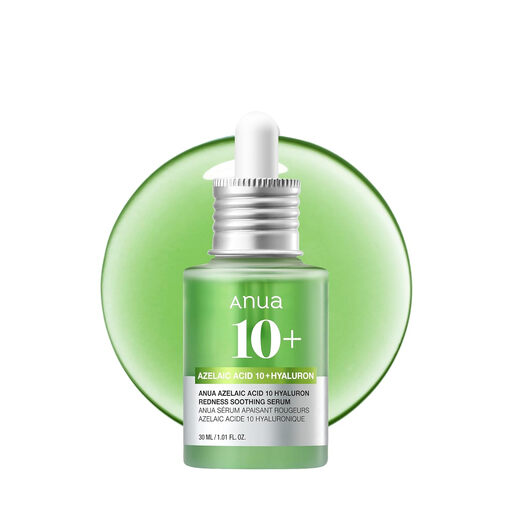
Why it suits this profile: For anyone specifically interested in azelaic acid, redness and skin that may react sensitively to active ingredients.
The instructions recommend starting with 1–2 drops once or twice a week. This helps introduce 10% azelaic acid gradually.
10% azelaic acid; panthenol, allantoin and sodium hyaluronate; clear instructions for gradual introduction.
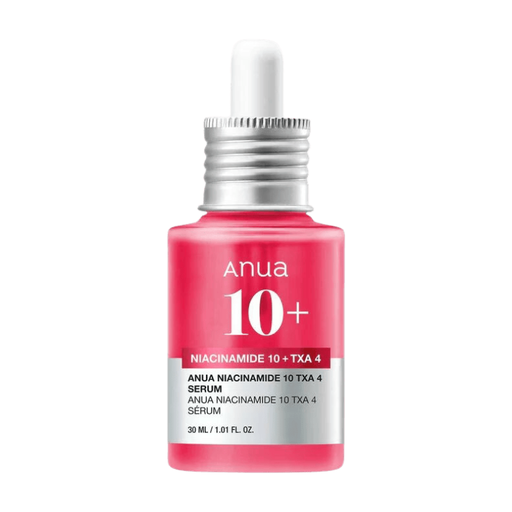
Why it suits this profile: A targeted option for anyone looking for a serum for dark spots, post-acne marks and an uneven complexion.
The key active ingredients are clearly stated: 10% niacinamide and 4% tranexamic acid. Use sun protection and assess how your skin responds before expanding your routine.
Niacinamide and tranexamic acid; also contains alpha-arbutin, panthenol and several forms of hyaluronic acid.
We have put together a complete, up-to-date list of products that fully meet these strict selection criteria and the applicable European safety regulations.
A vitamin C serum, peptide serum or hyaluronic acid serum can usually be added easily to an existing routine. According to the label, a retinal serum is generally used in the evening and introduced gradually. Do not simply combine several powerful active ingredients.
That depends on the amount it contains and how you use it. A 30 ml bottle used with a few drops at a time will often last longer than when you apply a generous amount to your entire face and neck. Follow the period-after-opening symbol and store the product as directed, usually in a cool place away from direct sunlight.
Look for a short, straightforward ingredients list containing ingredients such as panthenol, beta-glucan, glycerine, centella asiatica or ceramide NP. Avoid introducing retinal, retinol, acids or high concentrations too quickly. Test the product on a small area of skin first and check whether the formula contains fragrance or alcohol.
Sometimes, but it is not essential. Start with one product and only add a second later if your skin remains calm. Pay particular attention to whether both serums contain acids, niacinamide, vitamin C or other active ingredients. For persistent acne, severe redness or changes in pigmentation, professional medical advice is more appropriate than layering multiple cosmetic serums.
