
Vandaag of morgen in huis

Kwaliteit gegarandeerd

Welkomstaanbiedingen ontgrendelen: GRATIS bezorging | Tot 80% korting | Gratis 30 dagen JoyPlus-proefperiode
Download de app
A serum can be a simple addition to your skincare routine, but there is a huge range of Korean serums to choose from. Are you mainly looking for hydration, a more even complexion, soothing care or support for visible signs of skin ageing? In that case, it is more important to consider the formula and how to use it than to rely on eye-catching marketing claims.
A high-percentage vitamin C serum may sound appealing, but a potent formula may be less suitable for sensitive skin. Vitamin C23, for example, contains 23% ascorbic acid. The product information therefore recommends carrying out a patch test and storing the product in the refrigerator. It also advises using it within two months of opening to help preserve the active ingredients.
The same applies to a serum for dark spots: do not look only at the percentage of niacinamide or tranexamic acid. Consider the rest of the ingredients and the directions for use as well.
Brands sometimes describe their products using terms such as “deep hydration”, “collagen stimulation” or “reduced wrinkles”. According to the brand’s own research or the product description, these properties may form part of the product’s positioning, but they are not a personal guarantee.
Use verifiable information as your starting point instead: the ingredients list, concentrations, volume, texture, fragrances and warnings. For example, a hydrating serum containing glycerine, panthenol, beta-glucan or hyaluronic acid may suit dehydrated skin, but results vary from person to person.
Combining a retinol serum, vitamin C serum and exfoliating acids can leave your skin feeling uncomfortable. This does not mean that these ingredients are inherently unsuitable, but building a routine with them requires care.
Start with one new product. It is best to use a retinol serum or retinal product in the evening and apply sun protection during the day. Stop using the product if you experience persistent redness, itching, swelling or a burning sensation, and seek medical advice if symptoms continue.
Look beyond the front of the packaging. The INCI list shows which ingredients are present. Among other things, look out for:
A formula containing lots of ingredients is not automatically better than a simple formula. Ideally, choose a product whose purpose and directions for use you understand.
Korean face serums often contain 20 to 50 ml, while boosters or essences may also come in 100 to 150 ml sizes. A larger bottle is only better value if you use the product regularly before its after-opening shelf life expires.
Store vitamin C and retinoid products according to the packaging instructions, away from direct sunlight and in the refrigerator where indicated. Check the expiry date, batch information and period after opening before buying and again when your order arrives.
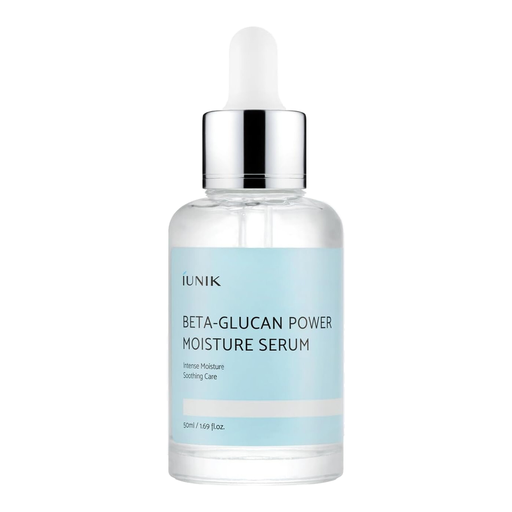
Why it suits this profile: An uncomplicated choice if your main aim is to add moisture without immediately combining several active ingredients. The product description states that the formula contains 100% beta-glucan.
You do not need to start with a potent vitamin C or retinoid product. However, always check the current packaging and ingredients list.
50 ml volume; designed to hydrate; beta-glucan as the key ingredient according to the product description.
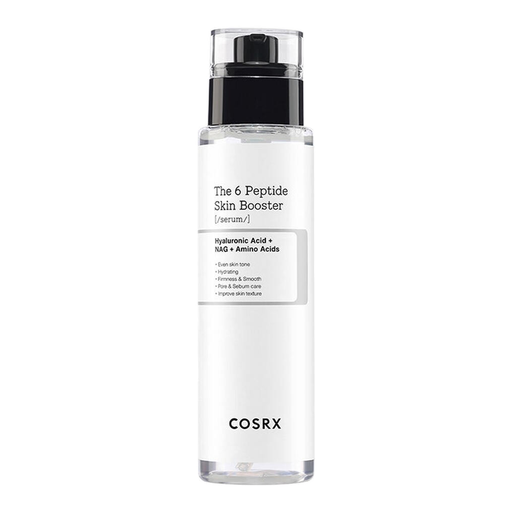
Why it suits this profile: Ideal if you are looking for a generous-sized booster with several supportive ingredients. The product information lists six types of peptide, niacinamide and sodium hyaluronate, and states that it can be used morning and evening.
The ingredients and volume are clearly stated, so you do not have to rely solely on terms such as “booster” or “firming”.
150 ml volume; six peptides according to the ingredients list; lightweight, non-sticky texture according to the product description.
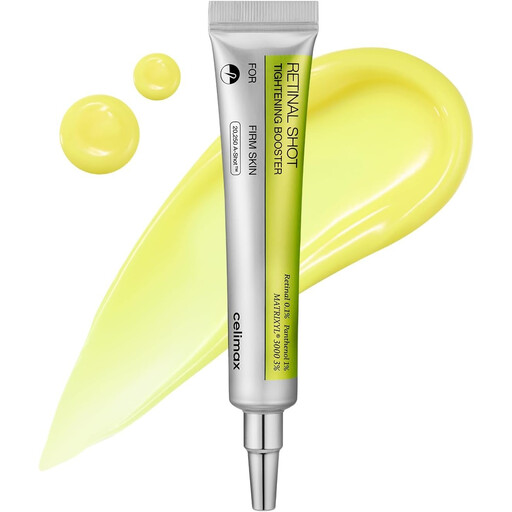
Why it suits this profile: For users who deliberately want to add a retinal product to their evening routine and are prepared to build up the frequency gradually.
The instructions advise starting every other evening, using a small amount and reducing the frequency if irritation occurs.
15 ml volume; 0.1% retinal and 3% Matrixyl 3000 according to the product information; intended for evening use only.
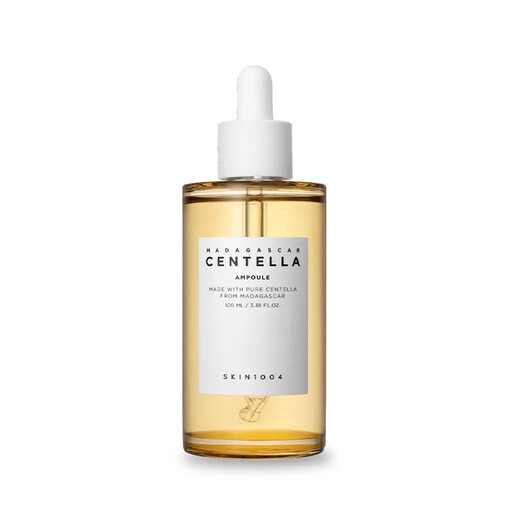
Why it suits this profile: A simple ampoule for anyone looking for a lightweight routine and a generous volume. The product description states that it contains 100% Centella Asiatica extract.
The formula is more straightforward than many multi-active serums. However, carry out a patch test, as even simple formulas can cause individual reactions.
100 ml volume; Centella Asiatica as the key ingredient; use two to three drops according to the product instructions.
We have put together a complete, up-to-date list of products that fully meet these strict selection criteria and the applicable European safety regulations.
If your main aim is hydration, you could start with a hyaluronic acid serum such as Torriden DIVE IN or Hyaluronic Acid Hydrating Serum. For dull skin, niacinamide, vitamin C and alpha-arbutin are logical ingredients to compare. A peptide serum is more suited to a routine focused on elasticity and a smoother-feeling complexion, although you should not expect medical effects from it.
That depends on the formula. A hydrating serum can often be used morning and evening according to the product instructions. It is best to introduce retinal, retinol and highly concentrated vitamin C gradually. Always follow the label and reduce use if irritation occurs.
Look for a fragrance-free formula with hydrating or soothing ingredients, such as panthenol, beta-glucan or Centella Asiatica. “Suitable for all skin types” is a product claim, not a guarantee for every user. A patch test is still advisable.
That depends on the formulas, but it is not necessary to use everything at once. Start with one active serum and only add a second later. It is best to use retinol or retinal in the evening and protect your skin from UV exposure during the day.
