
Vandaag of morgen in huis

Kwaliteit gegarandeerd

Welkomstaanbiedingen ontgrendelen: GRATIS bezorging | Tot 80% korting | Gratis 30 dagen JoyPlus-proefperiode
Download de app
Korean serums are popular thanks to their lightweight textures, high concentrations of active ingredients and wide range of options. However, attractive packaging or a term such as “glow” is no guarantee that a product will suit your skin. If you buy without comparing products, you can quickly end up with several serums that do the same thing, a formula that causes irritation or a product that deteriorates quickly after opening.
As a Joybuy Product Recommendation Officer, I filter the most important product information in a practical way. This helps you understand what to look for in a K-beauty serum and which options suit hydration, pigmentation, redness, blemish-prone skin or fine lines.
A serum with dozens of ingredients may sound impressive, but more is not automatically better suited to your skin. Start by looking at the key active ingredients and their order in the INCI list. Glycerine, panthenol, ceramides and hyaluronic acid, for example, are often used for hydration. Niacinamide, alpha-arbutin, tranexamic acid and vitamin C are commonly found in serums designed to promote a more even complexion.
Pay attention to combinations too. A vitamin C serum containing 23% ascorbic acid, such as COSRX Vitamin C23 Anti aging serum, requires more care than a gentle formula containing vitamin C derivatives.
Terms such as “anti-ageing”, “collagen boosting” or “dark spot correction” are product claims. A brand’s own research may associate these claims with certain results, but this information is not the same as a guarantee for every user. Instead, focus primarily on the concentration, texture, directions for use and warnings.
Daily sun protection is also important when dealing with pigmentation. A serum for dark spots is not a substitute for sunscreen.
Active ingredients can be sensitive to light, air and heat. COSRX Vitamin C23, for example, states that the product should be refrigerated and preferably used within two months of opening. A retinal or retinol serum should generally be introduced gradually and used only as directed on the packaging.
For sensitive skin, a patch test, low frequency of use and a fragrance-free formula are practical considerations. Stop using the product if irritation persists and consult a doctor or dermatologist if necessary.
Start by choosing one main goal:
A higher percentage can make a formula more intensive, but it may also make it less suitable for beginners. The ANUA NIACINAMIDE 10% + TXA 4% SERUM, for example, states that it contains 10% niacinamide and 4% tranexamic acid. These are verifiable product specifications, but your skin’s tolerance remains the deciding factor.
Beauty Of Joseon Glow Deep Serum Rich + Alpha Arbutin lists 2% alpha-arbutin, alongside rice bran water, niacinamide and panthenol. The product information positions this serum for dull skin and an uneven complexion.
A dropper bottle is convenient for dispensing a few drops, but do not let the dropper come into direct contact with your skin. Also check the volume: 15, 20, 30, 50 and 100 ml are all available. A mini size, such as the 15 ml iUNIK Tea Tree Relief Serum Miniature, is practical for travelling or for trying a formula first.
Usually apply a serum after cleansing and, if desired, toner. Follow with a moisturiser. In the morning, finish with sunscreen, especially when using vitamin C, retinal, retinol, acids or products aimed at pigmentation.
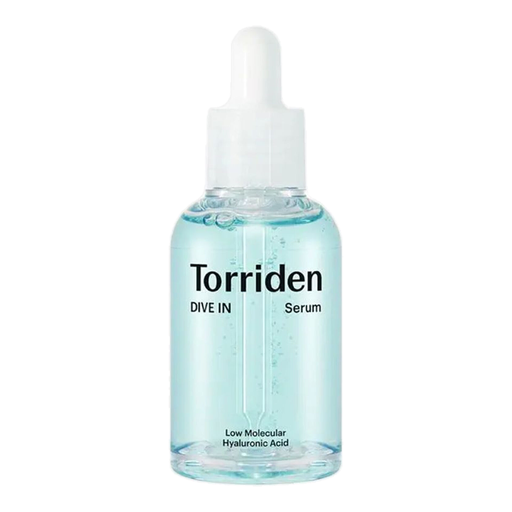
Why it suits this profile: A hydrating serum with five types of hyaluronic acid, panthenol and ceramide NP. The fragrance-free formula is straightforward for anyone starting out with Korean skincare.
The main focus is clear: adding moisture. This means you do not need to combine several strong active ingredients straight away.
50 ml volume, fragrance-free and suitable for use in the morning and evening according to the product information.
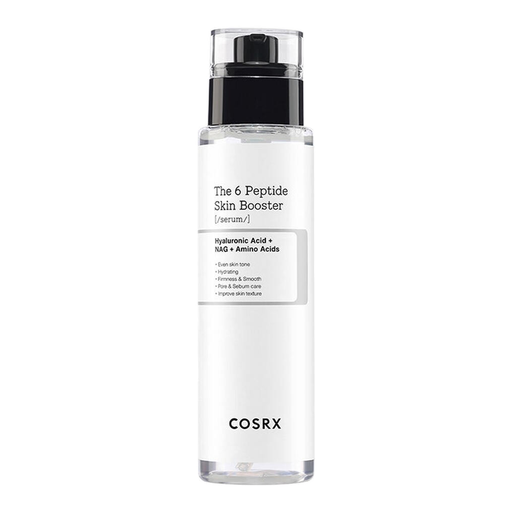
Why it suits this profile: A large-size formula with six types of peptides, niacinamide, sodium hyaluronate and amino acids. Suitable for anyone looking for a versatile foundation for their routine.
The ingredients and volume are clearly stated. However, check whether a booster texture works with your existing toner and moisturiser.
150 ml volume and a formula that leaves no sticky residue, according to the product description.
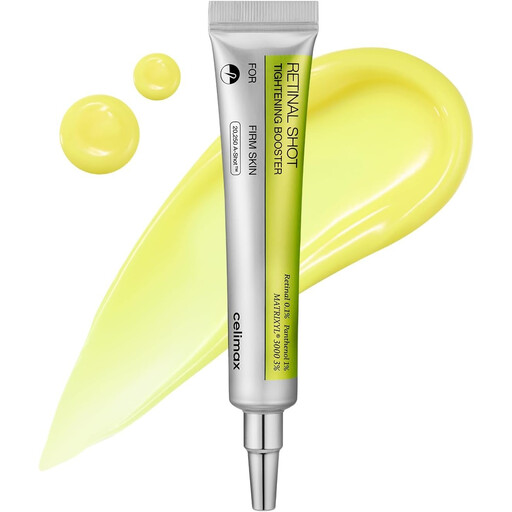
Why it suits this profile: According to the product information, this serum contains 0.1% retinal and is intended for night-time use. It is suited to users who want to introduce a vitamin A ingredient into their routine consciously.
The packaging provides a gradual introduction schedule: start every other evening and use the product less often or apply a smaller amount if irritation occurs.
0.1% retinal, 3% Matrixyl 3000 according to the product details, in a 15 ml size.
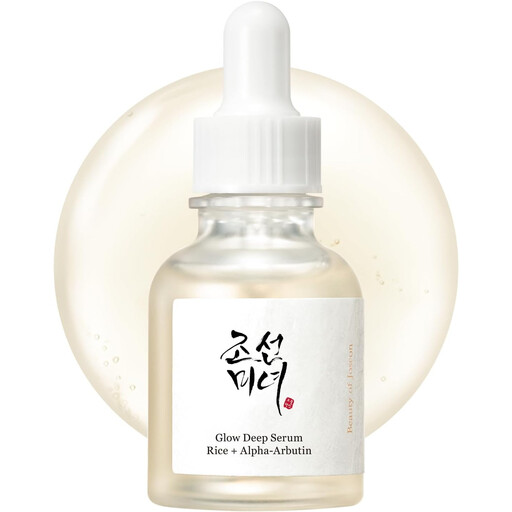
Why it suits this profile: The formula lists 2% alpha-arbutin, rice bran water, niacinamide and panthenol. This suits anyone looking to combine brightening and hydration.
The product description names the active ingredients and recommends evening use. Do not combine it with several other pigmentation serums without a plan.
30 ml, fragrance-free and alcohol-free according to the listed product specifications.
We have put together a complete, up-to-date list of products that fully meet these strict selection criteria and the applicable European safety regulations.
A niacinamide serum and hyaluronic acid serum are often easier to combine than several exfoliating or vitamin A products. With a serum for sensitive skin, a patch test is still advisable. Always check the current ingredients list on the packaging before purchasing, as formulas can change.
That depends on the formula. According to the product information, a hydrating serum can often be used in the morning and evening. Start by using active products such as retinal, retinol, azelaic acid or high-strength vitamin C serum less frequently. Follow the packaging instructions and only increase use if your skin remains calm.
Look for the PAO symbol, such as 6M or 12M, and the expiry date on the packaging. Formulas that are sensitive to light and oxygen may come with additional storage advice. COSRX Vitamin C23, for example, states that it should be used within two months of opening and stored in the fridge. The packaging of the product purchased remains the definitive source of information.
Sometimes, but it is not always necessary. For example, combine a simple hydrating serum with a moisturiser. Take more care when combining vitamin C, retinal, retinol, acids and several serums for pigmentation. Introduce products one at a time so that you can see how your skin reacts.
