
Vandaag of morgen in huis

Kwaliteit gegarandeerd

Welkomstaanbiedingen ontgrendelen: GRATIS bezorging | Tot 80% korting | Gratis 30 dagen JoyPlus-proefperiode
Download de app
A facial serum can be a targeted step in your routine, but there is a huge range of Korean skincare to choose from. If you rely solely on words such as “glow”, “lifting” or “intensive recovery”, you risk buying a product that is not suited to your skin or existing routine.
The most common pitfalls:
A hydrating serum often contains humectants such as glycerine, panthenol, beta-glucan or hyaluronic acid. These ingredients help retain moisture on the surface of the skin. A hyaluronic acid serum is particularly suitable if your skin feels tight or dry, but seal it in with a moisturiser to maintain comfort for longer.
For an uneven complexion, many consumers look for a serum for pigmentation. Niacinamide, tranexamic acid, alpha-arbutin and vitamin C are often found in these product formulas. This does not mean that a cosmetic product is guaranteed to reduce pigmentation. According to the manufacturer's product description, these ingredients are intended to make the skin look more even or brighter.
A percentage does not tell you everything about the overall formula. According to the product information, the Vitamin C23 Anti aging serum contains 23% ascorbic acid and should be stored in the fridge; after opening, use within two months is recommended. This requires more care than a serum that can be stored unopened in a bathroom cabinet.
The celimax The Vita-A Retinal Shot Tightening Booster lists 0.1% retinal and is intended for evening use. The instructions recommend starting every other evening. Do not automatically use retinoids at the same time as strong vitamin C formulas or other intensive active ingredients.
Oily or blemish-prone skin may benefit from a lightweight, non-sticky texture. Dry or sensitive skin often benefits more from a formula containing panthenol, ceramides, beta-glucan or hyaluronic acid. These are not guarantees of a particular result, but they are useful, verifiable points to look for in the ingredients list.
When choosing a serum for sensitive skin, patch testing and gradually building up use are sensible precautions. Stop using it if you experience persistent redness, itching, swelling or a burning sensation. Do not apply serum to damaged skin and avoid contact with the eyes. During the day, broad-spectrum sun protection is important, particularly with formulas containing vitamin C, retinol, retinal or exfoliating ingredients.
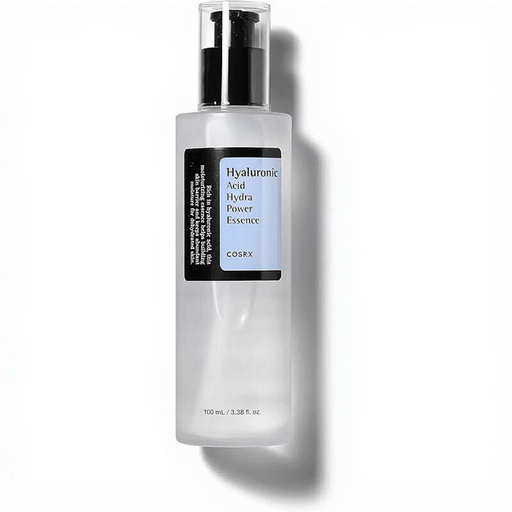
Why it suits this profile: The straightforward formula with sodium hyaluronate, panthenol and allantoin is easy to understand for anyone just starting out with a facial serum.
The product information lists a short ingredients list and recommends using 2–3 drops, making it easy to measure out.
100 ml; suitable for use in the morning and evening according to the product description.
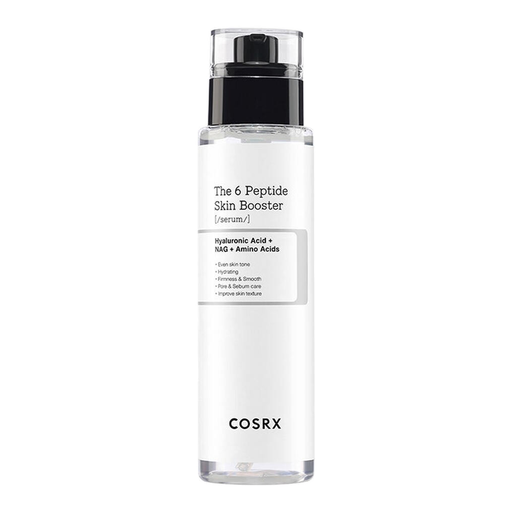
Why it suits this profile: Anyone looking for a multifunctional Korean skincare step gets a generous 150 ml booster containing six named peptides.
The six peptides and additional humectants are listed in the ingredients list, so the choice is not based solely on a marketing name.
150 ml; contains niacinamide, sodium hyaluronate and allantoin, among other ingredients.
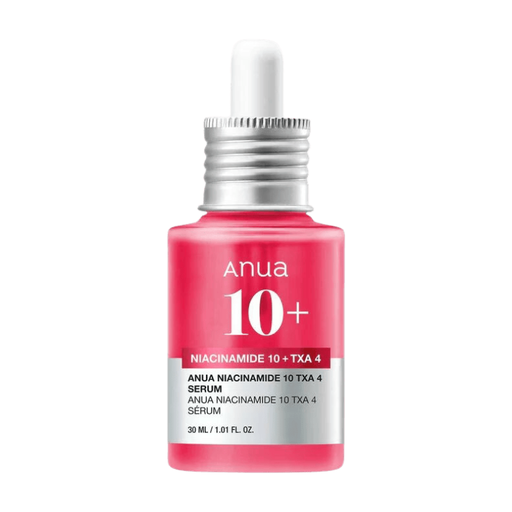
Why it suits this profile: Designed for users specifically looking for a serum for pigmentation, post-acne marks or an uneven complexion.
The product information specifies 10% niacinamide and 4% tranexamic acid, rather than making only a general glow promise.
30 ml; also contains alpha-arbutin, several forms of hyaluronic acid and ceramide.
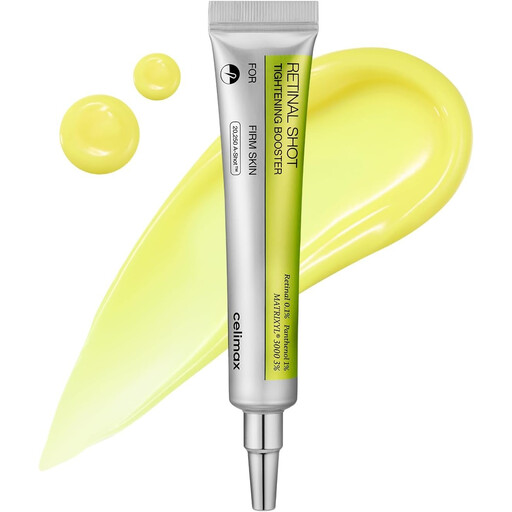
Why it suits this profile: Anyone who regularly uses an evening routine and is specifically looking for a retinal or anti-ageing serum can take the low concentration and gradual introduction instructions into account when choosing.
The instructions recommend starting every other evening and using only a small amount of product. This helps prevent over-application.
According to the product information, contains 0.1% retinal and 3% Matrixyl 3000; use sun protection during the day.
A serum for redness or a serum for sensitive skin requires extra care. First test a small amount on a limited area of skin and gradually build up the frequency of use. If you are pregnant, take medication or have persistent skin concerns, it is advisable to ask a doctor or pharmacist for advice, particularly when using retinol or retinal.
We have compiled a complete, up-to-date list of products that fully meet these strict selection criteria and the applicable European safety regulations.
Look for a hyaluronic acid serum, beta-glucan serum or formula containing glycerine, panthenol and ceramides. A lightweight essence can feel pleasant, but follow it with a moisturiser to help retain moisture.
For some routines, this may be too intensive. Preferably use them at different times and introduce one active ingredient at a time. When using a high concentration of vitamin C or retinal, follow the product warning. Sun protection during the day remains important.
This varies from formula to formula. Check the expiry date and the period-after-opening symbol on the packaging. Some vitamin C serums have additional storage advice, such as refrigeration and use within a specified period. In general, keep serum tightly closed, cool and out of direct sunlight.
