
Vandaag of morgen in huis

Kwaliteit gegarandeerd

Welkomstaanbiedingen ontgrendelen: GRATIS bezorging | Tot 80% korting | Gratis 30 dagen JoyPlus-proefperiode
Download de app
Korean serums are popular for their lightweight textures, extensive ingredient lists and targeted formulas. However, a pretty package or a long list of active ingredients doesn’t guarantee that a serum will suit your skin. Buying without careful selection often leaves you with several half-used bottles, a tight feeling or irritation from too many active ingredients at once.
As a Joybuy Product Recommendation Officer, I filter product information by verifiable points: ingredients, concentrations, volume, usage advice and warnings. This way, you can compare a hydrating serum, vitamin C serum, niacinamide serum or retinol serum in a practical manner.
A serum with 10%, 15% or more of an active ingredient may seem powerful. However, for sensitive skin, a high concentration of niacinamide, azelaic acid or vitamin A can be less comfortable. So don’t just look at the percentage — also consider the frequency of use, additional ingredients and any warnings.
A vitamin C serum, a serum for dark spots and a retinol serum can each have a different place in your routine. If you use several intensive formulas at once, it becomes difficult to work out which product is causing a reaction. It’s better to start with one new serum and build up your routine gradually.
Words like “glow”, “firming” and “deep hydration” describe a desired effect or product positioning. They are not a personal guarantee. According to a brand’s own research, certain visible results may have been observed, but that information doesn’t automatically apply to every user. So check the ingredient list and follow the safety information on the packaging.
Choose the ingredient that matches your main skin concern:
A watery formula can feel nice under sunscreen and make-up, while a richer ampoule is better suited to a dry skin routine. Also pay attention to the volume: 9 ml is good for trying a formula on a trial basis, whereas 30 ml or 55 ml is more practical for daily use.
Also check whether the product is suitable for morning, evening or both. With vitamin A ingredients, the usage advice is especially important. Some products recommend using it every other evening for the first few weeks.
A product description may say “for all skin types”, but that doesn’t replace a personal assessment. If you have sensitive skin, do a patch test first. Do not use a serum on damaged or irritated skin, and stop if you experience persistent redness, itching or a stinging sensation. Avoid contact with the eyes.
For retinol and retinal, the product information advises sun protection. For pregnant women and those who are breastfeeding, some retinol products carry a specific warning. Always follow the packaging and, if in doubt, ask a doctor for advice.
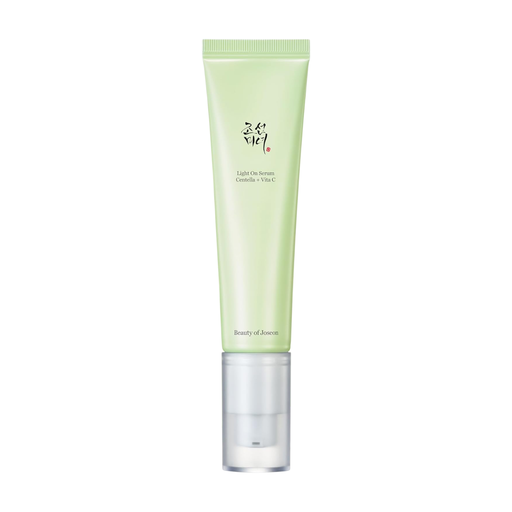
Why this suits the profile: The 30 ml formula combines 3-O-Ethyl Ascorbic Acid, centella, glycerine and hydrolysed hyaluronic acid. This makes it a straightforward choice for anyone looking for a lightweight formula for hydration and a more even-looking complexion.
The ingredient list is verifiable and the usage instructions are simple: apply after cleansing, in the morning and evening.
30 ml volume; lightweight texture; contains glycerine, centella and hyaluronic acid.
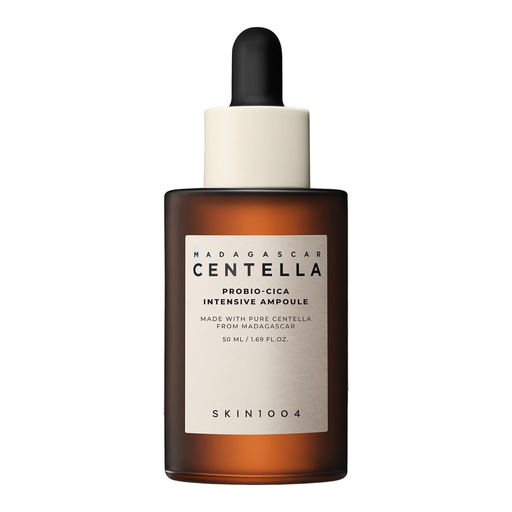
Why this suits the profile: This ampoule contains, among other things, niacinamide, panthenol, ceramide NP, sodium hyaluronate and centella extract. The 50 ml volume suits shoppers who want a comprehensive, hydrating, barrier-focused routine.
The formulation doesn’t rely on a single marketing ingredient, but lists multiple hydrating and barrier-supporting substances.
50 ml; ceramide NP and panthenol; according to the product information, dermatologically tested and non-comedogenic.
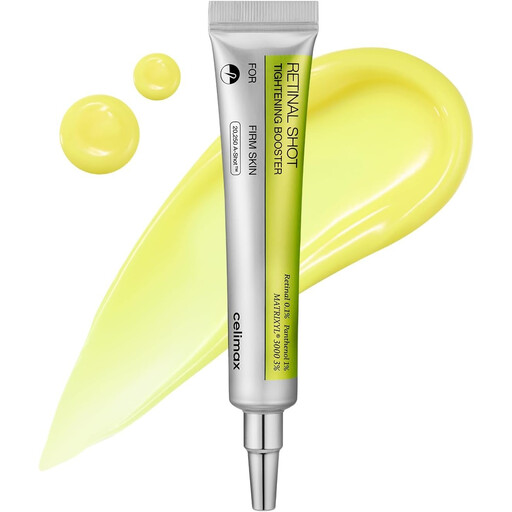
Why this suits the profile: According to the product description, this product contains 0.1% retinal and 3% Matrixyl 3000. It is designed for users who consciously want to add a vitamin A formula to their evening routine.
The label states a specific concentration and clear build-up instructions: start every other evening, use a small amount and apply sunscreen during the day.
0.1% retinal; 15 ml; suitable for a gradual evening routine according to the product advice.
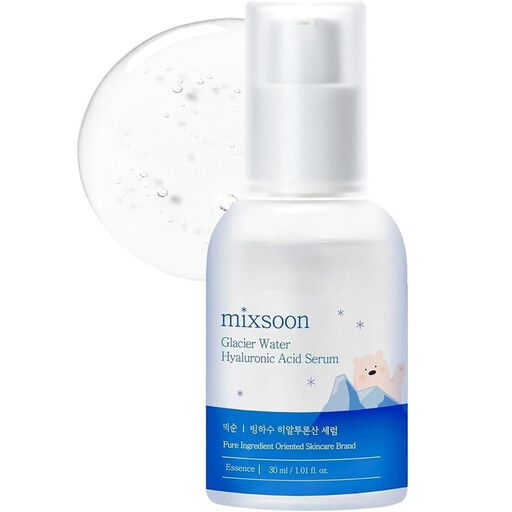
Why this suits the profile: The short ingredient list with water, glacier water, butylene glycol and sodium hyaluronate is easy to understand. That suits anyone who is mainly looking for a simple hydrating serum.
There are few active ingredients to combine at once, so the routine stays simple and easy to manage.
30 ml; short ingredient list; suitable for use in the morning and evening according to the product information.
We’ve put together a full, up-to-date list of products that fully meet these strict selection criteria and comply with current European safety regulations.
First, cleanse your face and apply toner if you use one. Then apply a few drops of serum and finish with a moisturiser. During the day, sunscreen should be your last step. Introduce one new product at a time, especially if you have sensitive skin.
That depends on the volume and how much you use each time. A 30 ml bottle typically lasts longer with daily use than a 9 ml ampoule. Check the expiry date and the period after opening on the packaging. Store the serum according to the instructions, usually in a cool, dry place away from direct sunlight.
Look for a formula with niacinamide, tranexamic acid, vitamin C derivatives, alpha-arbutin or azelaic acid. Don’t use several strong formulas at once, and combine a serum for dark spots with daily sun protection. The visible outcome varies from skin to skin and is not guaranteed.
