
Vandaag of morgen in huis

Kwaliteit gegarandeerd

Welkomstaanbiedingen ontgrendelen: GRATIS bezorging | Tot 80% korting | Gratis 30 dagen JoyPlus-proefperiode
Download de app
A facial serum can be a useful extra step between cleansing and moisturising. However, it is not wise to choose one based solely on eye-catching packaging, a high percentage or a promise of “glow”. Korean serums vary considerably in formulation. A hydrating serum for dry skin requires a different approach from a serum for pigmentation or a product for acne-prone skin.
The right choice therefore starts with your skin’s needs, the active ingredients and the directions for use.
A vitamin C serum containing 23% ascorbic acid sounds powerful, but it may be too intense for sensitive skin. A niacinamide serum with 10% is not necessary for everyone either. Higher concentrations can increase the likelihood of tightness, redness or irritation.
So do not look only at the percentage. Consider the rest of the ingredients list and the recommended usage schedule too.
A serum may be described as suitable for all skin types, but your skin could still react to ingredients such as retinal, fragrance, exfoliating agents or a combination of several actives. If you have sensitive or acne-prone skin, check whether the formula contains ingredients you have previously reacted badly to.
A patch test on a small area of skin is a sensible precaution. Stop using the product if irritation persists, and seek medical advice in the event of severe symptoms.
According to a brand’s own research, ingredients such as peptides, propolis, centella or PDRN may help the skin look smoother, more even or firmer. This does not guarantee the same result for every user. Assess a product based on verifiable information instead: size, ingredients, texture, usage frequency and warnings.
Also pay attention to shelf life. Some vitamin C formulas recommend refrigerated storage and specify a limited period of use after opening.
According to the product information, the ANUA Azelaic Acid formula contains 10% azelaic acid and recommends starting once or twice a week. The SKIN1004 Azelaic Acid 10 Ampoule also lists 10% azelaic acid and recommends gradually building up use to allow the skin to adjust.
For a high-concentration vitamin C serum such as Vitamin C23, a patch test is recommended. The product information also advises storing it in the fridge and using it within two months of opening to help preserve the active ingredients.
A 15 ml bottle may be sufficient if you use it sparingly in the evening, while a 150 ml booster is more practical for daily use across the whole face. A pump bottle can help limit contact with air and fingers; a dropper requires careful and hygienic use.
Also consider the texture:
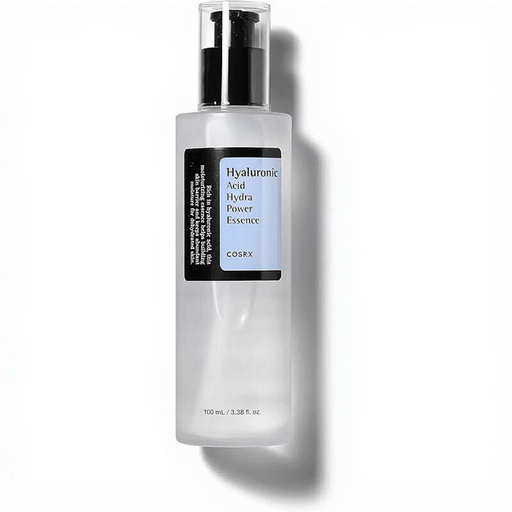
Why it suits this profile: A straightforward choice if you are trying a hydrating serum for the first time. The formula contains sodium hyaluronate, panthenol and allantoin, and comes in a 100 ml size.
The product information lists a short ingredients list, so you introduce fewer different active ingredients at the same time.
100 ml size; designed to hydrate; suitable for morning and evening use according to the product information.
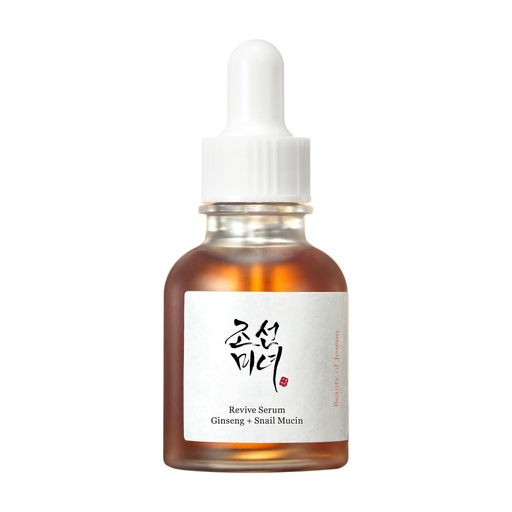
Why it suits this profile: Ideal if you want to combine hydration and a comfortable gel feel with ingredients such as ginseng, niacinamide, Centella Asiatica and hyaluronic acid.
The product details specify 30 ml, a gel texture and a pump bottle, allowing you to compare the packaging and formula in concrete terms.
30 ml; pump packaging; product information states that it is alcohol-free and paraben-free.
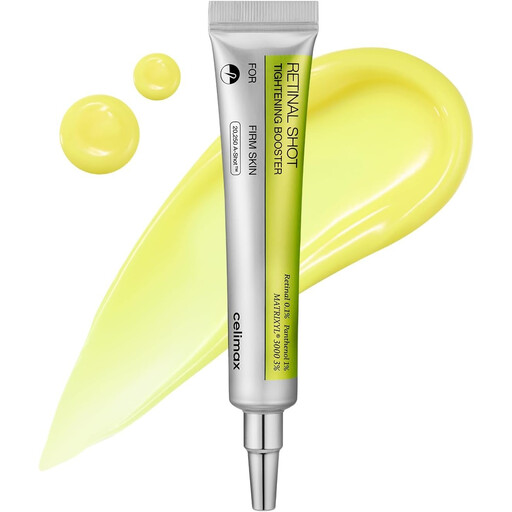
Why it suits this profile: Designed for users who specifically want to add retinal to their evening routine to target skin texture and fine lines.
The product information provides clear instructions for building up use: start every other evening, use a small amount and apply sunscreen during the day.
According to the product details, contains 0,1% retinal and 3% Matrixyl 3000; compact 15 ml size.
Do not immediately combine a vitamin C serum, exfoliant, retinal and a serum with a high concentration of niacinamide. Introduce one new product at a time. This makes it easier to assess which products suit your skin.
We have put together a complete, up-to-date list of products that fully meet these strict selection criteria and the applicable European safety regulations.
Look for a hydrating serum containing hyaluronic acid, glycerine, panthenol, beta-glucan or ceramides. Applying a richer moisturiser on top can help lock in moisture more effectively. A Centella serum may be suitable if you also want to keep your routine simple.
You can, but build up gradually. For example, start by combining a hydrating serum with a moisturiser. Then add an active product, such as a niacinamide serum, azelaic acid serum or vitamin C serum. Ideally, do not use retinal and retinol at the same time as several other strong actives.
This depends on the size and dosage. A 30 ml bottle used daily at a few drops per application will generally last longer than a product applied generously across the whole face. Always check the expiry date and the period-after-opening symbol on the packaging. Store vitamin C formulas according to the brand’s instructions, for example in a cool place and away from direct sunlight.
