
Vandaag of morgen in huis

Kwaliteit gegarandeerd

Welkomstaanbiedingen ontgrendelen: GRATIS bezorging | Tot 80% korting | Gratis 30 dagen JoyPlus-proefperiode
Download de app
Korean serums are popular because they often target one specific skin concern, such as dryness, a dull complexion, redness or visible pigmentation. However, attractive packaging or a long ingredients list does not guarantee that a facial serum is right for your skin. The right choice starts with the formula, the concentration of active ingredients and how you use the product.
A serum with 10% niacinamide, 10% azelaic acid or 23% vitamin C may sound appealing, but a strong formula can cause stinging or dryness more quickly. This is particularly important with a serum for sensitive skin, where building up gradually is key. Start with a small amount and do not use the product every day straight away if the packaging recommends introducing it gradually.
Words such as “glow”, “firming” and “anti-ageing” often describe the desired cosmetic effect. According to a brand’s own research, certain ingredients may improve the appearance of the skin, but this is not a guarantee for every individual. So look for verifiable information, such as the ingredients list, volume, directions for use and warnings.
A serum for pigmentation may contain ingredients that help the skin tone appear more even, but pigmentation does not automatically disappear. Daily sun protection remains important, particularly with serums containing vitamin C, retinal or azelaic acid.
Combining a vitamin C serum with retinal, exfoliating acids and a strong niacinamide serum can make your routine unnecessarily complicated. This makes it harder to tell which product suits you and which does not. Start by choosing one main goal and add new products one at a time.
A serum containing a popular ingredient may still be less pleasant to use if its texture does not fit your routine. Look out for:
Always check the ingredients list on the packaging. Product information may change, and the official packaging takes precedence.
Usually apply a serum after cleansing and, if desired, toner, followed by a moisturiser. Wear sunscreen during the day when advised in the product information. Carry out a patch test before using a new formula. Stop using it if you experience persistent redness, swelling, itching or a burning sensation, and seek advice from a doctor or pharmacist if necessary.
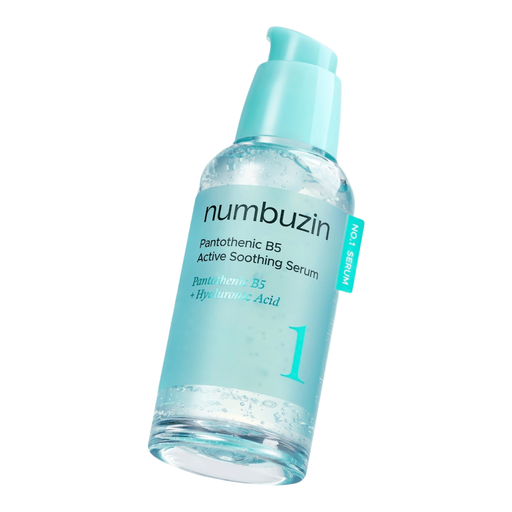
Why it suits this profile: The 50 ml formula combines niacinamide, panthenol, pantothenic acid, glycerine and several forms of hyaluronic acid. This makes it a practical option for anyone wanting to try one hydrating serum without buying several products straight away.
The ingredients list shows several moisturising ingredients alongside active ingredients. The directions recommend applying it after cleansing, both morning and evening, followed by a moisturiser.
50 ml volume; panthenol, glycerine and several forms of hyaluronic acid in the formula.
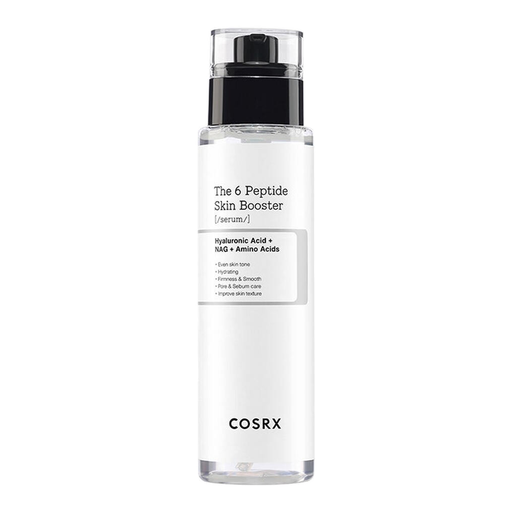
Why it suits this profile: The bottle contains 150 ml and the formula includes six types of peptides, niacinamide, glycerine and hyaluronic acid. This suits users looking for a generous booster to complement an extensive Korean skincare routine.
The product information states that it has a lightweight, non-sticky texture and clearly positions it after toner. This makes it easier to combine with a moisturiser.
150 ml volume; six peptides and hydrating ingredients in one booster formula.
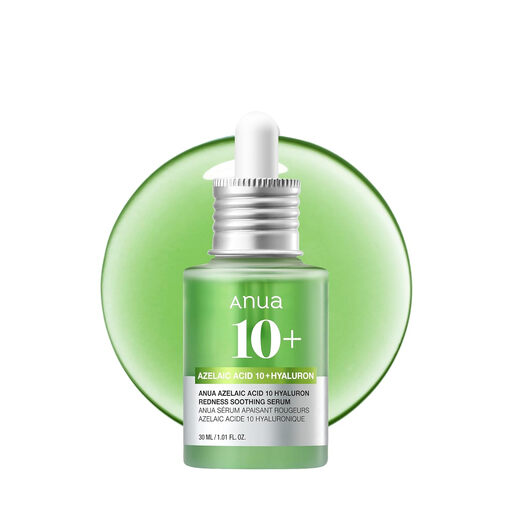
Why it suits this profile: This serum contains 10% azelaic acid, panthenol, betaine, niacinamide and hyaluronic acid. It is intended for users who want to target redness or an uneven complexion and are prepared to build up usage carefully.
The manufacturer explicitly states that you should start with 1 to 2 drops, once or twice a week. It also recommends keeping the skin sufficiently hydrated and wearing sunscreen during the day.
10% azelaic acid; also contains panthenol, allantoin, ceramide NP and sodium hyaluronate.
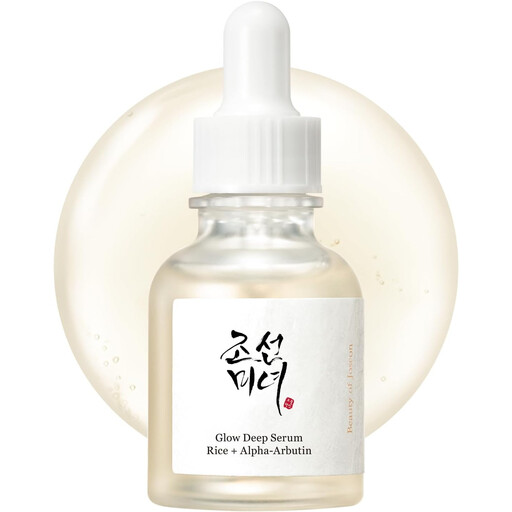
Why it suits this profile: The formula contains 68.6% rice bran water, 2% alpha-arbutin, niacinamide and panthenol. This makes it a good match for anyone looking for a lightweight serum for pigmentation and a dull complexion.
The ingredients and percentages are clearly stated. The recommended application is straightforward: apply a few drops to clean skin, followed by moisturiser.
30 ml volume; 2% alpha-arbutin and rice bran water in a fragrance-free formula, according to the product information.
We have compiled a complete, up-to-date list of products that fully meet these strict selection criteria and the applicable European safety regulations.
Choose a hydrating serum with ingredients such as glycerine, panthenol, beta-glucan or hyaluronic acid. Follow with a moisturiser to help retain moisture more comfortably. A serum for dry skin does not have to feel heavy or greasy; focus primarily on the texture and the rest of your routine.
This depends on the formula, but it is not necessary to apply both at the same time. If you have sensitive skin, it may be better to use them at different times. Introduce new products separately so that you can more easily identify any irritation or dryness.
Shelf life varies from product to product. Check the expiry date and the open-jar symbol indicating the period after opening on the packaging. Serums containing unstable vitamin C may come with additional storage advice. For example, Vitamin C23 recommends refrigerated storage and use within two months of opening to help preserve the active ingredients.
