
Vandaag of morgen in huis

Kwaliteit gegarandeerd

Welkomstaanbiedingen ontgrendelen: GRATIS bezorging | Tot 80% korting | Gratis 30 dagen JoyPlus-proefperiode
Download de app
Korean serums are popular for their lightweight textures, short ingredient lists and targeted formulas. However, a pretty package or a striking claim is no guarantee that a Korean face serum will suit your skin. If you focus only on marketing, you can easily end up buying a serum that is too strong, too heavy, or simply unnecessary alongside the rest of your routine.
This guide helps you compare Korean serums based on verifiable product information: ingredients, volume, usage advice and suitability for different skin needs.
A formula with, say, 10% niacinamide or 4% tranexamic acid sounds impressive, but a higher percentage isn’t automatically better for every skin type. For sensitive or reactive skin, a simple formula with panthenol, centella or hyaluronic acid may be a wiser choice.
So don’t just look at the percentage – check the full ingredient list. Watch out for potential irritants such as alcohol, fragrance, essential oils, retinol or exfoliating acids.
Words like “glow”, “firming” and “barrier repair” often describe the desired effect or product positioning. They don’t predict how your skin will actually respond. According to a brand’s own research, improvements in hydration or radiance may be reported, but such claims are no guarantee for every user.
Remember, a serum is a cosmetic product. An acne serum or a serum for dark spots does not replace medical treatment or professional advice. For persistent skin concerns, seek appropriate professional guidance.
Combining a vitamin C serum with retinol, salicylic acid and multiple exfoliants can make your routine unnecessarily complicated. Start with one new product and use only a small amount first. A patch test on a small area of skin is wise, especially if you have sensitive skin or known allergies.
A watery ampoule usually absorbs quickly and works well under sunscreen or make-up. A gel serum can offer a bit more comfort for dry skin. An oily formula isn’t necessarily unsuitable for combination skin, but it may feel heavier.
Also compare the volume. Many serums contain 30 ml, while some products offer 55, 100, 150 or even 300 ml. A larger bottle can be handy for daily use, but check the shelf life and the recommended period after opening.
Apply a serum usually after cleansing and, if you use one, a toner. Then follow with a moisturiser. During the day, sunscreen should be the last step. Always check the label for exact instructions.
For products containing retinol, vitamin C, AHA-type ingredients or salicylic acid, the safety warnings are especially important. Stop if you experience a burning sensation, itching, swelling or noticeable redness. Avoid contact with the eyes and do not use on broken skin.
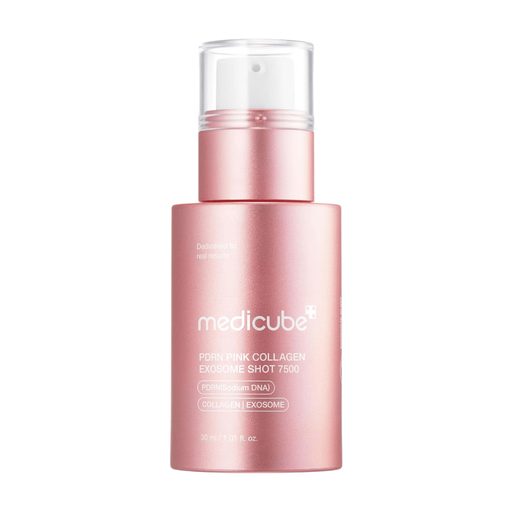
Why this fits the profile: For users who consciously want to combine several active ingredients and read the usage warnings carefully.
The product information lists retinol and advises daily sunscreen use; this makes it clear that it is not a completely neutral beginner formula.
30 ml; contains niacinamide, panthenol, retinol, adenosine and multiple forms of hyaluronic acid.
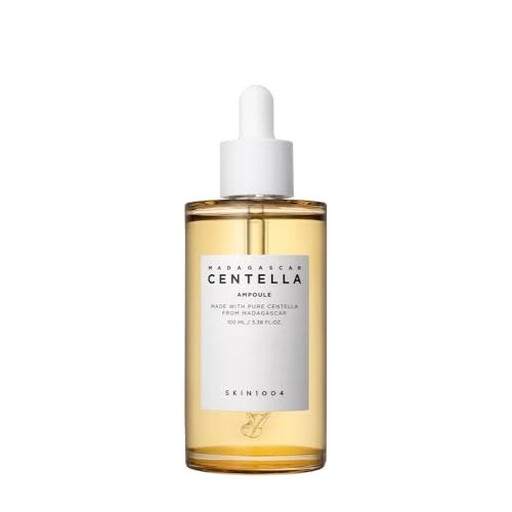
Why this fits the profile: The simple positioning as a centella ampoule suits anyone looking for a calming, lightweight step without a long list of active ingredients.
According to the product description, the ampoule consists of centella asiatica extract and has a watery, non-sticky texture.
55 ml; lightweight texture; centella asiatica as the central ingredient; suitable for use after cleansing.
We’ve put together a full, up-to-date list of products that fully meet these strict selection criteria and comply with current European safety regulations.
Cleanse your face and, if you use one, apply toner. Then put a few drops of serum onto skin that is still slightly damp and gently pat it in. Finish with a moisturiser. During the day, use sunscreen as the last step in your skincare routine.
That depends on the volume and how much you use each time. A 30 ml bottle used daily will usually run out faster than a 55 ml or 100 ml bottle. Check the symbol on the packaging for the period after opening, often indicated as, for example, 12M. Store the serum in a cool, dry place away from direct sunlight.
Yes, but don’t combine multiple strong active ingredients straight away. Hyaluronic acid, glycerin and panthenol are generally easy to combine with other hydrating steps. Be more cautious with retinol, vitamin C, salicylic acid and exfoliating acids. Introduce one product at a time and follow the warnings on the label.
