
Vandaag of morgen in huis

Kwaliteit gegarandeerd

Welkomstaanbiedingen ontgrendelen: GRATIS bezorging | Tot 80% korting | Gratis 30 dagen JoyPlus-proefperiode
Download de app
A Korean skincare serum can be a valuable step between toner and moisturiser, but there’s a lot to choose from. Are you looking for a face serum, a hydrating serum or a serum for dark spots? You’re likely to come across plenty of marketing terms such as ‘glow’, ‘glass skin’ and ‘anti-ageing’. These words don’t tell you much without clear information about ingredients, concentrations and how to use the product.
The main pitfalls when choosing Korean serums:
A serum’s name often gives you a good idea of what it’s for:
A higher percentage isn’t automatically a better choice. If you have sensitive skin, a simpler serum for sensitive skin with a light texture and few potential irritants may be more practical.
Don’t just look at the main ingredient. Also check for:
Ingredients can change, so always compare the information on the packaging with the online product page. Products such as the ANUA Azelaic Acid 10 Hyaluron Redness Soothing Serum also state that dryness or pilling may occur due to the 10% azelaic acid.
A serum in a pump bottle limits contact with air and fingers. A dropper can be handy for measuring out a precise amount, but it’s best not to let it touch your skin. Store Korean skincare products in a cool, dry place away from direct sunlight, and close the packaging after use.
It’s best to introduce a new serum gradually. Apply a small amount to a limited area of skin and build up use if your skin responds well. Stop using it if you experience persistent redness, itching, swelling or a burning sensation. During the day, use a broad-spectrum sunscreen, particularly with formulas containing vitamin C, kojic acid, exfoliating ingredients or ingredients that product information says may increase sensitivity to sunlight.
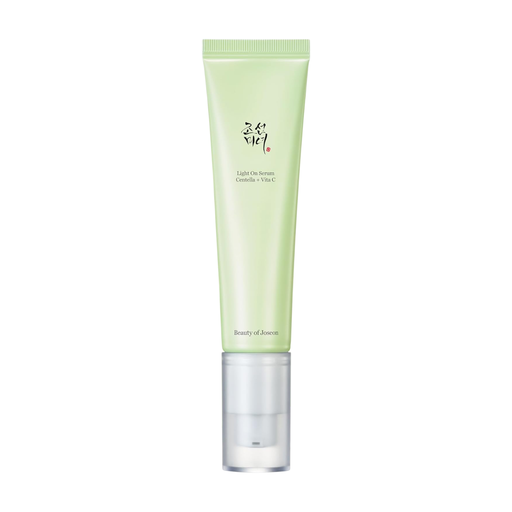
Why it suits this profile: The lightweight formula combines 3-O-Ethyl Ascorbic Acid, centella asiatica, glycerine and hyaluronic acid. It’s an accessible choice if you want to combine hydration with a fresher-looking complexion.
The product information names specific ingredients and says it can be used in the morning and evening, rather than relying on a vague glow claim.
30 ml; centella asiatica, glycerine and sodium hyaluronate; lightweight texture; listed as fragrance- and essential oil-free in the product information.
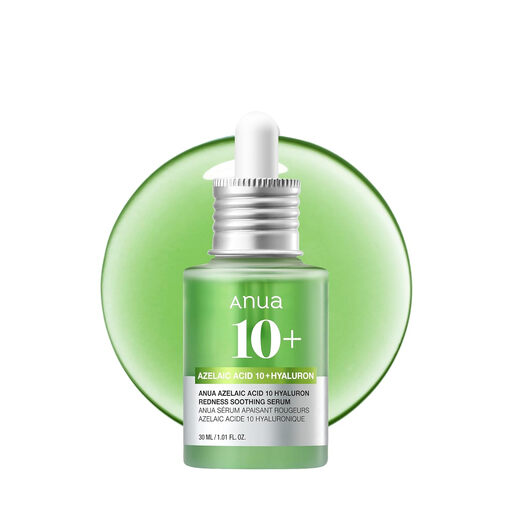
Why it suits this profile: This serum is designed for users who want to add azelaic acid to a routine for redness, uneven skin tone and hydration, and are happy to build up use gradually.
The instructions recommend starting with 1 to 2 drops, once or twice a week. This helps you avoid overusing a formula with active ingredients.
10% azelaic acid; panthenol, glycerine, allantoin and sodium hyaluronate; 30 ml; clear advice on patch testing and daily sun protection.
We’ve put together a complete, up-to-date list of products that meet these strict selection criteria and current European safety requirements.
A practical order to follow is:
When using a serum for pigmentation or dark spots, patience and consistent use matter more than applying lots of product. Some brands report that results may be visible after a few weeks, based on their own research, but this varies from person to person and isn’t guaranteed.
Choose a formula with a short, easy-to-understand ingredients list, and initially avoid using several powerful active ingredients. A serum with centella asiatica, panthenol, glycerine or hyaluronic acid may suit skin that needs hydration and comfort. Always test it on a small area of skin first.
You can in some routines, but it depends on the overall formula and how your skin reacts. It’s best to start with one active serum per routine. For example, use vitamin C in the morning and niacinamide at another time, or gradually introduce the combination.
It depends on the size and how much you use. A 30 ml bottle will generally run out sooner than a 150 ml product when used daily. Follow the recommended amount, check the shelf-life information on the packaging and store the serum away from direct sunlight.
