
Vandaag of morgen in huis

Kwaliteit gegarandeerd

Welkomstaanbiedingen ontgrendelen: GRATIS bezorging | Tot 80% korting | Gratis 30 dagen JoyPlus-proefperiode
Download de app
Korean serums are hugely popular thanks to their lightweight textures, active ingredients and wide variety. However, a striking package or a promise like “glass skin” doesn’t guarantee the product will suit your skin. If you’re looking for a K-beauty serum, it’s worth comparing your skin goal, the ingredients list and the usage instructions before you buy.
A product with a high percentage of vitamin C, niacinamide or another active ingredient sounds appealing. But how well it works also depends on the form of the ingredient used, the complete formula, the packaging and your skin’s tolerance. According to the product descriptions of some brands, certain ingredients are intended to help even out your complexion, but this isn’t a guaranteed result for every user.
A serum may say it’s suitable for all skin types on the packaging, but dry skin has different priorities to oily or sensitive skin. A rich serum can feel lovely when your skin feels tight, but it might not be as comfortable under make-up. A watery formula, on the other hand, can work well for combination skin, but you may need a separate moisturiser alongside it.
Combining a vitamin C serum, an exfoliating serum and a serum for redness can make your routine unnecessarily complicated. If you have sensitive skin, it’s much wiser to introduce one new product at a time. Also, check for warnings about acids, retinol, fragrance and potential allergens.
Choose your ingredient based on your main need:
Pay attention to the full ingredients list. A formula might be fragrance-free, for example, but still contain ingredients your skin doesn’t tolerate well.
A hydrating serum with a watery or gel-like texture usually absorbs quickly and sits well under a moisturiser or sunscreen. An oily or richer formula can be better for dry skin, but it’s not always comfortable for oily skin.
Apply a serum after cleansing and, if you use one, after toner. Use a small amount, let it sink in briefly, then finish with a moisturiser. During the day, a broad-spectrum sunscreen is essential if your routine includes vitamin C, retinol or exfoliating ingredients.
Don’t just compare the price – also look at the size: 20, 30, 50, 100 or 150 ml makes a big difference to the cost per use. A dropper helps with dosing, while a pump bottle exposes the product to air and fingers less often. Store your serum according to the label, away from direct sunlight and with the lid tightly closed. The expiry date and period-after-opening information are on the packaging.
If you have sensitive skin, a patch test is a good idea. Stop using the product if you experience persistent redness, itching, swelling or a burning sensation. A serum is a cosmetic product, not a treatment for a medical skin condition.
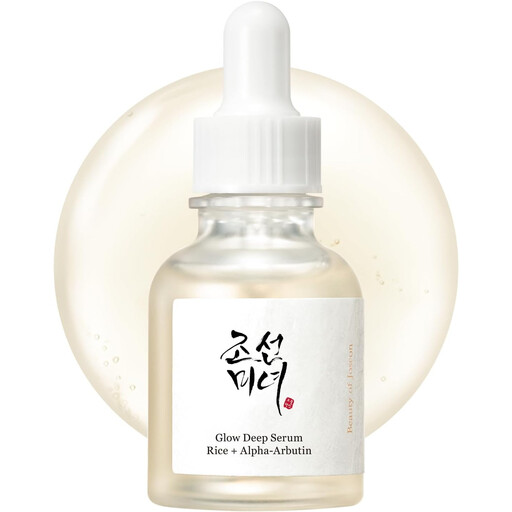
Why this fits the profile: A straightforward choice if you want to start with one serum focused on hydration and a dull-looking complexion. The bottle contains 30 ml and the product description mentions a fragrance-free, alcohol-free formula.
The ingredients list includes 2% alpha-arbutin, niacinamide and rice bran water. This lets you assess the formula more concretely than relying on a general glow promise alone.
30 ml; lightweight, hydrating formula; according to the product information, vegan and fragrance-free.
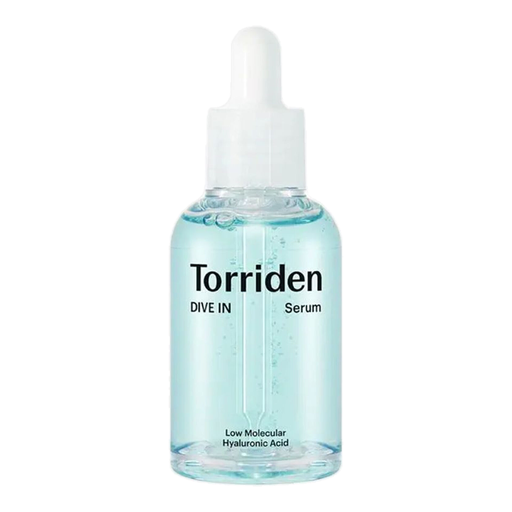
Why this fits the profile: Ideal for users who are mainly looking for a hydrating serum and want to layer several moisture products, for example during a dry winter.
The formula lists five types of hyaluronic acid, plus panthenol, ceramide NP and beta-glucan. The product description states the serum is fragrance-free and vegan; always check the current label.
50 ml; multiple forms of hyaluronic acid; according to the product information, suitable for sensitive skin and all skin types.
We’ve put together a full, up-to-date list of products that fully meet these strict selection criteria and comply with current European safety regulations.
First, cleanse your face and apply toner if you use one. Then apply a few drops of serum to your skin. Gently press the product in and finish with a moisturiser. Use sun protection during the day, especially if your routine includes vitamin C, retinol or exfoliating ingredients.
The exact shelf life is on the packaging. Check the expiry date and the period after opening. Store the bottle in a cool, dry place away from direct sunlight. A change in smell, colour or texture could be a reason to stop using the product.
Look for a short ingredients list and initially avoid fragrance, strong acids and several new active ingredients at once. A serum for redness containing, for example, panthenol, centella asiatica or beta-glucan can fit into a calming routine, but introduce each product gradually and do a patch test first.
