
Vandaag of morgen in huis

Kwaliteit gegarandeerd

Welkomstaanbiedingen ontgrendelen: GRATIS bezorging | Tot 80% korting | Gratis 30 dagen JoyPlus-proefperiode
Download de app
Korean serums, essences and ampoules vary widely in texture, ingredients and purpose. So a product with eye-catching packaging or a promise of a “glow” won’t necessarily suit your skin. Comparing products carefully can help you avoid disappointing purchases and choose more easily between a hydrating serum, centella serum, niacinamide serum or brightening serum.
A serum packed with active ingredients might look appealing, but more ingredients don’t automatically make a formula more suitable. Start by checking what the product is designed to do, then read the full ingredients list. A serum for sensitive skin, for example, might have a simple formula containing panthenol, glycerin or centella asiatica. A serum for dark spots might contain ingredients such as alpha-arbutin, niacinamide, tranexamic acid or vitamin C derivatives.
Check the concentration too, if it’s listed. For example, Beauty of Joseon Glow Deep Serum is described as containing 2% alpha-arbutin, alongside rice bran water and niacinamide. This is verifiable product information, not a guarantee that dark spots will disappear for everyone.
A general skin type claim doesn’t tell you how your skin will respond to a product. Dry skin often benefits from humectants such as glycerin, panthenol or hyaluronic acid. Oily or combination skin may be better suited to a light, watery texture. If you have sensitive skin, introduce products gradually and avoid using several new active products at once.
Read brand claims about soothing, brightening or firming as product positioning. According to the manufacturer’s own information, Beauty of Joseon Calming Serum contains green tea water, panthenol and mugwort extract to care for and hydrate the skin as part of your routine. Whether it’s suitable for you depends on your skin and how you use it.
A 100 or 150 ml bottle might seem cheaper per millilitre, but first consider how often you’ll use it and whether the formula fits into your routine. A facial ampoule might be suitable for daily use, while a concentrated product containing spicules, azelaic acid or several active ingredients may be better introduced gradually. Always check the expiry information and the period after opening on the packaging.
A serum is usually lighter than a cream. Apply it after cleansing and, if you use one, toner, but before moisturiser. An essence is often thinner and can be used as a hydrating step between cleansing and moisturising. A facial ampoule may have a similar texture, but is often positioned as a more concentrated treatment.
Compare:
A higher percentage isn’t automatically better. A serum with 10% niacinamide, 10% azelaic acid or a formula containing spicules calls for extra care as you build up use and monitor your skin’s response. Start by using new active products sparingly, and test a small amount on a less visible area.
If you experience irritation, burning, itching or swelling, stop using the product. According to the product information, products containing acids or vitamin C derivatives may require extra care with sun protection. Apply a suitable sunscreen during the day.
Check the net volume, ingredients, instructions, warnings and manufacturer details. A 30 ml product is compact and handy for trying out; 50 or 100 ml may be better for everyday use. Also check the closure and how hygienically the product can be applied: if it comes with a pipette, try not to touch your skin with the dropper.
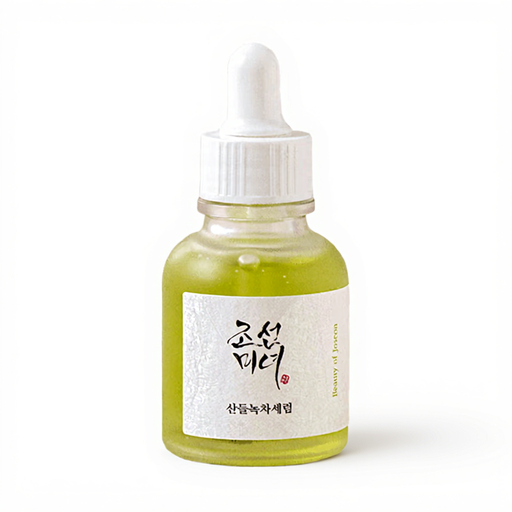
Why it suits this profile: A straightforward choice if you’re looking for a lightweight serum with a hydrating, caring approach. The product information says it’s fragrance-free.
The product description lists specific ingredients and clear instructions to use 2 to 3 drops. This makes it easier to assess the formula and dosage, rather than relying on a general promise of a glow.
30 ml; green tea water, panthenol and centella asiatica in the ingredients list; according to the product information, vegan, alcohol-free and fragrance-free.
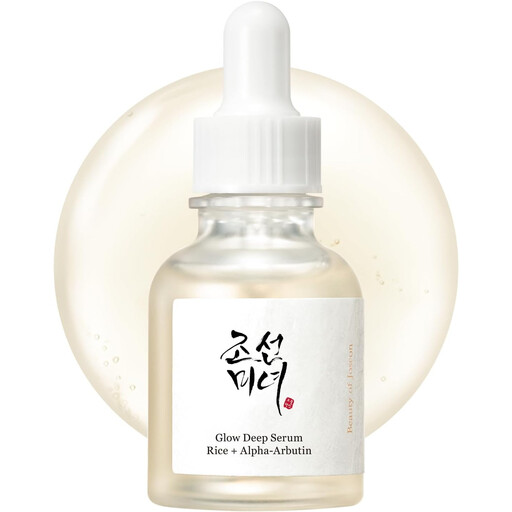
Why it suits this profile: A good fit if you’re looking for a K-beauty serum specifically formulated for dull-looking skin and an uneven complexion.
The ingredients list specifies 2% alpha-arbutin and 68,6% rice bran water. This lets you compare the formula more closely, rather than relying solely on the term “brightening serum”.
30 ml; alpha-arbutin, niacinamide, panthenol and rice bran water; according to the product information, vegan, fragrance-free and alcohol-free.
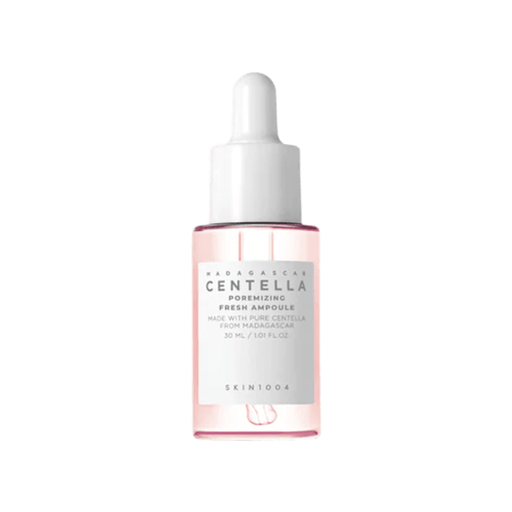
Why it suits this profile: A sensible option if you’re looking for a lightweight ampoule for oily or combination skin and want to focus on pores and skin texture.
The watery texture and listed ingredients make it easier to assess the formula. Claims about minimising pores are cosmetic product claims, not a guaranteed result.
30 ml; centella asiatica, panthenol and several forms of hyaluronic acid; lightweight formula according to the product description.
We’ve put together a complete, up-to-date list of products that meet these strict selection criteria and current European safety regulations.
Cleanse your face and use toner if you like. Then apply a few drops of serum to your face and neck, without rubbing hard. Finish with a moisturiser. Apply sunscreen during the day if recommended in the product information.
It depends on the size, dosage and how often you use it. With daily use, a 30 ml bottle will generally provide fewer applications than a 50 or 100 ml ampoule. Check the expiry date and period after opening on the packaging. Store the product in a cool, dry place away from direct sunlight.
You can, but introduce new products one at a time. Don’t combine several strong active ingredients straight away, such as acids, azelaic acid, vitamin C derivatives or spicule formulas. Start by using them less frequently, and stop if irritation persists.
