
Vandaag of morgen in huis

Kwaliteit gegarandeerd

Welkomstaanbiedingen ontgrendelen: GRATIS bezorging | Tot 80% korting | Gratis 30 dagen JoyPlus-proefperiode
Download de app
Korean serums are popular for their lightweight textures, targeted ingredients and multi-step skincare routines. However, it is easy to spend money on a product that does not match your skin type or expectations. For example, a serum for pigmentation is not automatically suitable for sensitive skin, while a hydrating serum may not do enough for oily skin with visible pores.
As a Joybuy Product Recommendation Officer, I focus mainly on verifiable information: the ingredients list, directions for use, packaging and how well the product matches your skincare goal. Marketing claims can be useful as an indication, but they are not a guarantee of a particular result.
A high-percentage niacinamide serum may sound appealing, but more is not always more practical. Skin tolerance varies from person to person. If your skin is prone to tightness, redness or discomfort, it is better to start with a milder formula and avoid using several active serums at the same time.
This description usually means that the product is intended for a broad range of users. It does not tell you how the formula feels on dry, oily or sensitive skin. Pay attention to the texture, fragrances, alcohol and active ingredients. A serum for sensitive skin should ideally contain as few potential irritants as possible, but always check the full ingredients list.
According to a brand’s own research, certain products may improve hydration, complexion or the visibility of pores. This is brand information, not a fixed guarantee for every user. A cosmetic serum also does not change the biological structure of the skin. Look at the ingredients and choose a realistic goal, such as more comfortable-feeling skin or a more even-looking complexion.
Start by choosing your main goal:
Pay attention to where an ingredient appears in the list. Ingredients listed higher up are generally present in larger amounts, although the exact concentration is not always stated.
A watery or gel-like formula is often easy to combine with toner, moisturiser and sun cream. A richer serum may feel more comfortable on dry skin, but can feel heavier on oily skin. A pump bottle limits contact with air and fingers; a dropper makes measuring easy, but requires careful closing and storage.
Check whether perfume or essential oils appear in the ingredients list. For example, the MEDICUBE PDRN Pink Peptide Serum contains fragrance. This does not necessarily pose a problem, but it is relevant information if you have sensitive skin.
Products containing retinol require extra care. The MEDICUBE PDRN Pink Exosome Shot Serum 7500 contains retinol. According to the product information, retinol may increase sensitivity to sunlight. Use sun cream during the day and follow the warnings on the packaging. If you are pregnant or breastfeeding, the product information advises considering use only after consulting a healthcare professional.
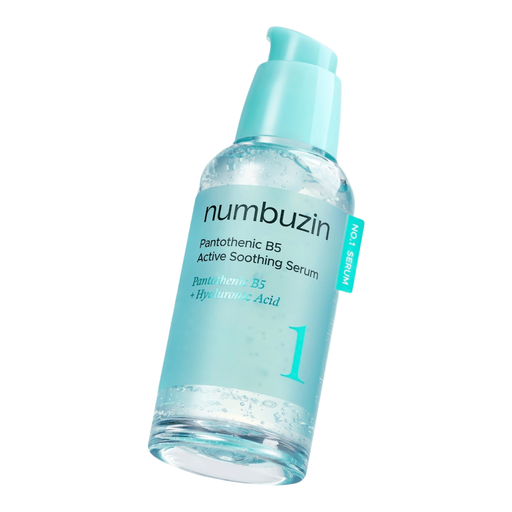
Why it suits this profile: The 50 ml bottle combines panthenol, pantothenic acid, glycerine, beta-glucan and several forms of hyaluronic acid. This makes it a straightforward choice for anyone looking to add hydration and skin comfort to their routine.
The product information describes a lightweight, fast-absorbing texture and provides clear warnings about irritation. An extremely high active percentage is not used as its main selling point.
50 ml capacity; panthenol, glycerine, niacinamide and hyaluronic acid in the ingredients list; suitable for morning and evening use according to the product information.
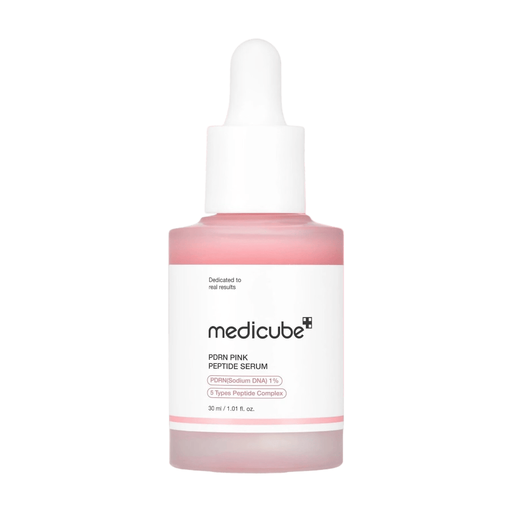
Why it suits this profile: This formula is designed for a skincare routine featuring peptides, collagen, niacinamide and sodium hyaluronate. It is well suited to users looking for several skincare benefits in one serum.
The ingredients list and warning state that the product contains fragrance. This allows shoppers to decide in advance whether it suits their preferences and how their skin reacts.
30 ml capacity; contains hydrolyzed collagen, copper tripeptide-1 and several peptides; the product information recommends a patch test for sensitive skin.
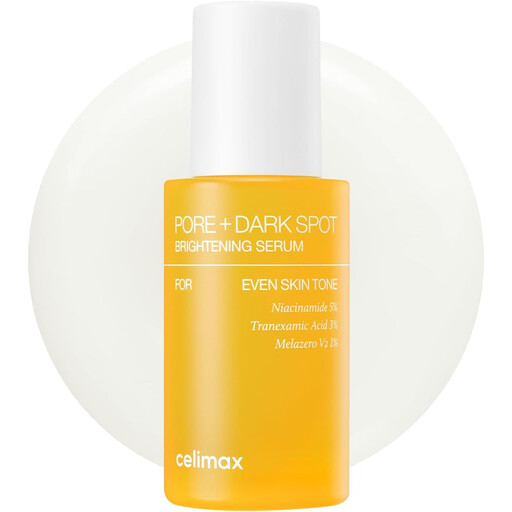
Why it suits this profile: This serum targets visible pores, an uneven complexion and hydration. The product description states that it contains 5% niacinamide, 3% tranexamic acid and 1% Melazero V2, with a lightweight gel texture.
The percentages of the key ingredients are clearly stated in the product information. The formula is also described as fragrance-free, which is relevant for sensitive skin.
5% niacinamide and 3% tranexamic acid; vegan hyaluronic acid according to the product description; pump packaging and a fast-absorbing gel texture.
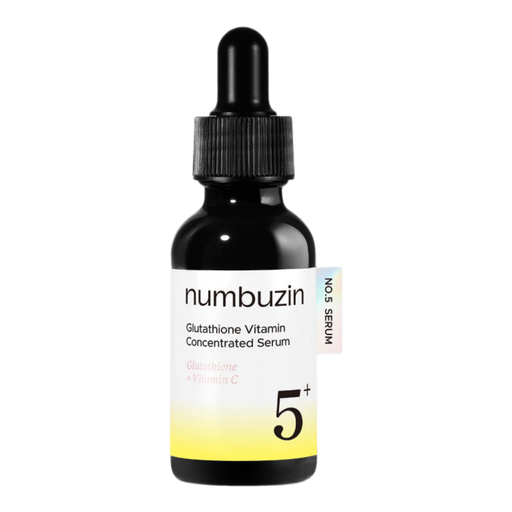
Why it suits this profile: The formula combines niacinamide, tranexamic acid, 3-O-ethyl ascorbic acid, alpha-arbutin and ascorbic acid. It is suitable for anyone who wants to combine a vitamin C serum with skincare for a more even-looking complexion.
The product information lists specific ingredients rather than making only a general glow promise. Daytime use alongside sun cream is clearly stated.
30 ml capacity; several forms of vitamin C; also contains ceramide NP, panthenol and sodium hyaluronate.
We have put together a complete, up-to-date list of products that fully meet these strict selection criteria and the applicable European safety regulations.
When introducing a new product, it is best to try it on a small area of skin for a few days first. Stop using it if you experience persistent redness, itching, swelling or a burning sensation. Do not use serum on damaged skin and avoid contact with the eyes.
Look for a short, straightforward ingredients list and ingredients such as panthenol, glycerine, allantoin or beta-glucan. If in doubt, avoid perfume and introduce one new product at a time. A patch test can help you assess your personal tolerance in advance.
This is often possible as part of a simple routine, but everyone’s skin reacts differently. Do not start several concentrated formulas at the same time. Hydrating ingredients such as glycerine and hyaluronic acid are generally easier to combine than several highly active products.
This depends on the capacity and the amount used each time. A 30 ml bottle may run out more quickly with daily use than a 50 or 55 ml pack. Check the expiry information on the packaging, store the product away from direct sunlight and close a dropper or pump bottle securely after use.
