
Vandaag of morgen in huis

Kwaliteit gegarandeerd

Welkomstaanbiedingen ontgrendelen: GRATIS bezorging | Tot 80% korting | Gratis 30 dagen JoyPlus-proefperiode
Download de app
Korean serums are popular thanks to their lightweight textures, concise ingredient lists and targeted formulas. However, it is not wise to choose one based solely on eye-catching packaging or a promise such as “glow”. A serum for pigmentation, for example, is not automatically suitable for sensitive skin, while a hydrating serum can still feel heavy on oily skin.
With this practical guide, you can assess your skin’s needs, active ingredients, concentration and directions for use. This helps reduce the chance of making a disappointing purchase.
A vitamin C serum, niacinamide serum or serum containing tranexamic acid is often promoted with a high percentage. This does tell you something about the formula, but it does not automatically indicate how your skin will respond. A high concentration may cause stinging, redness or a dry feeling for some users.
For this reason, start with a small amount of active ingredients and do not use the product every day straight away. It is particularly sensible to build up gradually when using vitamin C, azelaic acid, retinol and exfoliating ingredients.
According to the product description, a hyaluronic acid serum primarily helps bind moisture to the skin. It does not always replace a cream that helps limit moisture loss. Apply a hydrating serum to slightly damp skin, then use a suitable moisturiser.
Also consider the texture. A gel serum is often comfortable for combination or oily skin, while a richer formula may be better suited to dry skin.
Brands may communicate their own product research and benefits, but you should not treat the results as guaranteed. According to a brand’s own research, a serum may, for example, contribute to a more even-looking complexion or firmer-looking skin. This does not mean that every user will see the same effect.
Instead, look at verifiable product information: ingredients, concentrations, volume, skin type, whether it contains fragrance and the official directions for use.
Start by choosing one main concern. Using several serums at the same time makes it more difficult to assess what your skin tolerates well.
Ingredients listed towards the end of the ingredients list are not necessarily useless, but the list does provide an indication of the formula. Always check the packaging, as formulas can change.
A 30 ml bottle is common for a concentrated serum. A 50 to 100 ml booster or ampoule may be more practical if you use the product daily on your face and neck.
Check the following when buying:
Apply a serum after cleansing and, if desired, toner, but before moisturiser. Use sunscreen during the day, especially when using a vitamin C serum, retinol or azelaic acid. This is not a substitute for medical advice, but it is a practical step in a normal skincare routine.
Test a new product on a small area of skin first. Stop using it if irritation persists and follow the manufacturer’s warnings.
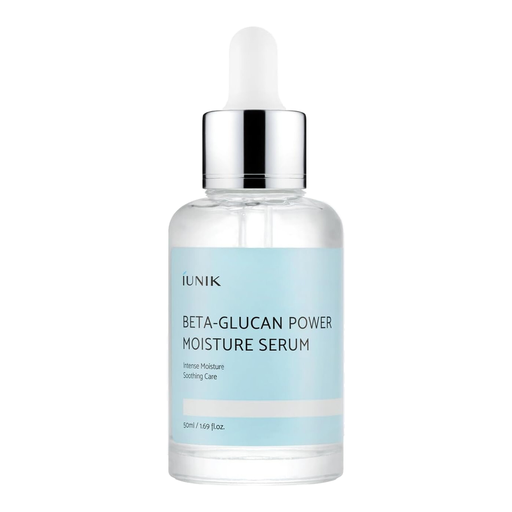
Why it suits this profile: A straightforward choice for anyone who mainly wants to add moisture without immediately combining several active ingredients. According to the product information, the formula contains 100% beta-glucan and comes in a 50 ml bottle.
The focus is on hydration rather than a long list of powerful actives. This makes it easier to monitor how your skin responds.
50 ml volume; designed to add moisture and absorb quickly.
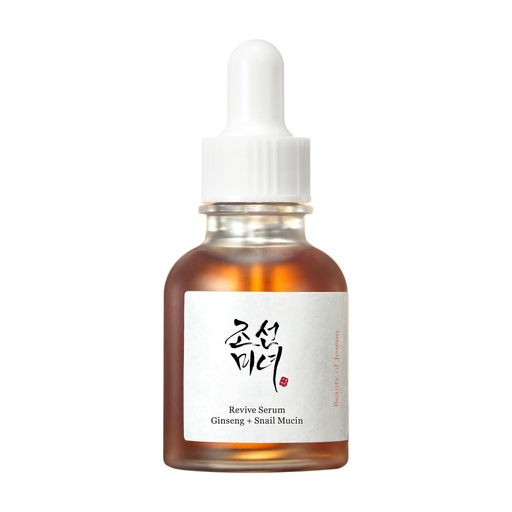
Why it suits this profile: According to the product description, the gel texture combines 3% snail mucin filtrate, ginseng root water, niacinamide and hyaluronic acid derivatives. This makes it suitable for dry, normal and combination skin.
The ingredients and intended skin type are clearly stated, so you do not have to rely solely on the term “firming”.
30 ml pump bottle; according to the product information, free from alcohol and parabens.
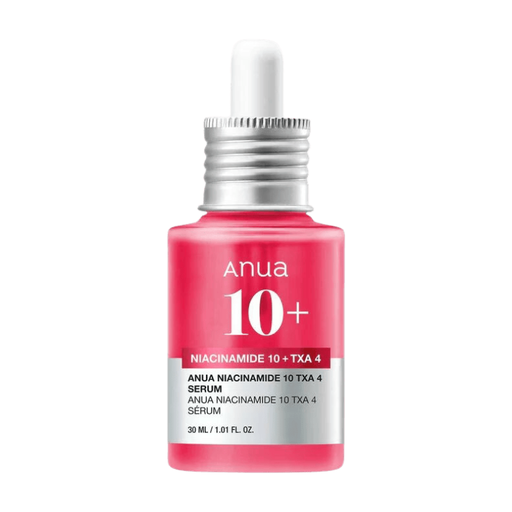
Why it suits this profile: This formula is designed for an uneven complexion and, according to the product information, contains 10% niacinamide and 4% tranexamic acid, supplemented with hyaluronic acid.
The concentrations are clearly stated. Even so, start with a small amount and use it infrequently if your skin is prone to sensitivity.
Fragrance-free and alcohol-free according to the product details; 30 ml pump bottle.
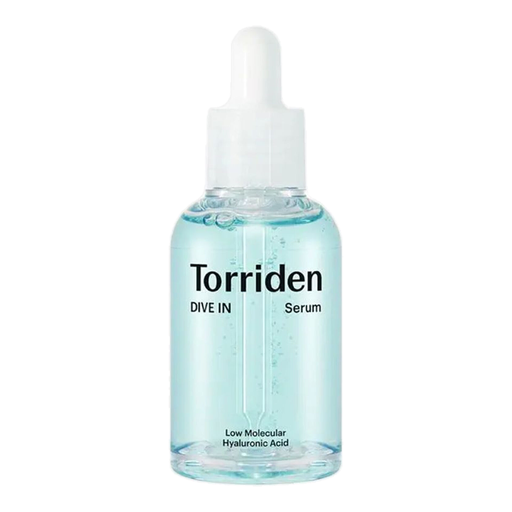
Why it suits this profile: According to the product description, this hyaluronic acid serum contains five types of hyaluronic acid, panthenol, ceramide NP and beta-glucan. The formula is fragrance-free and comes in a 50 ml bottle.
The product information highlights both hydrating and barrier-supporting ingredients rather than making only a general glow promise.
50 ml; fragrance-free and vegan according to the supplied product information.
We have compiled a complete, up-to-date list of products that fully meet these strict selection criteria and the applicable European safety regulations.
Look for a hydrating serum containing glycerine, beta-glucan, panthenol, ceramides or hyaluronic acid. A serum alone is not always enough; finish with a cream to help support skin comfort. The iUNIK and Torriden formulas are examples where hydration is the main focus.
You can in some routines, but it is not necessary to apply both at the same time. Start with one active product and only add the second once your skin is responding well consistently. If you have sensitive skin, alternating them at different times is often easier to manage. Use sun protection during the day according to the product instructions.
This varies from one formula to another. Check the symbol on the packaging, the use-by date and any instructions, such as refrigeration. A product containing vitamin C may be particularly sensitive to light, air and heat. Close the bottle immediately after use and store the serum as instructed by the manufacturer.
