
Vandaag of morgen in huis

Kwaliteit gegarandeerd

Welkomstaanbiedingen ontgrendelen: GRATIS bezorging | Tot 80% korting | Gratis 30 dagen JoyPlus-proefperiode
Download de app
Korean serums are popular for their lightweight textures, high concentrations of active ingredients and wide variety. However, an attractive bottle or a long ingredients list does not guarantee that a facial serum is right for your skin. If you buy without a plan, you can quickly end up with several half-used products that sting, feel sticky or serve the same purpose.
Pay particular attention to these three common pitfalls:
Decide what you want the serum to support. For dry skin, the focus is usually on a hydrating serum containing glycerin, panthenol, ceramides or hyaluronic acid. A hyaluronic acid serum can help bind water to the surface of the skin, but it is best to follow your routine with a cream.
Serums for a more even-looking complexion often contain niacinamide, vitamin C, tranexamic acid, azelaic acid or arbutin. A niacinamide serum, for example, may suit anyone looking to address an uneven skin tone or visible pores. Pay attention to the concentration, though: 10% or 15% may feel more intense for some users than a lower dosage.
If you are mainly looking for a serum for fine lines, peptides, bakuchiol, retinol or retinal are common options. These ingredients have different usage guidelines and are not all suitable for daily use from the first day.
The name on the front of the packaging does not always tell you enough. Check the full INCI list to make sure the ingredient you want is actually present.
A serum for pigmentation or a vitamin C serum may be sensitive to light, air and heat. Check the expiry date, batch number and period after opening. COSRX Vitamin C23, for example, states that the product should be refrigerated after opening and preferably used within two months.
Test a new serum on a small area of skin first. Stop using it if you experience persistent redness, swelling, itching or a burning sensation. Do not apply active serums to damaged or sunburnt skin, and avoid contact with the eyes. Product claims such as ‘hypoallergenic’, ‘dermatologically tested’ or ‘suitable for all skin types’ should be understood as information provided by the brand; individual skin reactions are still possible.
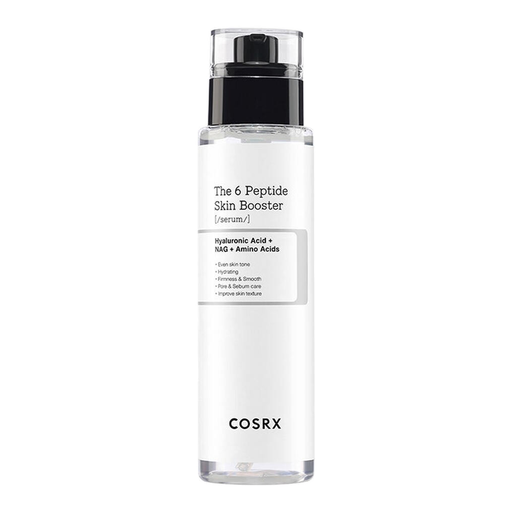
Why it suits this profile: The generous 150 ml size makes this a practical choice for anyone looking for a simple daily serum step without immediately buying several active products.
According to the product information, the formula is not focused on a single high percentage of vitamin C or retinol. It contains six types of peptides, niacinamide, glycerin and sodium hyaluronate.
150 ml; lightweight booster texture; suitable for use in the morning and evening according to the product description.
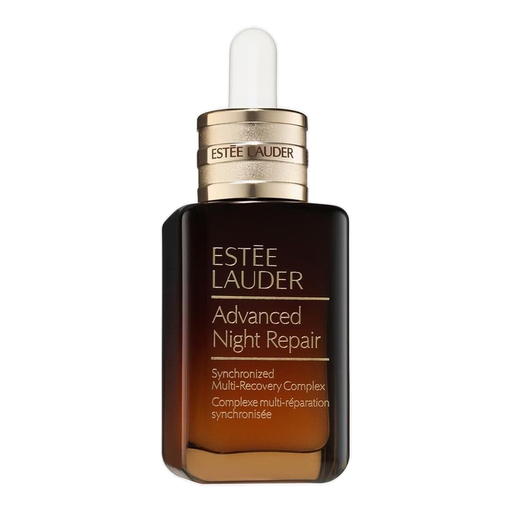
Why it suits this profile: This 30 ml serum is designed for anyone who values a well-known premium formula and a consistent morning and evening routine.
The product information mentions hyaluronic acid, a fragrance-free formula and use for all skin types. Always check the current packaging and INCI list.
Hyaluronic acid in the formula; suitable for the face and neck; a product positioned as hydrating and firming.
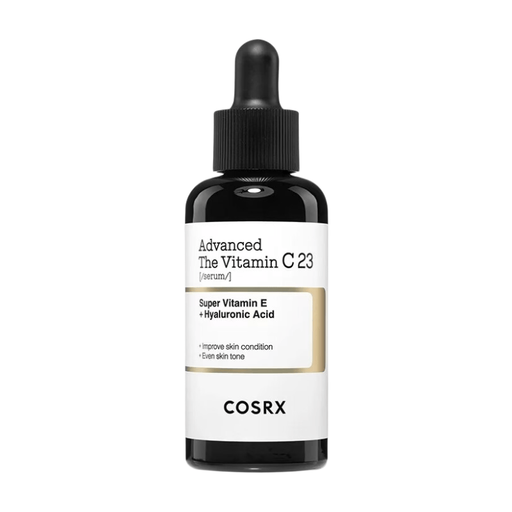
Why it suits this profile: This vitamin C serum is intended for users who deliberately choose a high concentration of pure ascorbic acid and are prepared to take storage and gradual introduction seriously.
The product information explicitly states 23% vitamin C, recommends a patch test and refrigeration, and advises using it within two months of opening. This makes the care requirements clear.
23% ascorbic acid; also contains panthenol, squalane and sodium hyaluronate; clear warning not to use it at the same time as retinol.

Why it suits this profile: The product description mentions a watery, non-sticky texture without fragrance or colourants, making it suitable for anyone who wants to keep their routine simple.
According to the product information, the formula combines vitamin C with niacinamide, allantoin and sea buckthorn extract, without fragrances or colourants.
30 ml; vegan formula according to the product description; lightweight texture with a hydrating positioning.
We have put together a complete, up-to-date list of products that fully meet these strict selection criteria and the applicable European safety regulations.
A serum for pigmentation is not a substitute for sunscreen. Claims about an anti-ageing serum, a serum for an even-looking complexion or a serum for fine lines should not be interpreted as medical promises. Do not expect immediate results; focus instead on whether the texture, ingredients and frequency of use suit your routine.
Look for glycerin, panthenol, ceramides, squalane and different forms of hyaluronic acid. A hydrating serum feels more comfortable when followed by a cream to help lock in moisture. At first, avoid using several strong active ingredients at the same time.
This may increase the risk of irritation, particularly if you have sensitive skin. It is better to use them at different times, for example vitamin C in the morning and retinol in the evening. Always follow the directions for the specific product and use sun protection during the day.
This depends on the size, dosage, frequency of use and shelf life after opening. A 30 ml bottle will generally last longer with daily use than a 9 ml ampoule. Always check the period-after-opening symbol, expiry date and any storage instructions.
