
Vandaag of morgen in huis

Kwaliteit gegarandeerd

Welkomstaanbiedingen ontgrendelen: GRATIS bezorging | Tot 80% korting | Gratis 30 dagen JoyPlus-proefperiode
Download de app
Korean serums are popular for their lightweight textures, active ingredients and wide range of options. However, eye-catching packaging or a promise of “glow” does not guarantee that a serum will suit your skin. Buying several products at once can also mean spending money on overlapping formulas or causing unnecessary irritation.
When comparing products, pay particular attention to three common pitfalls:
Start by choosing one main goal. A hyaluronic acid serum is generally suitable for dehydrated skin and can also form part of a routine for sensitive skin. A centella serum is often chosen for lightweight, soothing care. According to the brands’ product descriptions, formulas containing centella may help the skin feel more comfortable; this is not a medical effect or a guarantee of reduced redness.
For a serum for dark spots or a serum for a more even complexion, you may come across ingredients such as niacinamide, alpha-arbutin, tranexamic acid, vitamin C and azelaic acid. Their effects vary depending on the formula and your skin. So check the full ingredients list rather than relying only on the name on the front.
A thin, watery face serum is useful under a moisturiser and sunscreen. A gel-like formula may feel comfortable on oily skin, while a richer texture may be better suited to dry skin. Also consider the volume: a 9 ml bottle is suitable for cautiously trying out an active formula, while 50 to 100 ml may be more appealing for daily use.
Read the instructions. Products containing retinol, retinal, azelaic acid, vitamin C or salicylic acid often need to be introduced gradually. Start with a small amount and do not use several new active serums on the same day.
Check that the packaging states the ingredients, volume, shelf life and usage warnings. Cosmetic products sold in the EU must comply with the applicable European cosmetics regulations. That does not mean that every serum will suit every skin type.
Carry out a patch test on a small area of skin when trying a new product. Avoid contact with the eyes and do not apply serum to open or damaged skin. Stop using it if irritation persists and seek advice from a doctor or pharmacist if necessary. With retinol and some acids, daily broad-spectrum sunscreen is particularly important according to the product warnings.
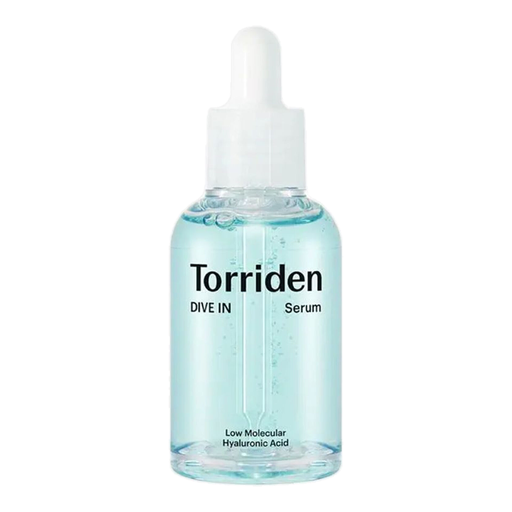
Why it suits this profile: Suitable for users looking for a hydrating serum with several moisture-binding ingredients and a fragrance-free routine.
The product description lists five forms of hyaluronic acid, as well as panthenol, ceramide NP and beta-glucan. Check the current packaging for the final formulation.
50 ml volume; fragrance-free according to the product information; suitable for daytime and evening use.
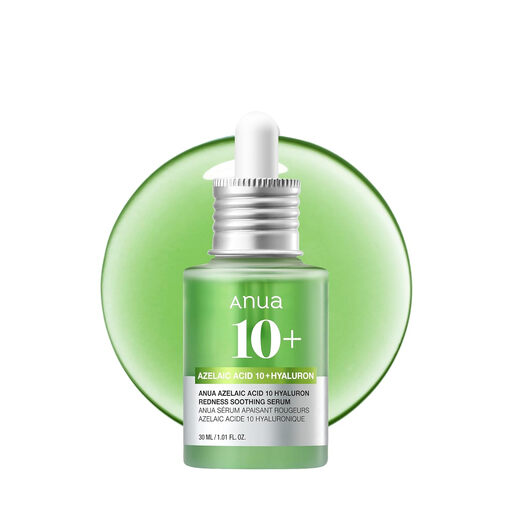
Why it suits this profile: For users specifically looking for a serum for redness, visible blemishes or an uneven-looking complexion, and who are prepared to introduce it gradually.
The azelaic acid percentage is stated: 10%. The usage instructions recommend starting with 1–2 applications per week. Do not use on irritated skin and apply sunscreen during the day.
30 ml volume; also contains panthenol, glycerine, sodium hyaluronate and ceramide NP according to the stated ingredients list.
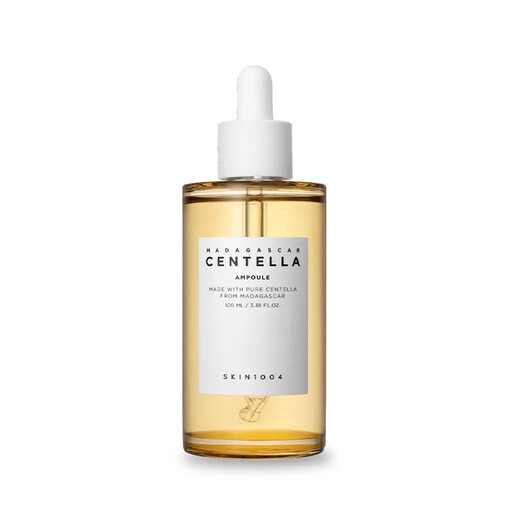
Why it suits this profile: A generous ampoule for anyone wanting a minimalist, lightweight routine and primarily seeking centella-based care.
The product description centres the formula around centella extract, without immediately adding several strong acids or retinoids. Check the current ingredients on the packaging.
100 ml volume; use 2–3 drops on the face and neck; lightweight formula according to the product information.
We have put together a complete, up-to-date list of products that fully meet these strict selection criteria and the applicable European safety regulations.
Keep your routine straightforward:
For a serum for blemish-prone skin, you could look for niacinamide, azelaic acid or salicylic acid. If your skin mainly lacks moisture, you could choose hyaluronic acid, beta-glucan or panthenol. For dull skin, vitamin C, alpha-arbutin and tranexamic acid are common options. These ingredients are not a substitute for treatment of a skin condition.
Only use retinol products according to the packaging instructions. For example, the SKIN1004 Madagascar Centella Retinol 0.2 Boosting Shot Ampoule lists both retinol and retinal and recommends introducing it gradually. According to the safety information, use during pregnancy or breastfeeding is only advisable after consulting a healthcare professional.
Look for a short ingredients list, a fragrance-free formula and gentle hydrating ingredients such as panthenol, glycerine, hyaluronic acid or centella. Always patch-test each new product on a small area of skin first. Even a product described as mild can cause irritation for individual users.
This depends on the volume, dosage, packaging and frequency of use. A 30 ml bottle used a few drops at a time may last longer than an ampoule applied generously. Check the expiry date and any period-after-opening symbol on the packaging. Store the serum in a cool, dry place away from direct sunlight.
Sometimes, but it is better to start with one product for each skin concern. Hydrating serums are generally easier to combine. Be more cautious with a vitamin C serum, azelaic acid serum, salicylic acid or retinol. If you experience a burning sensation, itching, swelling or persistent redness, stop using the product.
