
Vandaag of morgen in huis

Kwaliteit gegarandeerd

Welkomstaanbiedingen ontgrendelen: GRATIS bezorging | Tot 80% korting | Gratis 30 dagen JoyPlus-proefperiode
Download de app
The world of Korean skincare can be overwhelming. With promises of flawless 'glass skin' and an endless stream of new products, it's easy to get lost. As a Product Recommendation Officer at Joybuy, I filter through the noise and help you make the right choices, without falling for marketing hype. Let's look at the most common pitfalls when choosing a Korean serum.
Pitfall 1: The myth of the "miracle ingredient" Brands often promote a single ingredient, like a high percentage of niacinamide or vitamin C, as the ultimate solution. However, an effective product depends on the total formula. A high percentage of one substance is no guarantee of success if the other ingredients aren't supportive or are even irritating.
Pitfall 2: Confusion between serum, essence, and ampoule These terms are often used interchangeably, which causes confusion. An essence is typically lighter and focused on hydration, a serum contains a higher concentration of active ingredients for specific concerns, and an ampoule is an even more concentrated product, often intended as a short-term treatment. Without this distinction, you might buy a product that doesn't suit your goals.
To avoid a purchase you'll regret, it's helpful to look at a few objective specifications. This helps you look past the marketing and choose a product that truly suits your skin.
Look beyond that one 'hero ingredient'. Effectiveness lies in the synergy. For example, a vitamin C serum becomes more stable and potent when combined with ferulic acid and vitamin E. A niacinamide serum can strengthen the skin barrier, but a concentration that's too high can actually cause irritation for sensitive skin. Look for formulas that combine ingredients to tackle a specific problem, such as hyaluronic acid for a hydrating serum or peptides in an anti-aging serum.
The texture is crucial for the user experience and effectiveness. Do you have oily or acne-prone skin? Opt for a light, watery texture that absorbs quickly and doesn't leave a sticky residue. For dry or mature skin, a slightly richer, more nourishing texture can be beneficial. The product description often indicates whether a formula is lightweight, gel-like, or more oil-based.
Consider what your primary skin goal is. Are you looking for a serum for glowy skin? Then ingredients like niacinamide, propolis, or rice water extract are good indicators. Do you want a serum for pores? Then look for formulas with BHA, PHA, or specific plant extracts that regulate sebum production. By focusing on your goal, you can search more effectively within the vast range of Korean skincare.
Below are some popular choices, matched to specific user profiles. This is not a ranking, but a selection based on product specifications and the skin goals they address.
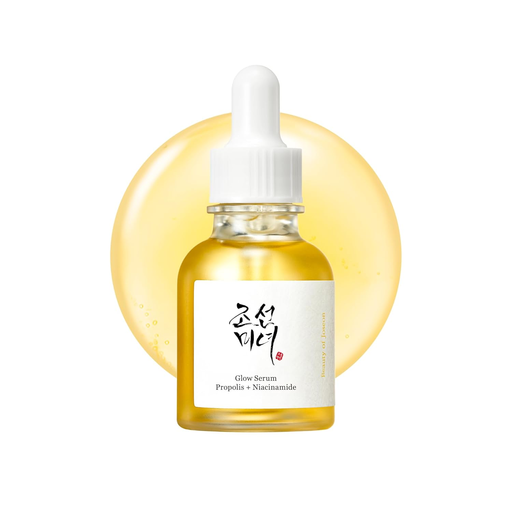
Why This Fits Their Persona: Ideal for those just entering the world of K-beauty and wanting that coveted 'glow'. This serum is focused on brightening the skin and controlling sebum, making it a versatile choice for normal to combination skin types looking to tackle dullness.
This product doesn't rely on a single ingredient. It combines 60% propolis extract with 2% niacinamide, a duo that works together to soothe, brighten, and regulate sebum production.
Honey-like texture that hydrates without being sticky. Aims to both provide a glow and address troubled skin.
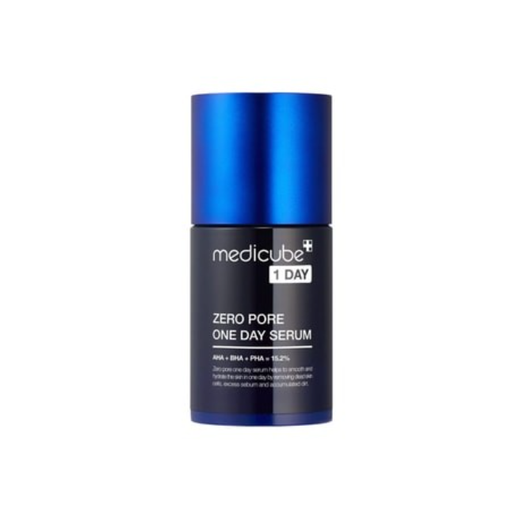
Why This Fits Their Persona: Specifically for users bothered by enlarged pores and uneven skin texture. This is a powerful pore-targeting serum focused on exfoliation and refining the skin's structure.
This serum doesn't make vague promises. It clearly specifies the active ingredients: a complex of 15.2% AHA, BHA, and PHA. This combination of acids provides exfoliation at different levels of the skin, which is more effective than a single acid.
Targeted formula for reducing the appearance of pores and regulating sebum. The addition of niacinamide simultaneously helps to brighten and hydrate the skin.
We have compiled a complete, up-to-date list of products that meet these selection criteria and EU regulations.
Yes, most Korean serums are designed for daily use, both morning and night. For products with a high concentration of active ingredients, such as exfoliating acids (AHA/BHA) or retinol, it's best to introduce them gradually. Start with a few times a week to allow your skin to acclimate. Always read the instructions on the packaging.
While the lines can sometimes blur, there is a general difference. An essence is usually lighter in texture, almost watery, and serves as a first hydrating layer after cleansing. A serum is typically a bit thicker and contains a higher concentration of active ingredients to tackle specific skin concerns like wrinkles, dark spots, or dullness.
Skincare is not a quick fix. Although you might feel smoother skin immediately after applying a hydrating serum, most active ingredients need time to work. For visible improvements in skin texture, reduction of pigmentation, or fine lines, you should expect to see results after at least 4 to 8 weeks of consistent use. Patience and a steady routine are key.
