
Vandaag of morgen in huis

Kwaliteit gegarandeerd

Welkomstaanbiedingen ontgrendelen: GRATIS bezorging | Tot 80% korting | Gratis 30 dagen JoyPlus-proefperiode
Download de app
Korean serums are popular for their lightweight textures, targeted ingredients and wide choice. However, it’s not wise to rely solely on terms such as “glow”, “glass skin” or “collagen boost”. A serum should suit your skin type and routine, as well as the concern you want to address.
If you focus only on a high percentage of niacinamide, vitamin C or azelaic acid, you could end up choosing a formula that’s too intensive for daily use. Read on to find out what to look for in a Korean face serum and which popular options suit different types of users.
A serum with 10% or 15% of an active ingredient may sound impressive, but the overall formula is just as important. The presence of hydrating and soothing ingredients, the acidity and how often you use it also determine how well a product fits into your routine.
For example, a niacinamide serum or serum for dark spots may contain several supporting ingredients, such as panthenol, hyaluronic acid or ceramides. So don’t just look at the most prominent number on the packaging.
A product description may say that a product is suitable for all skin types, but your skin may not respond well to fragrance, alcohol, exfoliating acids or a high concentration of active ingredients. So if you’re choosing a serum for sensitive skin, always check the full ingredients list.
If you’re unsure, try the serum on a small area of skin first. Stop using it if you experience persistent redness, itching, swelling or a burning sensation.
Brands may claim that their products visibly even out the complexion, improve elasticity or give skin a more youthful appearance. These are properties attributed to the formula by the brand, based on its own research or the product description; they aren’t guaranteed for every skin type.
A cosmetic product is not a substitute for medical treatment. If you have persistent skin problems or severe irritation, it’s best to seek advice from a doctor or dermatologist.
A watery formula layers well under moisturiser and sunscreen. A gel serum can feel comfortable on normal or combination skin, while a richer formula may feel more comfortable on dry skin.
Also check for glycerine, panthenol, beta-glucan, ceramides or sodium hyaluronate. These ingredients are often used to help retain moisture or keep skin feeling comfortable. A lightweight texture doesn’t automatically mean a serum contains few nourishing ingredients.
Check the ingredients on the packaging, as formulas can change. Also look for the expiry date, the period after opening and the recommended storage temperature. Some products come with a pipette, while others have a pump bottle. A pump bottle generally limits how often the formula is exposed to air and fingers.
Apply a serum after cleansing and, if you use one, toner. Finish with a moisturiser. If your routine includes ingredients that can make your skin more sensitive to sunlight, remember to use sun protection during the day.
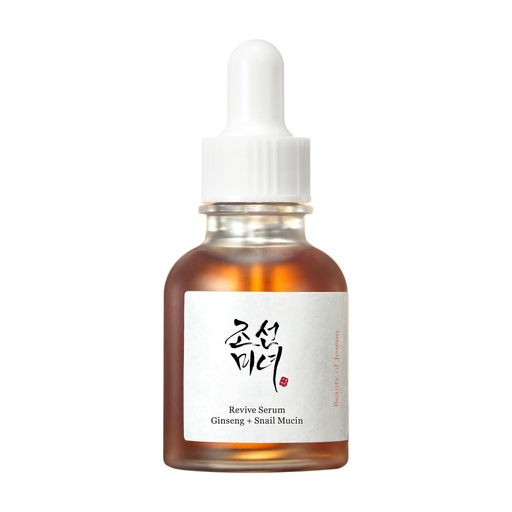
Why it suits this profile: With a gel texture, glycerine, niacinamide, sodium hyaluronate and 3% snail mucin, this serum is a good fit for beginners mainly looking for hydration and comfort.
The formula isn’t centred on one extremely high percentage and contains several hydrating ingredients. However, check that your skin responds well to snail mucin.
30 ml, pump bottle, gel texture and, according to the product specifications, alcohol-free and vegan.
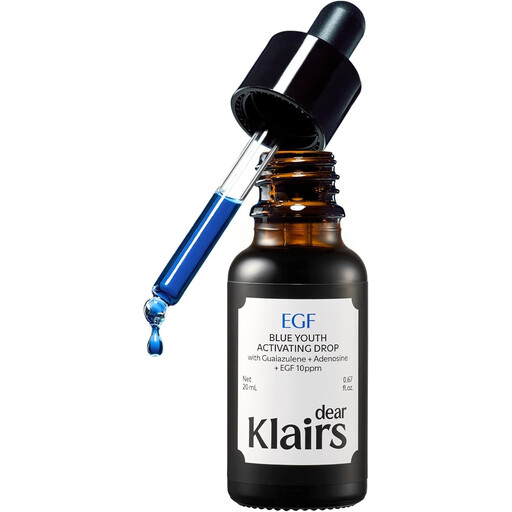
Why it suits this profile: If you’re looking for a concentrated evening routine with a lightweight texture, this serum combines copper peptides, hyaluronic acid, guaiazulene and adenosine.
The product specifications state that the formula is fragrance-free. According to the description, its blue colour comes from natural colourants; always check the label.
20 ml, a lightweight watery texture and a combination of peptides, hyaluronic acid and adenosine.
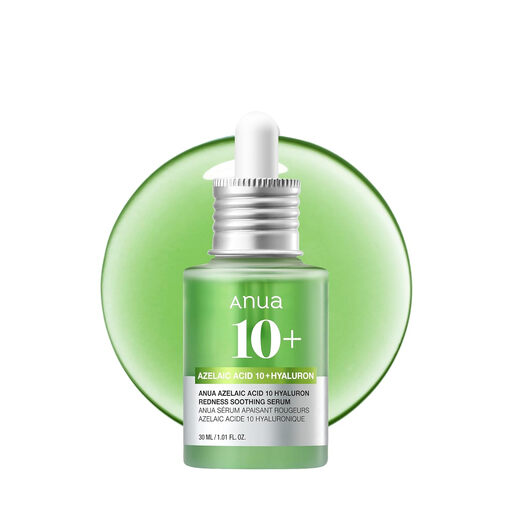
Why it suits this profile: This option is aimed at users who want to add azelaic acid to a routine for visible redness, blemishes or an uneven complexion.
The directions recommend introducing it gradually, using 1 to 2 drops, and patch testing if you have sensitive skin. Use sun protection during the day.
10% azelaic acid, hyaluronic acid, panthenol, ceramide NP and Centella Asiatica in the ingredients list.
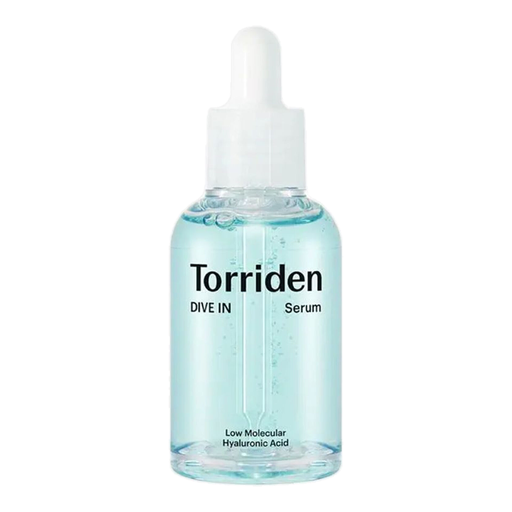
Why it suits this profile: This fragrance-free hydrating formula is a practical choice if you want a simple morning and evening routine without strong active acids.
The product information states that it contains no fragrance and combines five types of hyaluronic acid. If you have allergies, always check the current packaging.
50 ml, five types of hyaluronic acid, panthenol, ceramide NP and beta-glucan, according to the product description.
We’ve put together a complete, up-to-date list of products that meet these strict selection criteria and the applicable European safety regulations.
Look for a hydrating serum with glycerine, hyaluronic acid, beta-glucan, panthenol or ceramides. A gel serum can feel comfortable, but follow it with a moisturiser to help keep skin feeling hydrated for longer. Products with lots of acids or high concentrations of active ingredients aren’t always necessary for dry skin.
You can, but it’s best to introduce one new product at a time. For example, combine a hyaluronic acid serum with a simple moisturiser. Take extra care when combining vitamin C, azelaic acid, exfoliating acids and a high-strength niacinamide serum. Gradually increase how often you use them, and stop if irritation occurs.
It depends on the amount in the bottle, how much you apply and how often you use it. A 30 ml bottle will usually last longer with daily use than a product applied generously, but the exact duration varies from one routine to another. Always follow the expiry date and period-after-opening guidance on the packaging. Store the serum in a cool, dry place away from direct sunlight.
