
Vandaag of morgen in huis

Kwaliteit gegarandeerd

Welkomstaanbiedingen ontgrendelen: GRATIS bezorging | Tot 80% korting | Gratis 30 dagen JoyPlus-proefperiode
Download de app
A Korean serum for blemish-prone skin may be suitable for breakouts, redness, clogged pores or post-acne marks. However, it is easy to overpay for a product that does not suit your skin type. Attractive packaging, a lengthy ingredients list or a high concentration does not automatically mean that a serum is right for your routine.
The right choice starts with checking the formula, instructions and size. Below, you will find what to look for and which popular options suit different skin needs.
An azelaic acid serum or niacinamide serum with a concentrated formula may seem appealing. However, gradually introducing active ingredients is important if your skin is sensitive or irritated. According to the product information, the SKIN1004 Madagascar Centella Azelaic Acid 10 Ampoule contains 10% azelaic acid. The instructions recommend applying a small amount every other day during the first week.
Start with one active product at a time. This makes it easier to assess how your skin responds. Do not immediately combine azelaic acid with multiple exfoliating acids, retinoids or a powerful exfoliating product.
A serum may temporarily make pores appear less noticeable through hydration, sebum control or a smoother skin texture. Pores do not literally disappear. Focus on the ingredients and product claims rather than terms such as “pore minimizing” alone.
For oily or acne-prone skin, a lightweight ampoule may feel more comfortable than a heavy, oil-rich serum. Also check whether the product description specifies a non-comedogenic formula. This is not a guarantee for every skin type, but it is still relevant product information.
A serum for redness, a serum for dark spots and an exfoliant may each serve a different purpose. Using everything at once increases the risk of dryness, stinging or flaking. A simple routine consisting of cleanser, one serum, moisturizer and daytime sun protection is often easier to manage.
For persistent or severe skin concerns, consult a doctor or skincare professional. Cosmetic serums are not medicines and do not replace medical treatment.
Choose the ingredient according to your primary skin concern:
A long ingredients list is not automatically an advantage. Pay particular attention to the product’s purpose, concentration and warnings.
A 9 or 15 ml mini serum is convenient for trying out a formula or taking it on holiday. A 50, 55 or 100 ml bottle makes more sense if you already know and use the product regularly. Check the expiry information on the packaging and look for the symbol indicating the recommended period after opening, if provided.
A watery ampoule often layers well under moisturizer and sunscreen. A richer formula may feel more comfortable on dry or dehydrated skin. If you are looking for a hydrating serum for sensitive skin, consider ingredients such as glycerin, panthenol, hyaluronic acid, beta-glucan or ceramides.
Apply a new serum to a small area of skin first. Stop using it if you experience persistent redness, itching, swelling or a burning sensation. Do not apply an active formula to damaged or sunburned skin. When using a serum containing acids or azelaic acid, daytime sun protection is a sensible part of your routine.
Also check the current ingredients list on the packaging. Formulas can change, meaning that the information on a product page may differ from what appears on a later package.
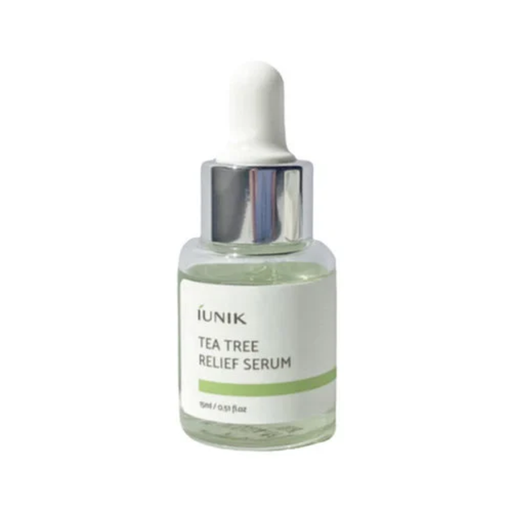
Why This Fits Their Persona: The 15 ml size is practical for anyone trying Korean skincare for the first time or looking for a compact travel-friendly option.
You do not have to commit to a large bottle before knowing how your skin will respond. According to the product information, the formula contains 67% tea tree leaf water and 19.7% centella asiatica extract.
Compact 15 ml size; also contains niacinamide and adenosine according to the product description.
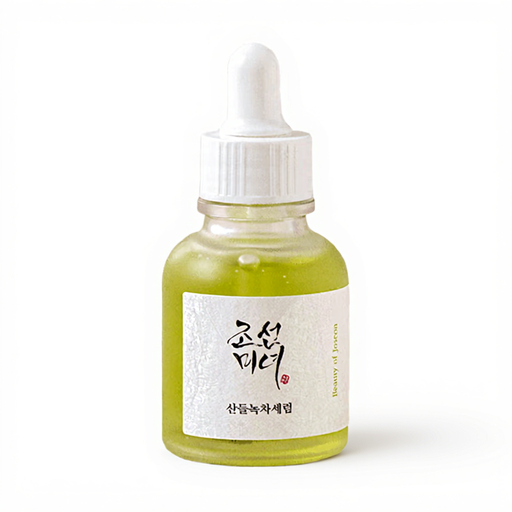
Why This Fits Their Persona: Ideal for anyone seeking a lightweight, hydrating formula for sensitive or dehydrated skin as part of a more extensive routine.
The product information specifies the key amounts: 50.9% green tea water, 30% mugwort extract and 5% panthenol. This makes the formula easier to assess than a broad claim about “natural care”.
30 ml size; according to the product data, alcohol-free, fragrance-free and formulated with panthenol, glycerin and sodium hyaluronate.
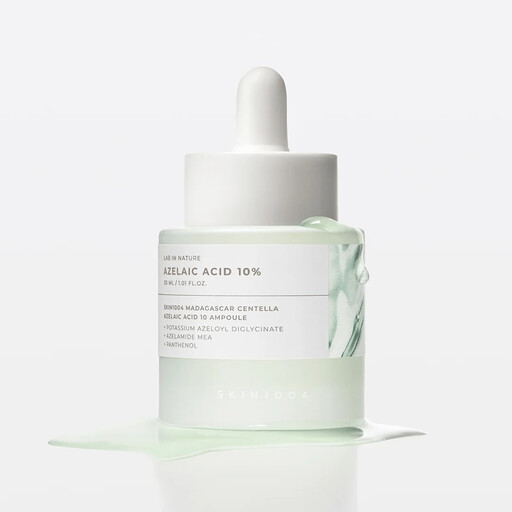
Why This Fits Their Persona: A practical choice for anyone specifically looking for an azelaic acid serum for blemish-prone skin, visible redness or post-acne marks.
The packaging states the active concentration of 10% and provides a gradual introduction schedule. This makes it clearer how to incorporate the product carefully.
Contains azelaic acid, soothing centella asiatica, panthenol and hyaluronic acid; the 9 ml mini size lets you try it first.
Browse a current selection of serums for acne-prone skin and compare ingredients, sizes and usage instructions before placing your order.
Do not introduce several new serums at the same time. Test each product separately and give your skin time to adjust to the routine.
Look for a simple formula with hydrating and soothing ingredients such as panthenol, centella asiatica or hyaluronic acid. If you want to try azelaic acid, start with a low frequency and follow the warnings on the packaging. A serum for acne-prone skin does not guarantee a particular result; skin reactions vary from person to person.
This can work in some routines, but it is generally best not to introduce both ingredients on the same day. Start with one serum and observe your skin. If you experience stinging, flaking or persistent redness, reduce usage or stop. Always check the current product instructions.
That depends on the size and how often you use it. A 30 to 50 ml bottle will generally last longer with daily use than a 9 or 15 ml mini. Check the expiry date and recommended period after opening on the packaging. Store the serum in a cool, dry place away from direct sunlight.
