
Vandaag of morgen in huis

Kwaliteit gegarandeerd

Welkomstaanbiedingen ontgrendelen: GRATIS bezorging | Tot 80% korting | Gratis 30 dagen JoyPlus-proefperiode
Download de app
At first glance, a Korean seaweed snack seems simple: thin sheets of seaweed, a little oil and some seasoning. Yet products vary widely in flavour, portion size, intended use and allergens. If you only look at the front of the packet, you could end up buying a snack that’s too salty, goes soft quickly, or turns out to be unsuitable for sushi.
In this buying guide from the Joybuy Product Recommendation Officer, you’ll discover what to look for in roasted seaweed, nori seaweed and seasoned seaweed. We’ll also compare several options for snacking straight from the packet, rice dishes, kimbap and sushi.
Many Korean snacks are sold in sachets weighing between 3 and 12 grams. That’s handy for eating on the go, but the price per 100 grams can end up higher than with a larger bag. So don’t just look at the number of sachets – also check the total net weight and the content per serving.
A multipack is practical for lunchboxes and sharing. For toppings on rice, noodles or salads, shredded seaweed is often more efficient, because you open less packaging per dish.
Seasoned seaweed is usually roasted and coated with oil, salt or other flavourings. It’s intended to be eaten straight away or used as a topping. Sushi nori typically consists of larger, unseasoned sheets that you can fill and roll yourself.
A seasoned snack may be less suitable for tightly rolled sushi because of the oil and seasonings. So always check whether the packet states that the product is suitable as seaweed for sushi, rice balls or kimbap.
Marketing claims don’t always tell you how much oil, salt, sugar or flavour enhancers a product contains. Check the ingredients in the correct order: ingredients listed first are present in the largest amounts. Also look out for allergens such as sesame, soya and traces of fish or shellfish.
When a product makes a claim about taste or preparation, bear in mind that a brand’s own research may suggest a particular roasting or production method affects texture, but the experience varies from person to person. So focus on the concrete product information and the packaging.
Choose the form based on how you plan to use it:
Nori is a type of red algae that is often dried and roasted. The term “roasted seaweed” alone doesn’t tell you anything about the size or seasoning.
A simple sushi nori can consist of 100% seaweed. A Korean seaweed snack often contains extra ingredients such as corn, rapeseed or olive oil, salt, sesame oil, sugar, chilli or seasoning blends.
Always check:
Product information can change. So always read the physical label before consuming, especially if you have an allergy or food intolerance.
Crispy seaweed chips quickly lose their texture when moisture gets to the product. A resealable bag is handy for larger packs. Individual sachets are useful when you want to keep portions separate.
Store seaweed in a cool, dry place, out of direct sunlight and away from heat sources. Seal the packaging well after opening and do not use the product if the packaging is damaged. For the exact best-before date and storage instructions, always refer to the label.
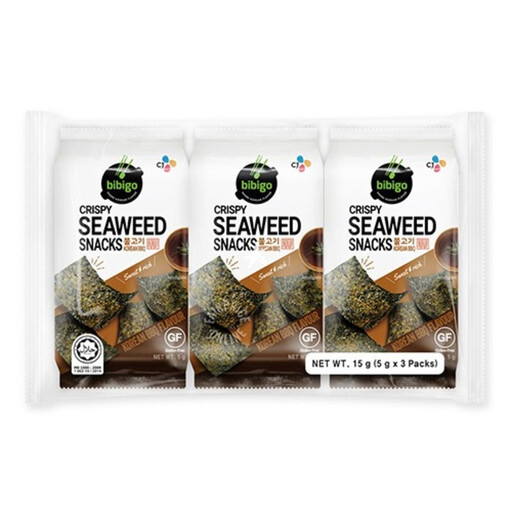
Why this fits the profile: The pack contains three 5g portions, so you can try a smaller amount first without buying a large bag straight away.
The number of sachets and the total size are clearly stated, so you can compare portion size and price more easily.
Bulgogi seasoning, three separate portions and a size ideal for snacking straight from the packet.
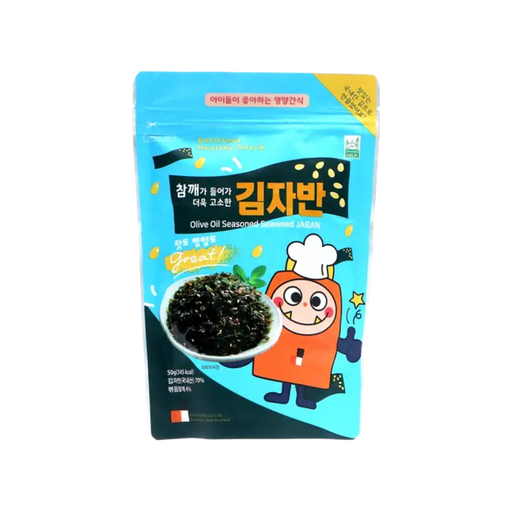
Why this fits the profile: The finely cut form and GimJaban seasoning suit anyone who wants one product for both snacking and topping.
The intended use as a topping is clearly described, so you won’t confuse it with whole sushi sheets.
50g, shredded seaweed, olive oil and a resealable bag according to the product description.
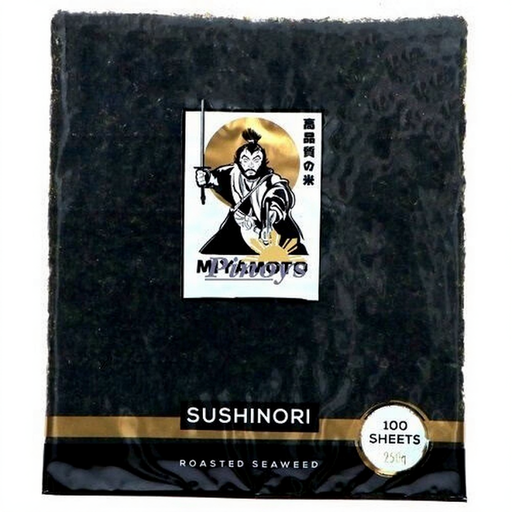
Why this fits the profile: With 100 sheets measuring 19 x 21 cm, this format is aimed at regular preparation of sushi, kimbap, wraps or larger meals.
It’s clearly a bulk pack of whole sheets, not a small snack pack that would be awkward for rolling.
100 roasted sheets, a size of 19 x 21 cm and suitable for sushi and kimbap.
We’ve put together a full, up-to-date list of products that fully meet these strict selection criteria and comply with current European safety regulations.
Yes, especially shredded or flaked seaweed works well as a topping. Garimi GimJaban and similar jaban products can be sprinkled over rice, noodles, salads or soup. Add the topping just before eating if you want to keep the crispy texture.
Nori for sushi usually consists of large, thin sheets that you can fill and roll. Seasoned seaweed is often roasted with oil, salt, sesame or other flavourings and is eaten straight away. So always check the size, ingredients and recommended use on the packaging.
Store the product in a dry, cool place and keep it well sealed. Moisture makes the seaweed less crispy. Individual portions are best consumed straight after opening. For a larger pack, a resealable bag or airtight container helps. Always refer to the label for the best-before date and specific storage advice.
