
Vandaag of morgen in huis

Kwaliteit gegarandeerd

Welkomstaanbiedingen ontgrendelen: GRATIS bezorging | Tot 80% korting | Gratis 30 dagen JoyPlus-proefperiode
Download de app
A Korean seaweed snack might look simple at first glance: thin sheets of nori, a little oil and some seasoning. But the products vary widely in flavour, texture, packaging and allergens. A packet designed for snacking straight from the bag isn’t automatically suitable as a topping for rice or sushi.
The most common buying mistakes come down to three pitfalls:
For a nori snack, loose, crispy sheets are practical. Individual portions of 3 or 4 grams are convenient for on the go or with lunch. If you’re mainly cooking, look for cut or crumbled seaweed. That’s easy to sprinkle over rice, ramen, noodles or a salad.
Seaweed for sushi needs to be firm enough to fill and roll. Seasoned seaweed with oil isn’t always the most practical choice for that. For sushi, it’s better to check whether the product is intended as a sheet and not as flakes or a snack bar.
For rice dishes, seaweed for rice, gimjaban and furikake-style blends are ideal. These varieties are often already crumbled and sometimes contain sesame, sugar, wasabi or soy sauce powder.
Look at the ingredients list rather than just the front of the packet. Many products contain vegetable oil, salt and extra flavourings. Some varieties mention sesame oil or sesame seeds – that’s important if you have an allergy.
A few examples from the range:
Nutritional values can’t be compared directly between packets when one table is given per portion and another per 100 grams. So pay attention to the unit, portion size and amount of salt.
Always read the label on the packet. Product details in a webshop can change and don’t replace the current ingredients list. Look out for:
The Delief Original and Delief Olive Oil varieties are listed as halal in the product information. Delief Olive Oil 4.5g x 12 does mention sesame as an allergen and notes possible traces of soya, fish or shellfish. So even with a halal seaweed snack, check the full packaging.
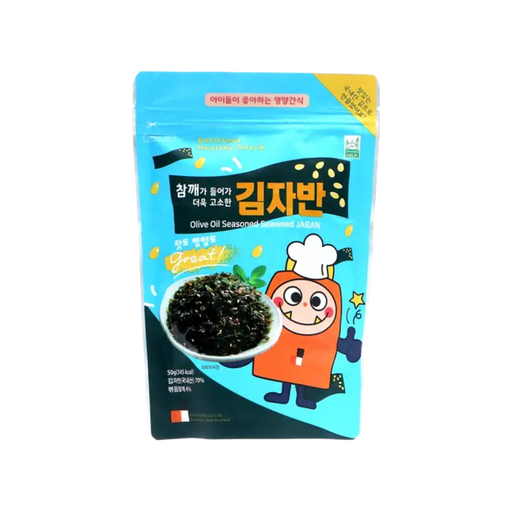
Why it suits this profile: The 50g bag is ideal if you want one product for rice, noodles, salads and sushi toppings. The seaweed is already finely cut and easy to portion out.
The format makes it clear what you’re using it for: not rolling as a sheet, but sprinkling as a topping. The resealable bag helps keep moisture out.
50g, shredded texture and olive oil with GimJaban seasoning. According to the product information, it contains none of the 14 major EU allergens.
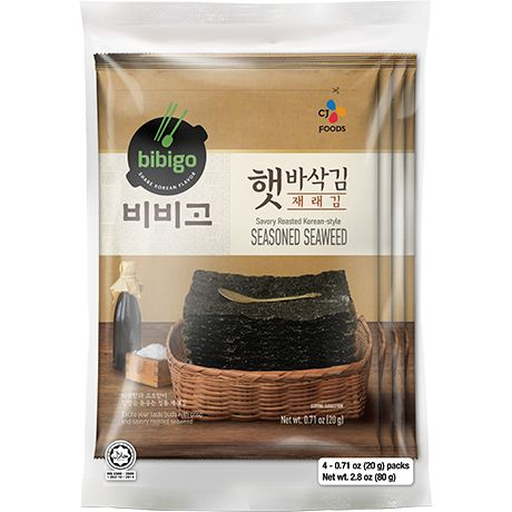
Why it suits this profile: The four 20g portions are ideal if you want to serve crispy seaweed as a standalone snack without having to open a large pack each time.
The portion packaging limits the time that opened seaweed is exposed to air and moisture.
Four 20g packs and a product description that distinguishes between different flavour variants. Check the chosen variant on the label.
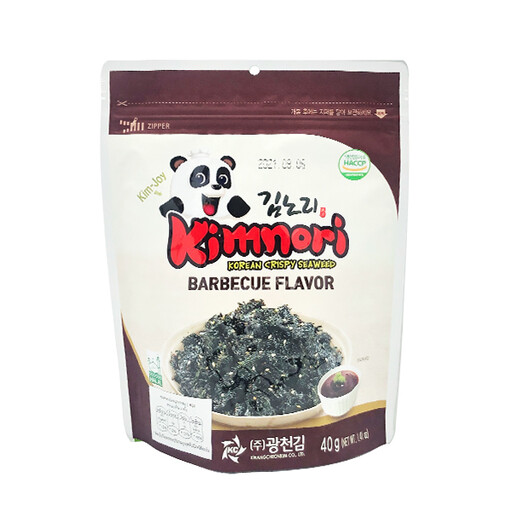
Why it suits this profile: These flakes are designed for frequent use in rice, salads, noodles and soups. The BBQ seasoning gives a clear flavour direction.
The product format means you don’t have to crumble snack sheets yourself. The ingredients list the BBQ seasoning and sesame used.
40g, flake-shaped pieces and stated origin South Korea. According to the product information, it contains sesame.
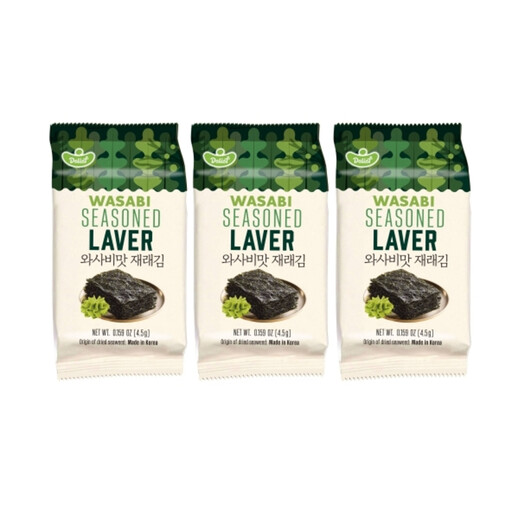
Why it suits this profile: The three small sachets are ideal if you want to try wasabi seasoning without committing to a large pack.
The flavour is clearly stated as wasabi. That makes the choice more transparent than with a pack that only says “seasoned”.
Three 4.5g portions and an ingredients list with seaweed, rapeseed oil, wasabi seasoning and salt. According to the product information, it contains none of the 14 major EU allergens.
We’ve put together a full, up-to-date list of products that fully meet these strict selection criteria and current European safety regulations.
Not always. Korean nori is often roasted and seasoned with oil and salt. That makes it suitable as a snack or topping. Seaweed for sushi is usually a larger, unseasoned sheet that you can fill and roll. Check the product format and instructions before you order.
Keep it in a cool, dry place, out of direct sunlight and away from heat and moisture. Seal a resealable bag carefully. It’s best to open individual portions just before use. Always follow the storage instructions on the packet.
A seaweed salad is usually moist, seasoned and chilled or frozen. A nori snack is dry, roasted and crispy. The products aren’t interchangeable. Mooijer Seasoned Seaweed Salad contains, according to the product information, sesame, soya and wheat, and must be stored frozen. That requires a different approach to a dry snack in the cupboard.
