
Vandaag of morgen in huis

Kwaliteit gegarandeerd

Welkomstaanbiedingen ontgrendelen: GRATIS bezorging | Tot 80% korting | Gratis 30 dagen JoyPlus-proefperiode
Download de app
Korean seaweed is available as a crispy snack, roasted sheets, seasoned seaweed or dried strips for hot dishes. With such a wide range, choosing isn’t always straightforward. A packet labelled “crispy”, “premium” or “authentic” doesn’t automatically tell you whether the product is suitable for sushi, soup or everyday use.
Pay particular attention to three common pitfalls:
A Korean seaweed snack usually consists of thin seaweed that has been roasted and flavoured with oil and salt. Some varieties contain sesame oil, olive oil, chilli, wasabi, barbecue seasoning or teriyaki. This type you eat straight from the packet or crumble as a seaweed topping over rice, noodles and salads.
If you want a clear flavour without any extra preparation, look for terms like seasoned seaweed, gekruid zeewier or seaweed snack. Watch the salt content if you eat multiple portions. The nutritional values on the label are often given per 100 grams, whereas an individual packet is much smaller.
Nori seaweed for sushi is usually sold as thin, roasted sheets. A product like O’Food Roasted Seaweed For Sushi consists of 100% seaweed according to the product information, and is intended for sushi and other dishes. Delief Roasted Seaweed Sushi Nori can also be used for sushi, rice balls and as an accompaniment to meals, according to the product description.
When buying, check:
For sushi you don’t need a seasoned variety with olive oil or sesame. A neutral flavour gives you more control over the rice, fish, tofu and vegetables.
Dried seaweed is handy as an ingredient for soups, salads and Asian dishes. Wakame is often sold dried and absorbs moisture after soaking. This means a small amount can expand. Follow the preparation instructions on the packet and use an appropriate portion.
Chung Jung One Dried Seaweed, 150 grams, is intended for cooking, soups, salads and Asian dishes according to the product information. Wakame Natural Dried Seaweed is described as 100% dried wakame. This type of product is especially suitable if you cook regularly and aren’t just looking for a snack.
Look beyond the front of the packet. A product labelled “olive oil” may also contain corn or sesame oil. For example, the Chung Jung One Seaweed Snack with Olive Oil lists seaweed, corn oil, olive oil, salt, sesame oil and E621. Sesame is listed as an allergen.
If you have a food allergy, the packet is the final authority. Product information on a webpage can change or be incomplete. Always check the current ingredients list and allergen warning before consuming.
Don’t directly compare 50 grams of loose seaweed with three packets of 4 grams. Individual packets are practical for on the go and help maintain crispness after opening, but the total quantity is limited. A larger resealable bag is more convenient for use as a topping, while snack packs are suitable for fixed portions.
Also watch out for misleading comparisons between volume and weight. Seaweed is light; a large bag doesn’t necessarily contain many grams.
Moisture is the main practical enemy of crispy seaweed. Store the packet according to the label in a cool, dry place, away from direct sunlight and heat. Seal a resealable packet immediately after use. Loose sheets are best sealed tightly after opening and used quickly.
A damaged packet, soft texture or unusual smell are reasons not to use the product. Check the date on the packet for shelf-life information.
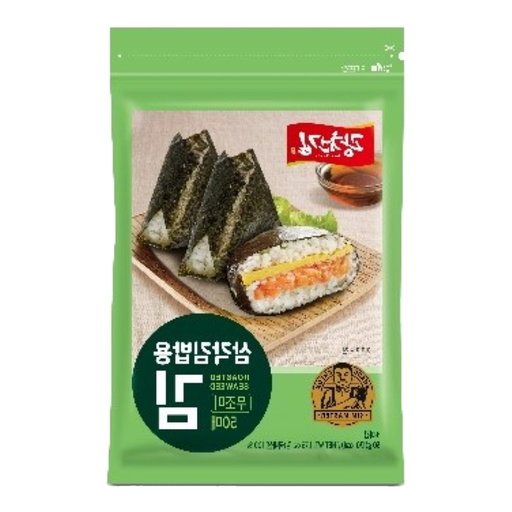
Why this fits the profile: The 50-gram packet offers a manageable quantity for anyone trying Korean seaweed for the first time, without committing to a large bulk pack.
According to the product information, this product consists of 100% seaweed. So you’re not buying a seasoned variety when you’re actually looking for a neutral base.
50 grams and one listed ingredient; suitable for pairing with rice or onigiri.
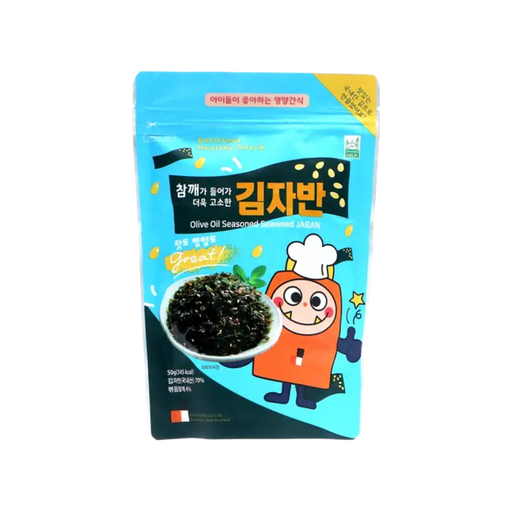
Why this fits the profile: This finely shredded variety is designed as a direct flavour enhancer for rice, noodles, salads and sushi.
The product description clearly states olive oil, salt and GimJaban seasoning. This makes the flavour profile easier to judge in advance than with an unspecified snack.
50 grams of shredded seaweed and a resealable bag; ready to use as a seaweed topping.
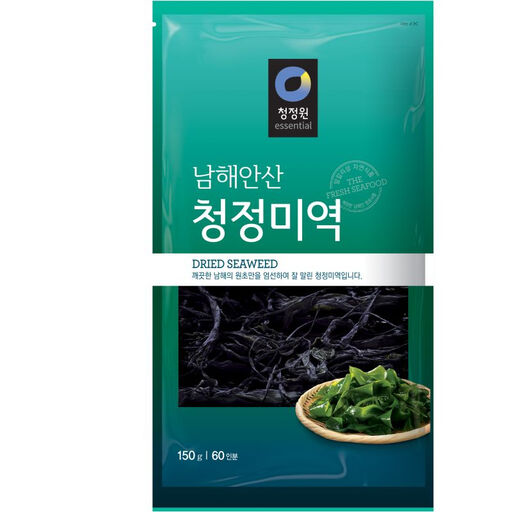
Why this fits the profile: The 150-gram quantity suits households and cooking enthusiasts who regularly prepare soups, salads or Asian dishes.
The product description explicitly mentions it as dried seaweed for cooking, soups, salads and Asian dishes. This means it’s not a wrong purchase if you’re not looking for a snack.
150 grams and a neutral base of dried seaweed; suitable for multiple cooking applications.
We’ve put together a full, up-to-date list of products that fully meet these strict selection criteria and comply with current European safety regulations.
Not always. Nori is usually intended as a sheet for sushi or rice balls. Korean seaweed snacks are often roasted and seasoned with oil and salt. Read the intended use on the packet before you order.
Store the product dry, cool and well sealed. Individual portion packs generally maintain their texture more easily after opening, whereas a large bag can absorb moisture more quickly if not sealed properly.
Yes. Seasoned or shredded seaweed works well with rice, noodles, salads and soups. Just check the flavour and ingredients beforehand: seaweed with olive oil, sesame, chilli or barbecue seasoning adds more than just a salty, crunchy texture.
