
Vandaag of morgen in huis

Kwaliteit gegarandeerd

Welkomstaanbiedingen ontgrendelen: GRATIS bezorging | Tot 80% korting | Gratis 30 dagen JoyPlus-proefperiode
Download de app
You’re looking for Korean sauces for Korean BBQ, bibimbap, stir-fries or fried chicken. With such a wide range on offer, many bottles look alike, yet they don’t all serve the same purpose. A bulgogi sauce, for example, is intended as a marinade, whereas gochujang is a concentrated Korean chilli paste that you typically use sparingly and may need to mix.
The biggest mistakes often come down to three pitfalls:
The right choice depends mainly on how you plan to use it. Look out for the following product types:
Look at the description and the ingredients. A sauce for Korean fried chicken, for example, needs to be thick enough to coat. A Korean stir-fry sauce or marinade, on the other hand, should mix easily through vegetables, meat or noodles.
Also pay attention to instructions such as:
Check the allergen information on the label. The range includes soya, wheat/gluten, sesame and barley. The Chung Jung One marinade for beef also contains oyster extract and mentions possible traces of fish. If you have allergies, it’s wise to check the actual packaging rather than relying solely on product photos.
The nutritional information table also helps with comparison. The Ajumma Republic Korean BBQ Sauce Spicy, for example, lists 32 grams of sugar and 4.8 grams of salt per 100 ml. The Ajumma Republic gochujang lists 23 grams of sugar and 6.8 grams of salt per 100 grams. That doesn’t make these products unsuitable, but it is relevant to your portion size and recipe.
Compare millilitres or grams, not just the price per bottle. A 500-gram jar of gochujang can work out more economical if you use the paste often, while a 220 ml bottle is more convenient for occasional use.
Read the storage instructions after opening:
Also look out for any mention of alcohol. The Ajumma Republic Korean BBQ Sauce Spicy lists alcohol as an ingredient. That’s important if you want to avoid it.
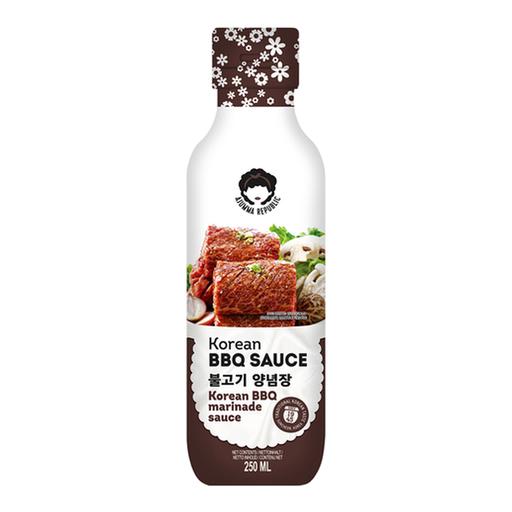
Why this fits the profile: This ready-made Korean BBQ sauce is practical for beginners who want to marinate, dip or glaze vegetables and meat without mixing several ingredients.
The product description mentions multiple uses. Do check the current ingredients list: this sauce contains soya, wheat, sesame and barley, and must be refrigerated after opening.
Ready to use; suitable for marinating, dipping and glazing. The packaging states 250 ml and that it originates in Korea.
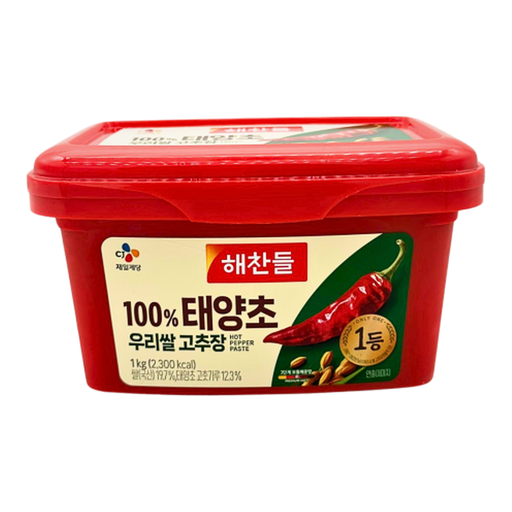
Why this fits the profile: A large pack suits home cooks who regularly make Korean dishes and want to control the heat and balance of their sauce themselves.
You’re not buying a pre-mixed sauce for one dish, but a base you can measure per recipe. Note: the product contains soya.
1 kg pack; usable in soups, stir-fries and marinades. The product information lists rice, soya beans and red pepper as the base.
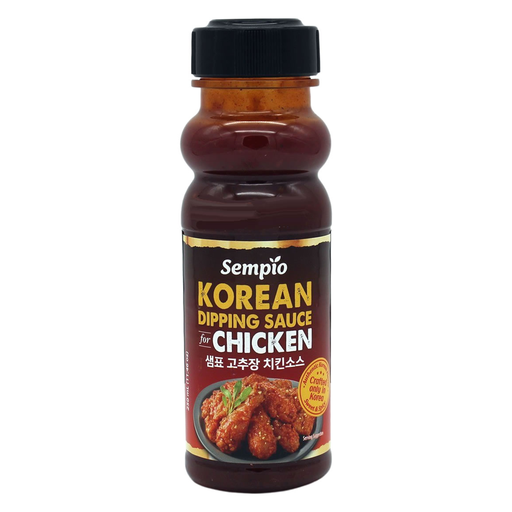
Why this fits the profile: Aimed at fans of Korean fried chicken who want a sweet, spicy sauce to coat crispy chicken or serve as a dip.
The intended use is clearly described, so you won’t confuse this sauce with a neutral stir-fry sauce. The product information lists 29 grams of sugar and 3.1 grams of salt per 100 grams.
Ready to use; suitable for coating, dipping and marinating. Contains wheat/gluten and soya, so check the allergens beforehand.
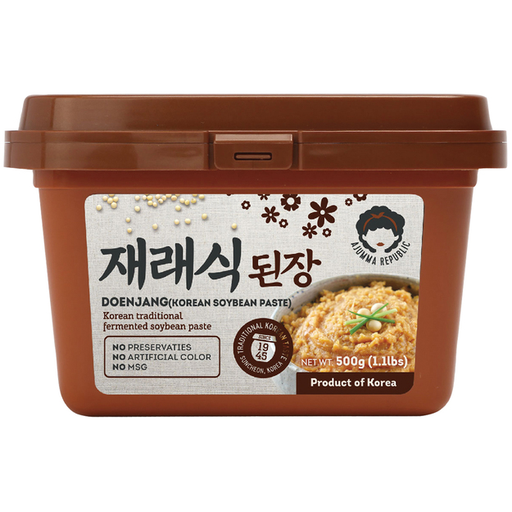
Why this fits the profile: Doenjang is ideal for cooks looking for a savoury base for soups, stews and homemade Korean marinades.
The clear product name prevents confusion with gochujang. The ingredients list mentions soya and wheat; the salt content is 8.5 grams per 100 grams.
500 g pack; usable in soups, marinades and stews. The product information lists soya as the main ingredient.
We’ve put together a full, up-to-date list of products that fully meet these strict selection criteria and comply with current European safety regulations.
Choose a sauce specifically described as Korean fried chicken sauce. This is usually suitable for coating, dipping or glazing. You can also use gochujang, but you’ll often need to mix it with ingredients such as garlic, vinegar, soy sauce or a sweet element.
Gochujang is a spicy red Korean chilli paste. Ssamjang is a savoury dip for lettuce wraps and Korean BBQ. Doenjang is a soya bean paste with a deep, savoury flavour often used in soups and stews. Always check the label, as the composition and heat level vary by brand.
That depends on the product. Store opened sauces according to the label: some need to go straight in the fridge, others have a limited period at room temperature. Use the shelf-life information on the packaging as a guide, and close the bottle or jar tightly after each use.
