
Vandaag of morgen in huis

Kwaliteit gegarandeerd

Welkomstaanbiedingen ontgrendelen: GRATIS bezorging | Tot 80% korting | Gratis 30 dagen JoyPlus-proefperiode
Download de app
Korean sauces make it easy to prepare bulgogi, tteokbokki, Korean fried chicken or a quick stir-fry at home. Yet many bottles and jars look alike. A sweet chilli sauce isn't automatically a Korean BBQ sauce, and a spicy paste has a different use from a marinade.
The main pitfalls are clear:
With the right checks, you can choose a sauce that suits your dish, cooking routine and taste preference.
Before you buy, work out what you mainly need the sauce for:
A product with a wide range of uses is convenient, but always check the recommended preparation method on the label.
Korean sauces often contain concentrated flavourings. That means a small amount adds a lot of flavour. So compare the nutritional values per 100 grams or 100 millilitres.
As a practical example, Bibigo Bulgogi Sauce Mild & Sweet contains 24 grams of sugar and 4.0 grams of salt per 100 grams, according to the product information. The sauce is described as mild and sweet, with soya, garlic, onion, Korean pear and apple purée. That makes it suitable for family meals and for those who want little heat.
A gochujang typically contains both sweetness and chilli as well as fermentation aromas. The KR OF Hot Pepper Bean Paste lists brown rice, fermented soya beans and red pepper powder among its ingredients. The flavour can therefore be stronger and saltier than a ready-made marinade.
Also look out for words like mild, medium or hot. These descriptions aren't always directly comparable between brands. If in doubt, add a small amount first and build up the flavour.
Check before you buy:
The information on the packaging may be more detailed or differ from an online product description. So always check the actual label, especially if you have an allergy or food intolerance.
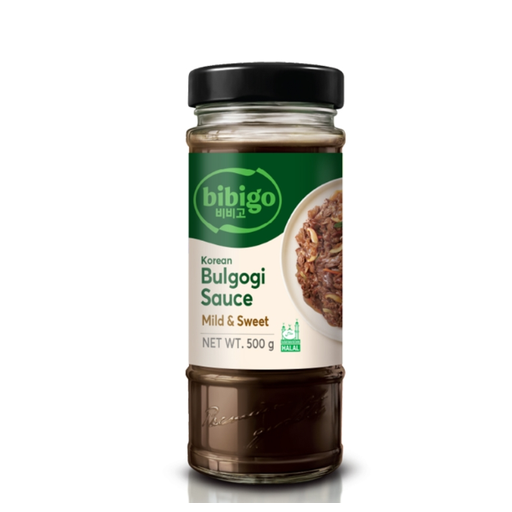
Why this fits the profile: This ready-to-use bulgogi marinade is practical for anyone who wants to marinate, grill or stir-fry beef, chicken or vegetables without much preparation.
The product description clearly states a mild, sweet flavour and uses for marinating, grilling and stir-frying. Do check the stated 24 g sugar and 4.0 g salt per 100 g.
500 g content; soya, garlic, onion, pear and apple purée according to the ingredients list; suitable for multiple cooking methods.
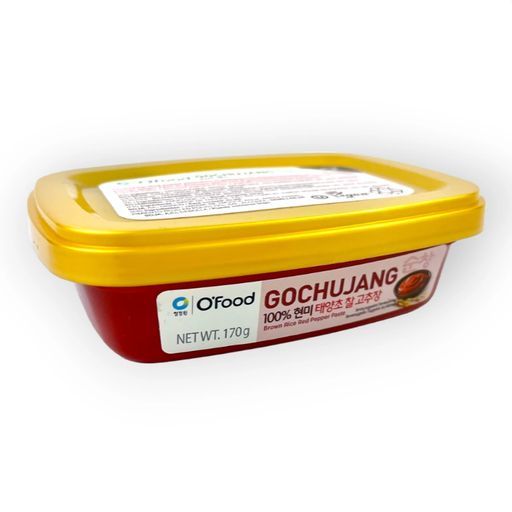
Why this fits the profile: Gochujang is a concentrated Korean chilli paste for those who want to control the balance between spicy, sweet and savoury themselves.
The ingredients and nutritional values are listed, including 6.31 g salt per 100 g. This allows you to measure the amount precisely rather than using an unknown ready-made sauce.
Fermented soya beans and brown rice according to the product information; usable in soups, stews, marinades and stir-fry dishes.
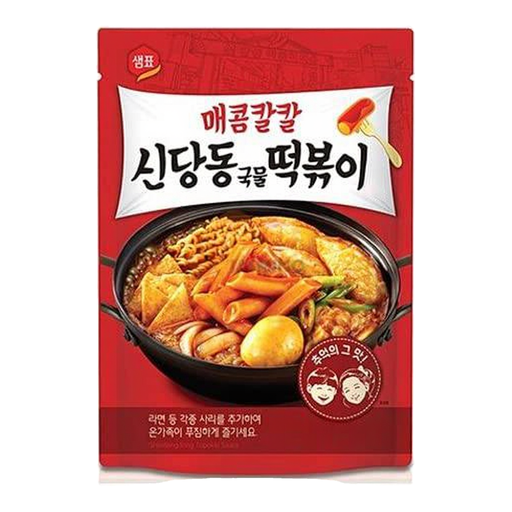
Why this fits the profile: This sauce is designed for tteokbokki and suits home cooks who regularly prepare rice cakes without wanting to make a sauce base from scratch.
The use is specifically stated as tteokbokki sauce. This prevents you from buying a general chilli sauce that may have a different thickness or flavour balance.
180 g content; made in South Korea according to the product information; contains gochujang and black bean paste according to the description.
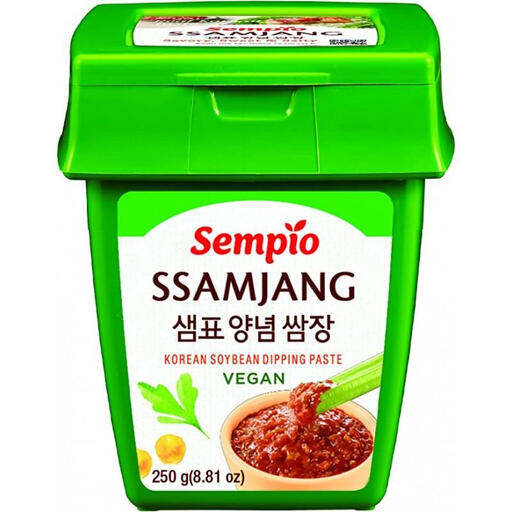
Why this fits the profile: Ssamjang is ready to use as a dip for Korean BBQ, grilled meat and vegetables. That suits gatherings where everyone can mix and match.
The product is clearly labelled as ssamjang and is not intended as a sweet glaze. This means you choose a suitable dip rather than a sauce with a different function.
250 g content; usable as a dip, marinade base or cooking ingredient; contains soya, wheat and sesame according to the product information.
We've put together a full, up-to-date list of products that fully meet these strict selection criteria and current European safety regulations.
A mild bulgogi marinade is usually simple to use: marinate meat or vegetables and cook them in a pan, oven or on the grill. Bibigo Bulgogi Sauce Mild & Sweet has a mild, sweet flavour according to the product description. Always check the sugar, salt and allergens on the label.
Gochujang is a fermented Korean chilli paste with a spicy, sweet and savoury flavour. You use it as a base for sauces, soups, marinades and stir-fry dishes. Ssamjang is a seasoned soya bean paste that is mainly served as a dip with meat and vegetables. The two are not readily interchangeable.
This varies by product. Store an opened sauce according to the packaging: some products need to be refrigerated, others can be kept at room temperature for a while. Close the bottle or jar tightly, use clean utensils and check the stated shelf life and period after opening.
