
Vandaag of morgen in huis

Kwaliteit gegarandeerd

Welkomstaanbiedingen ontgrendelen: GRATIS bezorging | Tot 80% korting | Gratis 30 dagen JoyPlus-proefperiode
Download de app
Korean sauces make it easy to prepare bulgogi, bibimbap, tteokbokki or Korean fried chicken at home. However, many bottles look alike. A sweet Korean BBQ sauce is not automatically suitable as a dip, and gochujang can be much saltier or spicier than you expect.
That is why you should pay particular attention to the intended use, ingredients and quantity. This will help prevent a sauce from sitting unused in the fridge.
Spiciness tells you little about the overall flavour. A Korean chilli sauce can be sweet, sour, salty and savoury all at once. Buldak sauce generally focuses on a substantial level of heat. A mild bulgogi marinade is better suited to families or dishes where you want to add extra chilli yourself.
So check the product name, ingredients list and nutritional information. For example, Samyang Buldak Sauce lists red pepper paste among its ingredients, while the product information states a sodium content of 2,300 mg per 100 grams. Use this sauce sparingly as a dip, marinade or stir-fry sauce.
A bulgogi marinade often already contains soy sauce, sugar, garlic and fruit purée. This is convenient for meat, chicken or vegetables, but less suitable if you are simply looking for a neutral sauce to dip into at the table. Conversely, a standard Korean soy sauce does not automatically provide bulgogi’s sweet, fruity flavour.
Many Korean sauces contain soya, wheat, gluten or sesame. Some varieties also contain milk, nuts, celery, mustard or shellfish extracts. Always read the label on the packaging; online product information may change.
Also check the storage conditions. Many bottles need to be refrigerated after opening and used within a specified period. Keep an opened sauce tightly sealed and do not use the product if the packaging is damaged.
First, choose the dish you want to prepare:
A sauce designed for a specific use is usually easier to measure out than a versatile paste. If you enjoy experimenting, gochujang or ssamjang can be used to create several different dishes.
For occasional use, 120 to 300 grams or millilitres is often sufficient. A 500-gram bottle, such as Bibigo Bulgogi Sauce Mild & Sweet, is better suited to families, meal preppers or people who regularly prepare Korean dishes.
Do not look only at the price per bottle, but also at the price per 100 grams or 100 millilitres. A larger pack is only good value if you can use up the sauce within the recommended period.
Korean sauces often contain sugar syrup, sugar or fruit purée. These contribute to the sweet and savoury flavour and help with caramelisation when grilling, but check the nutritional information if you are trying to eat less sugar.
Salt content also varies considerably. For example, Sempio Soy Sauce Jin S lists 13.45 grams of salt per 100 millilitres. This means it is better used as a seasoning in small quantities rather than as a large-volume marinade.
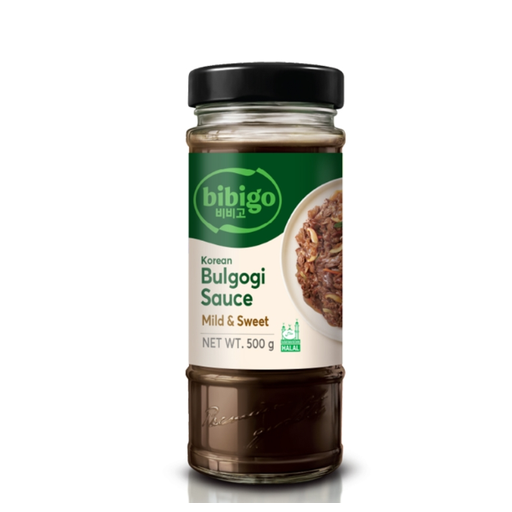
Why it suits this profile: The mild, sweet flavour is practical for a first taste of Korean BBQ and for family meals. Suitable for beef, chicken and vegetables, as well as grilling and stir-frying.
The clearly defined purpose helps prevent you from buying a very spicy chilli sauce when you are looking for a marinade for the whole family.
500 grams; ingredients include soy sauce, garlic, onion, pear and apple purée. Contains soya, wheat and sesame.
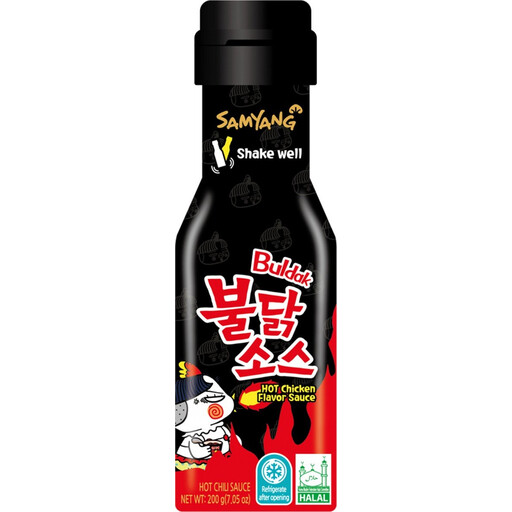
Why it suits this profile: For anyone who enjoys a pronounced spicy flavour and wants one sauce for noodles, chicken, rice, marinades and dips.
The small bottle makes portioning straightforward. The clear product positioning prevents confusion with a mild BBQ sauce.
165 ml squeezy bottle; suitable as a dip, marinade and cooking sauce. Contains soya and wheat.
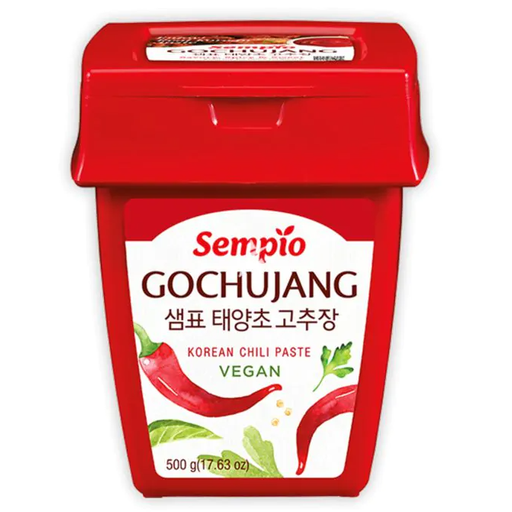
Why it suits this profile: The large pack is ideal for frequent home cooks and catering professionals who use gochujang in stir-fries, marinades and dips.
The product description states a moderate level of heat and a thick texture, allowing you to use the paste precisely where needed.
500 grams; suitable for stir-fries, dips and marinades. Contains soya, wheat and gluten.
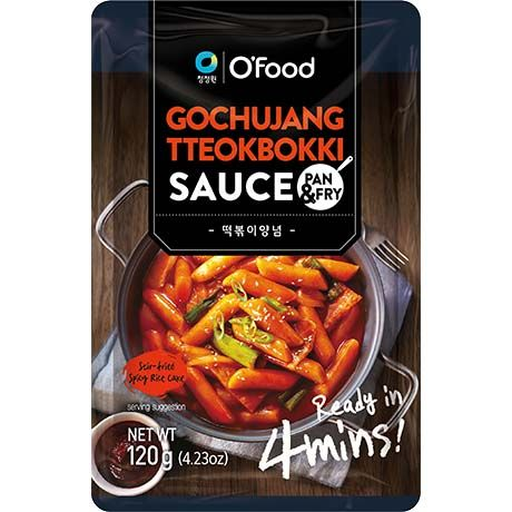
Why it suits this profile: A focused choice for anyone who wants to prepare tteokbokki without mixing several sauce ingredients themselves.
The small size helps limit waste when you mainly use the sauce for rice cakes or occasionally as a dip.
120 grams; suitable for dipping, marinating and seasoning. Contains wheat, mustard and sesame.
We have put together a complete, up-to-date list of products that fully meet these strict selection criteria and the applicable European safety regulations.
A mild bulgogi sauce is often approachable thanks to its sweet and savoury flavour and wide range of uses. Bibigo Bulgogi Sauce Mild & Sweet can be used with beef, chicken and vegetables. If you would rather choose a base product, gochujang allows you to adjust the spiciness yourself.
No. Gochujang is a thicker fermented red pepper paste with a savoury, sweet flavour. Korean chilli sauce may be more liquid and is often ready to use as a dip or topping. Always check the product name and preparation instructions.
This varies by product. Store the bottle according to the label, usually tightly sealed and refrigerated when indicated. You may wish to note the opening date and check the smell, colour and texture before using the sauce. The best-before information on the packaging takes precedence.
