
Vandaag of morgen in huis

Kwaliteit gegarandeerd

Welkomstaanbiedingen ontgrendelen: GRATIS bezorging | Tot 80% korting | Gratis 30 dagen JoyPlus-proefperiode
Download de app
The Korean kitchen is more popular than ever. From sizzling Korean BBQ to the spicy rice cakes from your favourite K-drama, the flavours are irresistible. But once you're in the supermarket or shopping online, the aisle of Korean sauce can be overwhelming. The wrong choice can make or break your dish. As a Product Recommendation Officer at Joybuy, I often see where things go wrong. Let's review the most common pitfalls so you can choose the right bottle with confidence.
The two biggest missteps when buying Korean cooking products are:
To avoid these mistakes, it's helpful to pay attention to a few key aspects. This will help you ignore the marketing jargon and focus on what really matters for your dish.
The first and most important question is: are you looking for a base ingredient to cook with from scratch, or a ready-to-use sauce for convenience?
Not every Korean sauce is the same. The label often provides a clear hint as to which dish the sauce is intended for.
To get you started, we've highlighted a few products that suit different cooking styles and needs. This selection is based on their product specifications and intended application.
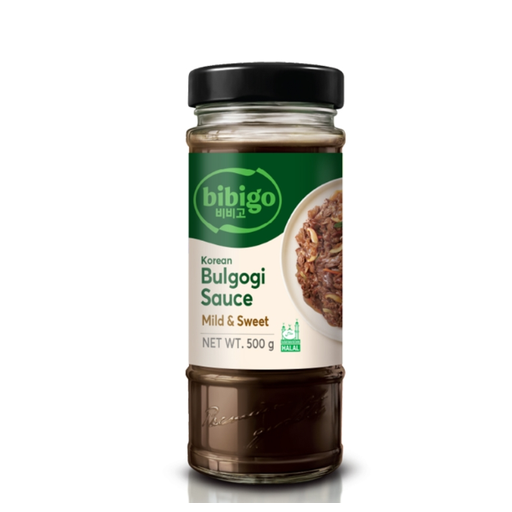
Why This Fits Their Persona: Ideal for those who want to quickly make a classic Korean dish. You just need to add meat and vegetables. The mild and sweet flavour makes it suitable for the whole family.
This is a specific bulgogi sauce, not a generic marinade. You avoid the "one-size-fits-all" pitfall and get the right flavour for this dish.
Contains Korean pear and apple purée for an authentic, natural sweetness. A ready-to-use solution for a quick meal.
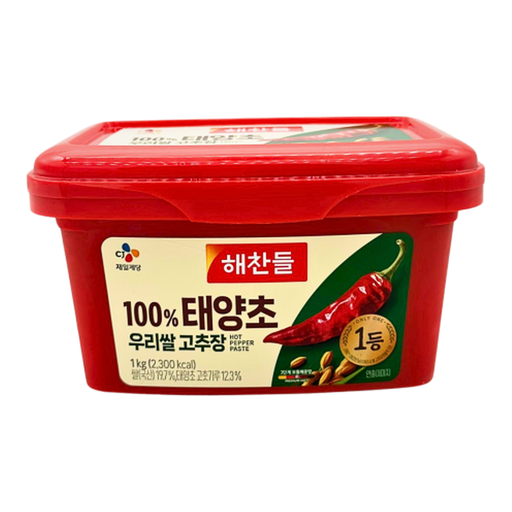
Why This Fits Their Persona: For the cook who wants to build a Korean pantry. This gochujang is a versatile base for stews, marinades, and sauces, allowing you to experiment on your own.
This product solves the paste confusion. It's a pure base ingredient, not a ready-to-use sauce. This gives you the control to build the flavour yourself.
Made with fermented brown rice and soybeans for a deep, complex flavour. The large 1 kg package is convenient for those who cook Korean food regularly.
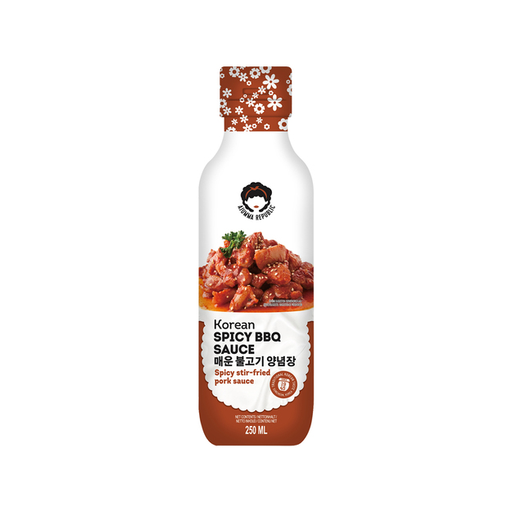
Why This Fits Their Persona: Perfect for lovers of Korean BBQ who are looking for a marinade with a spicy kick. Suitable for marinating pork, beef, or chicken for the grill or pan.
This sauce is specifically developed for BBQ. The flavour is tailored for grilling, which yields a better result than a generic, thinner marinade.
The addition of fruit extracts (pineapple, pear, apple) helps to tenderise the meat and provides a complex, sweet-and-spicy flavour balance.
We have compiled a complete, up-to-date list of products that meet these selection criteria and current regulations.
This is a common question. Gochujang is a thick, fermented paste made from chilli peppers, glutinous rice, fermented soybeans, and salt. It is a ready-to-use flavouring. Gochugaru, on the other hand, are dried Korean chilli pepper flakes or powder. It is a dry spice and one of the base ingredients for making kimchi or gochujang yourself.
Most Korean sauces and pastes, especially fermented varieties like gochujang and doenjang, have a long shelf life due to their high salt content. After opening, it is recommended to store them in the refrigerator. Ready-to-use marinades and sauces are best consumed within a few weeks to a month. Always check the label on the packaging for specific storage instructions.
Absolutely. Although bulgogi sauce is traditionally used for thinly sliced beef, its flavour profile (salty, sweet, garlicky) is also delicious with chicken (dak bulgogi) or pork (dwaeji bulgogi). It is a versatile marinade that lends itself well to different types of meat.
