
Vandaag of morgen in huis

Kwaliteit gegarandeerd

Welkomstaanbiedingen ontgrendelen: GRATIS bezorging | Tot 80% korting | Gratis 30 dagen JoyPlus-proefperiode
Download de app
Are you looking for Korean rice cakes, but keep coming across terms like tteokbokki rice cakes, topokki and Korean rice cakes? It helps to know the difference first. In the UK, “rice cake” often refers to a light, crispy snack. Korean rice cakes are usually soft, firm rice cakes that you cook in sauce or soup.
The right choice therefore depends on how you plan to use them: whether you want to make tteokbokki from scratch, you’re after an instant tteokbokki for the microwave, or you simply fancy a crispy Asian snack.
Not every product with “rice cake” in its name is suitable for tteokbokki. A rice cracker or puffed rice snack is meant to be eaten straight away. Rice cake sticks and sliced rice cakes, on the other hand, are designed to be soaked, cooked or heated.
So check the product shape:
“Sweet and spicy”, cheese, garlic-teriyaki and jjajang may sound clear, but the ingredients can vary a lot. A sauce might contain wheat, soya, milk or fish, for example. The level of spiciness also differs by brand and product.
Always check the ingredients list and allergen information on the packaging. Online information may differ from the physical label. The product listing therefore advises you to check the packaging, warnings and cooking instructions before use.
A 500g or 600g bag is practical if you cook Korean dishes often, but less convenient if you only need a single portion. Once opened, rice cakes must be stored in an airtight container. Also pay attention to any chilled storage instructions.
Choose a large pack for multiple meals or a small instant tteokbokki for a quick snack. That way, you avoid the texture deteriorating before you’ve used the product.
For classic tteokbokki, look for rice cakes for tteokbokki, usually labelled as tteokbokki rice cakes, tteokbokki rice cake sticks or topokki rice cakes. These are often cylindrical and absorb sauce well.
If you want to make a soup dish, sliced rice cakes are more suitable. For instant use, ready-made cups and pouches are convenient: just add water and heat according to the instructions.
Dry or chilled rice cakes can be briefly rinsed or soaked before cooking. For A+ Chopped Rice Cake, for example, the instructions say to rinse the strips under cold water for 20 to 30 seconds. Then you can cook them with gochujang, sugar, vegetables and optionally fish cake.
With an instant product, the method is different. The Yopokki Sweet and Spicy Topokki states: add 20 ml of water and heat at 1,000W for about 1 to 1.5 minutes. Microwave times can vary by appliance, so always follow the label.
Rice cakes are often made mostly from rice, salt and an acidity regulator such as E330. The sauce usually accounts for the main differences in flavour and allergens.
Pay particular attention to:
The MATAMUN Rice cake stick HALAL 600g is listed as halal in the product information and, according to the stated ingredients, contains rice, fermented salt, E330 and grain alcohol. Always check the current packaging and halal marking when you buy.
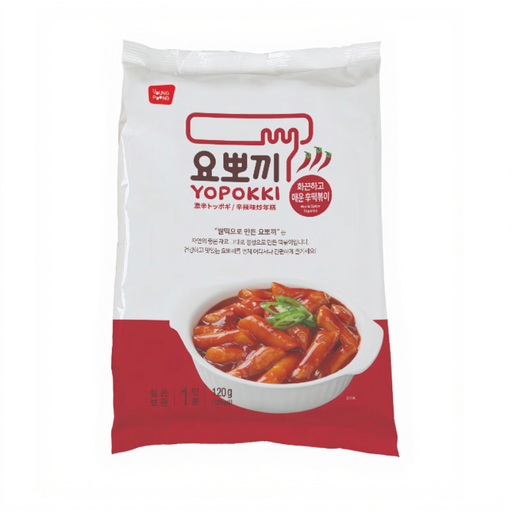
Why this suits the profile: A small portion with a ready-made flavour is handy if you want to try topokki for the first time without buying a large bag of rice cakes and separate sauce.
The packaging is designed as a single serving, so you don’t have to store a large quantity. The listed information does not mention any of the 14 main EU allergens; always check the current label yourself.
120 g per pack and a ready-made spicy flavour. The nutritional information states 268 kcal and 1.17 g salt per 100 g.
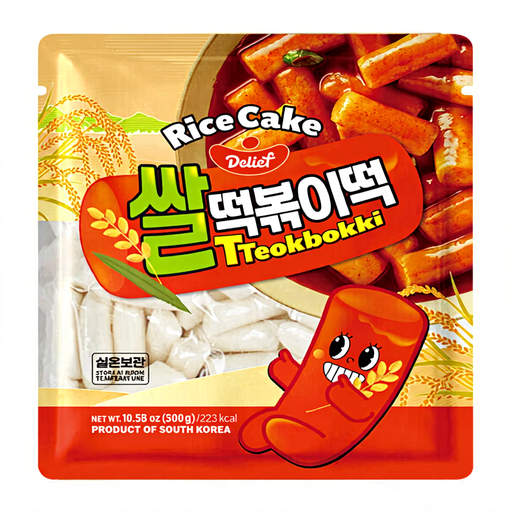
Why this suits the profile: Ideal for those who want to control the sauce, vegetables and spiciness themselves, and prefer a product from Korea as the base.
The pack contains 300 g rather than a very large bulk pack. The ingredients list 99% rice flour; you add the sauce and extra seasonings yourself.
Made in Korea according to the product information. Per 100 g: 223 kcal, 50 g carbohydrates and 0 g sugar.
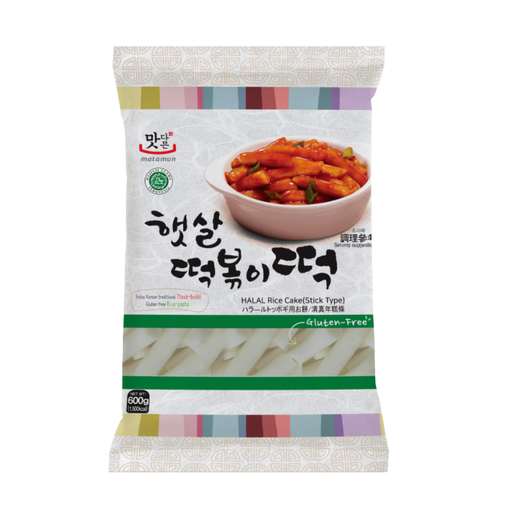
Why this suits the profile: A 600 g pack suits households that regularly make tteokbokki, stir-fries or other Korean meals.
The rice cake sticks are clearly intended as a base ingredient, not a ready-to-eat snack. According to the product information, it contains none of the 14 main EU allergens.
600 g content and halal mention in the product name. The ingredients list consists of rice, salt, E330 and grain alcohol.
We’ve put together a full, up-to-date list of products that fully meet these strict selection criteria and comply with current European safety regulations.
Korean rice cakes are rice cakes, also known as tteok. For tteokbokki, firm cylindrical rice cake sticks are usually used. They are heated in a spicy or sweet sauce. This is different from the crispy rice cakes you eat straight as a snack.
Rinse or soak the rice cakes according to the packaging. Then cook them in sauce until they are soft and elastic. Add gochujang, vegetables, spring onion and optionally fish cake, for example. If you’re using instant tteokbokki, add the stated amount of water and heat according to the microwave instructions.
The shelf life varies by product and is stated on the packaging. Store unopened products in a cool, dry place away from direct sunlight. Seal an opened pack tightly. For products with chilled storage instructions, such as some instant varieties after opening, keep them at 0–4 °C. Always check the smell, packaging and current best-before information before use.
