
Vandaag of morgen in huis

Kwaliteit gegarandeerd

Welkomstaanbiedingen ontgrendelen: GRATIS bezorging | Tot 80% korting | Gratis 30 dagen JoyPlus-proefperiode
Download de app
The shelves of Korean ramen seem endless. Colourful packaging promises intense flavours, from creamy carbonara to challenges that put your taste buds to the test. But this abundance of choice can also lead to disappointment: a noodle soup that was actually meant to be eaten dry, or a flavour that is nothing like you expected.
Before you stock up on a value pack of noodles, it's helpful to know a few common pitfalls. This way, you can avoid buyer's remorse and find the instant noodles that are right for you from the get-go.
Pitfall 1: The "Soup or Dry?" Surprise One of the most common mistakes is preparing stir-fry noodles (bokkeum-myeon) like a traditional noodle soup. Brands like Samyang Buldak are often meant to be drained after cooking, after which you mix in the sauce. If you don't, you'll end up with a watery, bland meal instead of the rich, concentrated flavour that was intended.
Pitfall 2: Vague Spice Claims Packaging adorned with flames doesn't always mean the same thing. The spiciness of Korean ramen varies enormously. Some are mild and savoury, while others, like the notorious ‘2x Spicy’ varieties, are truly meant for the seasoned lover of spicy food. Without a clear indication, it's a gamble that can make or break your meal.
To buy the right Korean ramen, you don't need to decipher ingredient lists. Just pay attention to a few simple characteristics that tell you exactly what kind of meal to expect.
The most important question is: do you want a bowl of steaming noodle soup or a plate of dry, sauce-coated noodles?
Korean instant noodles are more than just spicy. The flavours are diverse and cater to different preferences.
How do you know how spicy something is? Look at the name and the product line.
Below are a few popular choices, matched to different tastes and preferences.
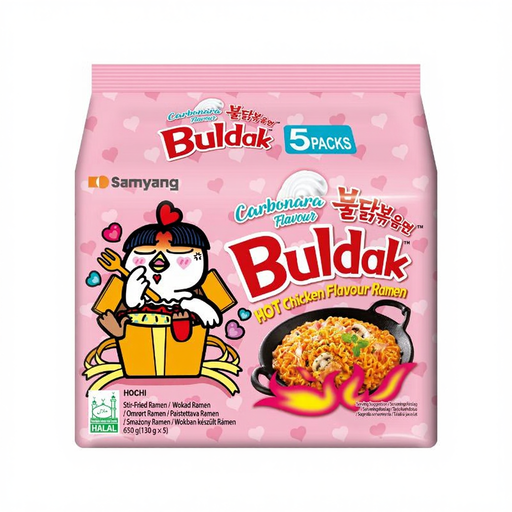
Why This Fits Their Persona: For those who want to experience the spicy kick of Buldak, but with a soft, creamy finish. The carbonara powder perfectly balances the heat, making it an approachable yet exciting meal.
This is a stir-fry noodle. The instructions make it clear to drain the water, ensuring you get the intended creamy sauce, not a watery soup.
Combination of spicy and creamy. Thick, firm noodles that pair well with the sauce. A value pack is convenient for students and enthusiasts.
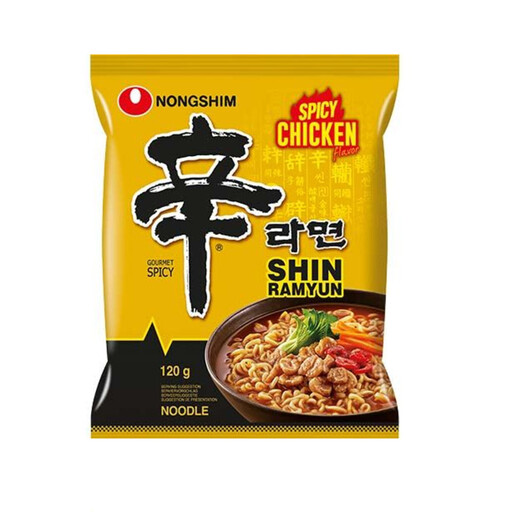
Why This Fits Their Persona: For those seeking the archetypal Korean noodle soup. A savoury, umami-rich broth with a satisfying spice level that doesn't overwhelm. This is comfort food in a bowl.
This is a pure soup noodle, so there's no room for confusion. The spice level is consistent and a good benchmark for other spicy ramen; it's spicy, but not extreme.
A globally recognised classic. Balanced, savoury, and spicy flavour. Comes with dried vegetables and mushrooms for added texture.
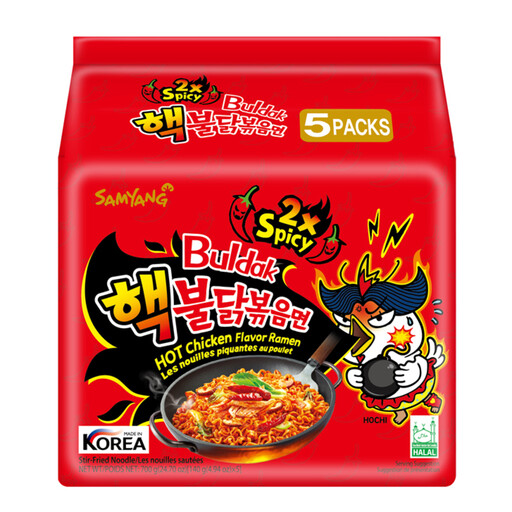
Why This Fits Their Persona: This is the ramen for anyone taking on the 'spicy noodle challenge'. The '2x Spicy' in the name isn't a marketing gimmick; it's a promise of intense heat that will test your taste buds to their limits.
The name and packaging are extremely clear about the spice level, so you know exactly what you're getting into. It's a stir-fry noodle, which makes the heat even more concentrated.
One of the spiciest instant noodles on the market. Iconic for food challenges. The sweet undertone of the chicken flavour still comes through the heat.
Whether you prefer mild, creamy, or extremely spicy, there's a Korean ramen that's perfect for you. Explore our full range and find your new favourite.
The easiest way to upgrade your instant noodles is by adding toppings. A soft-boiled or fried egg, a slice of American cheese, some finely chopped spring onions, or strips of nori (seaweed) can transform a simple meal.
Although both fall under the 'ramen' umbrella, there are clear differences. Instant Korean ramen (ramyun) is known for its spicy, bold flavours and often thicker, chewier noodles. Instant Japanese ramen more often focuses on the broth, with classic flavours like tonkotsu (pork bone broth), miso, or shoyu (soy sauce), which are generally less spicy.
No, definitely not. While the spicy varieties are the most famous, there are countless mild options available. Think of flavours like Jjajangmyeon (black bean sauce) or non-spicy beef or chicken broths. Check the packaging carefully; if there are no flames or warnings on it, chances are it's a mild variety.
