
Vandaag of morgen in huis

Kwaliteit gegarandeerd

Welkomstaanbiedingen ontgrendelen: GRATIS bezorging | Tot 80% korting | Gratis 30 dagen JoyPlus-proefperiode
Download de app
Shelves, both in-store and online, are packed with colorful packages of Korean ramen. The selection is huge, and it can be tough to decide which flavor is right for you. Are you looking for a creamy, mild meal or an extremely spicy challenge? This article will help you get started. We'll highlight some popular choices and give you practical tips, making it easier to buy the right instant noodles that match your taste.
Before we dive into specific products, here are a few key points to consider that will help you make your choice. This will make searching for Korean groceries online much simpler.
Korean noodles are famous for their spiciness, but the intensity varies greatly. Brands often use their own scale or visual indicators on the packaging. If you're looking for spicy noodles, look for terms like 'Hot', 'Spicy', or 'Teumsae' (which means 'gap' and indicates an intense flavor). The Buldak ramen from Samyang is notorious for its heat. If you're less adventurous, opt for varieties labeled 'Mild' or flavors like cheese or carbonara, which soften the heat.
Not all Korean ramen is a soup. There's an important distinction:
Korean ramen is often sold in multipacks of 4, 5, or even 10. If you want to try a new flavor, a single pack is a great start. Already know what you like? Then a value pack is often a smarter and more economical choice.
Based on popularity and unique flavor profiles, we've compiled a list of interesting options for you.
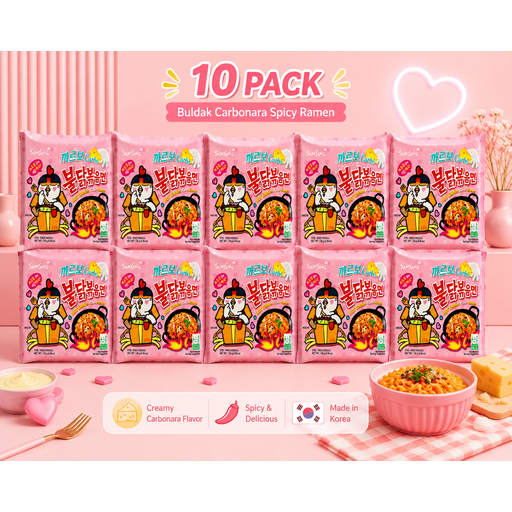
Why it stands out This version combines the famous spicy chicken flavor of the Buldak series with a creamy, cheesy carbonara sauce. The result is a unique balance between spicy and smooth, making it an approachable choice within the notorious Buldak line.
Pros
Who is it for? For lovers of Korean cuisine who want to experience the heat of Samyang noodles but with a creamy twist that takes the edge off. It's also a good stepping stone for those who find the standard Buldak too intimidating.
View SAMYANG Hot Chicken Ramen Carbonara
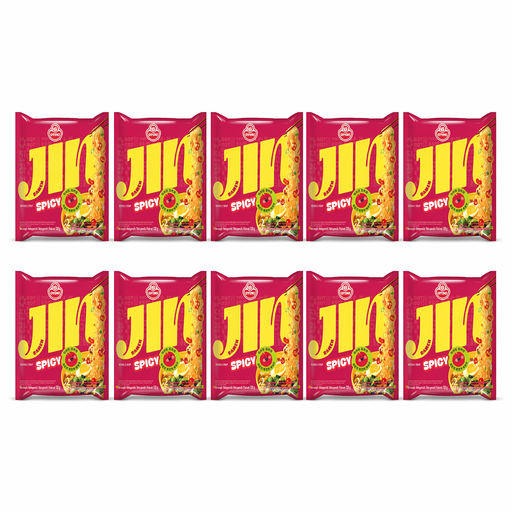
Why it stands out Jin Ramen is one of the most beloved classics in South Korea. The 'Spicy' version offers a deep, savory broth with a pleasant but not overwhelming spiciness. It's a reliable choice for an authentic Korean noodle soup experience.
Pros
Who is it for? Ideal for anyone looking for a classic Korean noodle soup. If you like Shin Ramyun, this is an excellent alternative to try. It's a perfect, quick meal for a cold day.
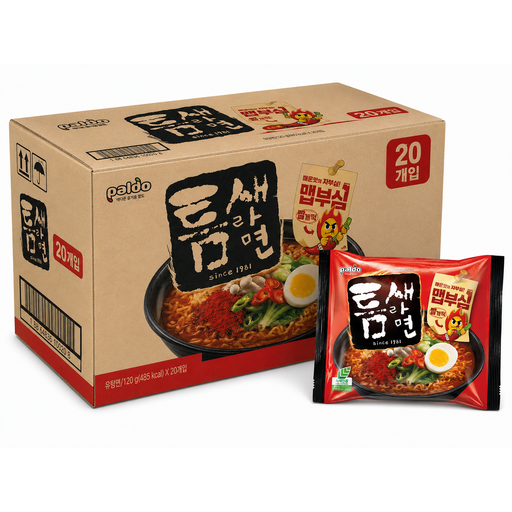
Why it stands out Teumsae Ramyun has a reputation. This is one of the spiciest non-Buldak noodle soups on the market. The broth is deep red and has an intense, smoky chili flavor that lingers. This is not a ramen for beginners.
Pros
Who is it for? Exclusively for the seasoned enthusiast of spicy noodles. If you've tried the Samyang 2x Spicy and are looking for a new challenge in soup form, Teumsae Ramyun is a logical next step.

Why it stands outShin Ramyun is arguably the most recognizable Korean instant noodle worldwide. It's the gold standard for many. The savory, spicy broth with notes of beef and mushroom is iconic. It's spicy, but the focus is primarily on the deep, umami-rich flavor.
Pros
Who is it for? For everyone. Whether you're new to the world of Korean ramen or a veteran craving a familiar, satisfying meal. Shin Ramyun is a crowd-pleaser.
The world of Korean ramen is bigger than just these four choices. There are countless other varieties, from seafood broths and black bean sauce (Jjajangmyeon) to cold noodles. If you're curious about the full range, there's much more to discover.
? Check out our full range of instant noodles here
While both consist of noodles in broth, there are clear differences. Japanese ramen often focuses on a slow-simmered, complex broth (like tonkotsu or miso) with various toppings. Korean instant ramen (ramyun) is known for its quick preparation and often has a more powerful, spicier, and more pronounced flavor, usually based on chili and garlic.
You can easily upgrade your meal. For example, add a soft-boiled egg, some spring onions, slices of cheese (which melts wonderfully in the hot soup), or leftover meat or vegetables. A dash of sesame oil can also enhance the flavor.
Generally, the Buldak ramen from Samyang, especially the '2x Spicy' and '3x Spicy' versions, are considered the spiciest on the market. Paldo Teumsae Ramyun is a strong competitor when it comes to noodle soups. Always read the packaging, as the spiciness level is often clearly indicated.
