
Vandaag of morgen in huis

Kwaliteit gegarandeerd

Welkomstaanbiedingen ontgrendelen: GRATIS bezorging | Tot 80% korting | Gratis 30 dagen JoyPlus-proefperiode
Download de app
Korean noodles come in many forms, from quick instant meals and spicy Korean noodles to soft udon, jjajangmyeon noodles and Korean glass noodles for japchae. The differences are not limited to flavour. Preparation time, packaging, ingredients and allergens also determine whether a product suits your kitchen.
If you buy Korean instant noodles without comparing them first, you can quickly run into a few familiar pitfalls.
Terms such as “Korean BBQ”, “beef stew” and “hot chicken” mainly describe the flavour profile. The contents can vary considerably: some packs contain noodles only, while others include a soup base, oil, vegetables or several sachets. Always check the ingredients list and preparation instructions.
Spicy Korean noodles often contain chilli powder, chilli sauce or chilli oil. Instant products can also contain a considerable amount of salt. Namdong Beef Jjigae Noodles, for example, contain 6.3 grams of salt per 100 grams. That does not mean you need to avoid the product, but it does mean you should choose the portion size and any additional seasonings carefully.
Glass noodles are suitable for japchae, stir-fries and salads, but have a different texture from wheat noodles. Jjajangmyeon noodles are designed to carry a rich, thick sauce. Korean cold noodles are more practical for chilled dishes. A thin soup noodle will not automatically work well in every recipe.
Start by checking the basics:
Product information on an online shop may change. If you have allergies, always check the packaging before using the product. For example, Samyang Buldak Hot Chicken Carbonara lists gluten, wheat, soya, milk and celery as allergens.
Texture has a major influence on the final result:
Also check whether the noodles require any preparation beforehand. According to the product description, Wang Korean-Style Vermicelli Noodles should be soaked for around 20 minutes and then boiled for 6 to 7 minutes. According to the instructions, Golden Pagoda Fresh Udong Noodle is ready after just 1 to 2 minutes of boiling.
A multipack is useful if you eat noodles regularly, but not every large pack is suitable for occasional use. Compare the total weight, number of portions and best-before date. Wang Jjajangmyeon Noodles is available in a 1.36 kg pack, while the jjajangmyeon variant is also available in 453 grams.
Dry noodles should generally be stored in a cool, dry place away from direct sunlight and moisture. Fresh udon and ready-to-eat bowls may have different storage requirements. Always follow the label instructions and do not use a pack if it is damaged.
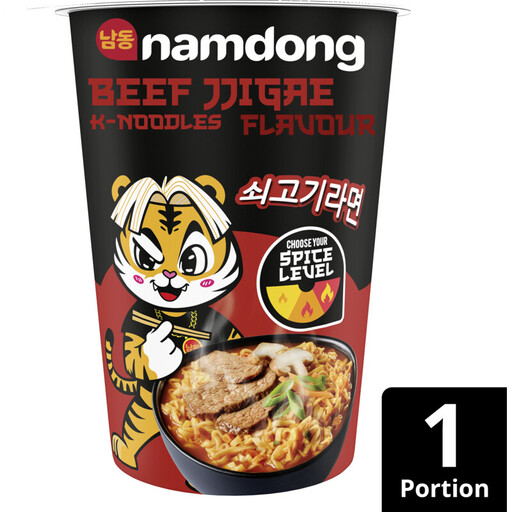
Why it suits this profile: A single serving containing noodles, stock, oil and vegetables. According to the product information, this meal is ready to serve after approximately four minutes of standing time.
The individual pack makes it clear how much you are buying. The allergen information lists wheat and soya; traces of ingredients including egg, milk and sesame may also be present.
83 grams per pack, four-minute preparation and a beef soup base included.
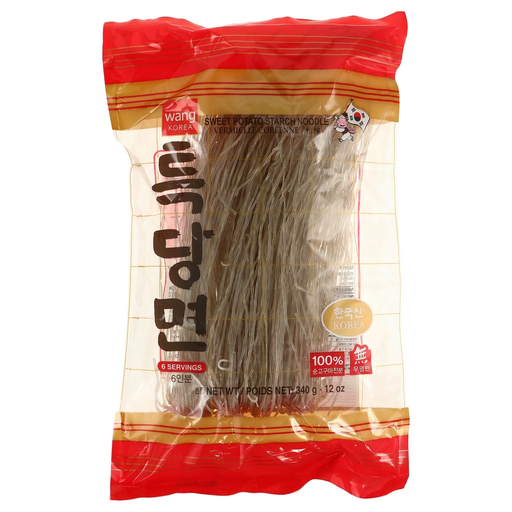
Why it suits this profile: The product description states that it contains 99.9% sweet potato starch and has a springy, translucent texture, making it suitable for japchae, stir-fries, soups and salads.
The ingredients are straightforward: sweet potato starch and water. However, it does require soaking and boiling, so it is not an instant product.
340 grams, a neutral flavour and suitability for a range of Asian dishes.
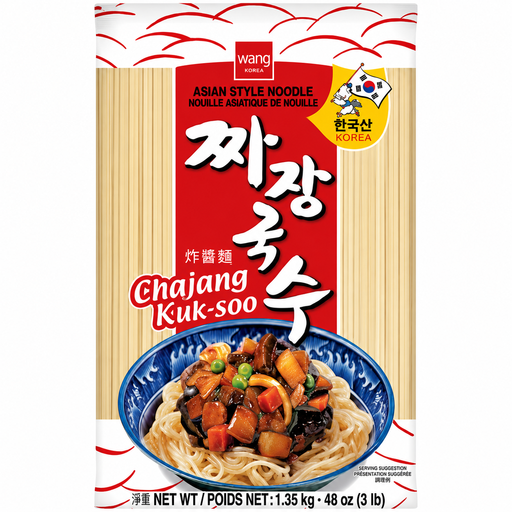
Why it suits this profile: A large pack for anyone who regularly makes jjajangmyeon or wants to stock up. The ingredients list includes wheat flour and salt.
The size is clearly stated as 1.36 kg. You are buying the noodles only, so you can choose your own sauce, vegetables and source of protein.
Large total weight, simple ingredients and a specific focus on jjajangmyeon.
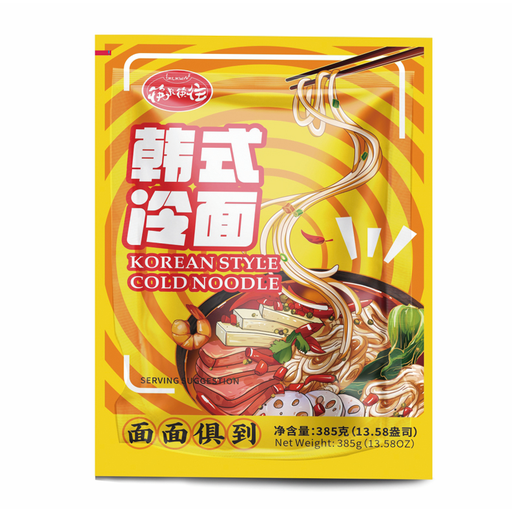
Why it suits this profile: This set contains noodles, soup base, sesame chilli oil and sauce for a sweet-and-sour cold noodle dish.
The preparation instructions specify briefly boiling the noodles, rinsing them and adding the sachets. This means you do not need to assemble all the seasonings yourself.
385 grams, several flavour sachets and preparation with cold water and chilled toppings.
We have put together a complete, up-to-date list of products that fully meet these strict selection criteria and the applicable European safety requirements.
Choose Korean glass noodles or sweet potato noodles. They become springy and absorb sauce well. Check the soaking and cooking times, as these vary depending on the brand and thickness.
The best-before information is printed on the packaging. Store unopened dry instant noodles in a cool, dry place away from direct sunlight. Once opened, it is best to keep the loose noodles and seasoning well sealed.
No. Jjajangmyeon noodles, neutral udon noodles and many glass noodles do not contain spicy sauce themselves. The heat usually comes from an included stock, chilli sauce or oil. Check the ingredients and add seasonings gradually.
