
Vandaag of morgen in huis

Kwaliteit gegarandeerd

Welkomstaanbiedingen ontgrendelen: GRATIS bezorging | Tot 80% korting | Gratis 30 dagen JoyPlus-proefperiode
Download de app
The world of Korean noodles is vast: from the quick, spicy ramyun you see on social media to the delicate glass noodles in a traditional dish. But with so much choice, it's easy to grab the wrong kind, leading to a disappointing result in the kitchen. If you've ever made a dish where the noodles turned out too mushy, too bland, or were simply the wrong fit, you're not alone. We'll help you avoid the most common pitfalls and choose the perfect noodle for your meal.
Before you add anything to your cart, it's good to know what often goes wrong. Many disappointments are easy to prevent.
You don't need to be an ingredients expert to make the right choice. Just pay attention to these three simple but crucial characteristics.
The noodle's base determines everything: texture, flavour, and which dish it's suited for.
The shape and thickness of the noodle determine its mouthfeel and how well sauce clings to it.
Below are some popular choices, matched to different cooking styles and needs.
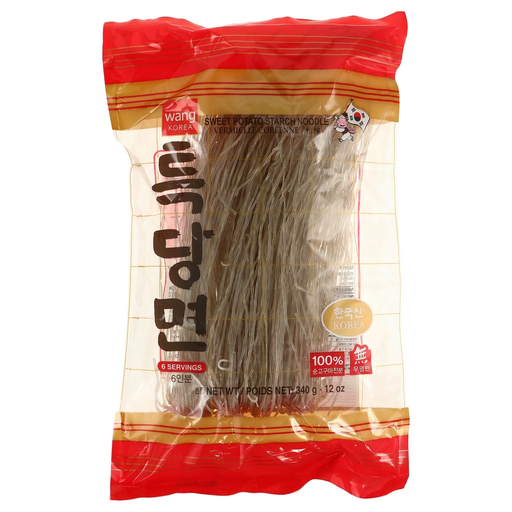
Why This Fits Their Persona: Ideal for those who want to make authentic Korean dishes like Japchae. These glass noodles provide the signature springy texture that is essential for this type of stir-fry.
These are the specific glass noodles made from sweet potato starch required for Japchae. This prevents the texture mismatch from pitfall #1. The ingredient list is simple and clear, with no unnecessary additives.
Made from 99.9% sweet potato starch, which ensures an authentic, chewy texture. Naturally gluten-free and absorbs sauces perfectly.
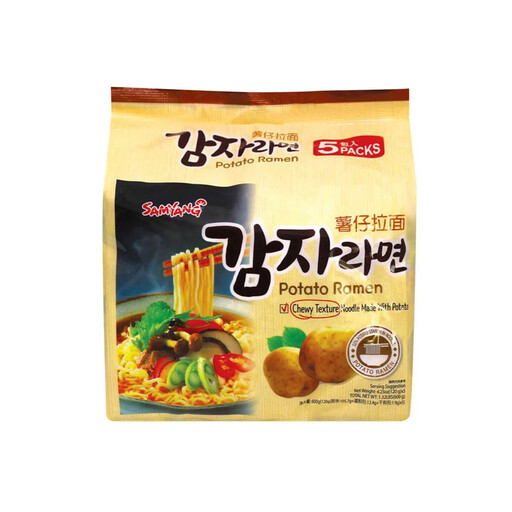
Why This Fits Their Persona: Perfect for students or anyone looking for a quick, flavourful, and filling meal. These Korean instant noodles are ready in minutes and come in a convenient value pack.
This is clearly an instant ramyun, designed for convenience. The packaging and the Samyang brand are known for their spicy flavours, so you know what to expect and won't be misled by a vague "spicy" claim.
The noodles contain potato starch, which gives them an extra firm and chewy texture. The broth is rich and spicy, a hallmark of the Samyang brand.
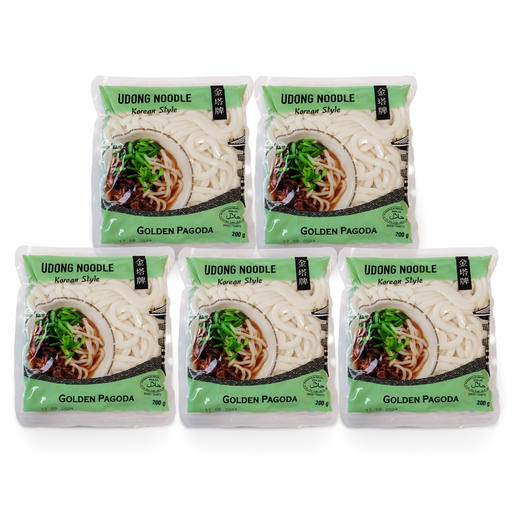
Why This Fits Their Persona: For those who want to make an authentic bowl of udon soup or a stir-fry at home. These fresh udon noodles offer the thick, soft texture characteristic of the dish and are ready in a flash.
By specifically choosing udon noodles, you get the right foundation for your dish. Their neutral flavour is an advantage: they are designed to fully absorb the taste of your homemade broth or sauce.
Silky, thick texture that is characteristic of udon. Because they are fresh and pre-cooked, the cooking time is only 1-2 minutes, which is much faster than dried versions.
We have compiled a complete, up-to-date list of products that meet these selection criteria and current standards.
What is the difference between Japanese ramen and Korean ramyun? Although the names are similar, there are clear differences. Korean ramyun almost always refers to Korean instant noodles, which are known for their bold and often spicy noodle flavour profiles. Japanese ramen is more often a dish prepared from scratch in restaurants, with a complex, slow-simmered broth and fresh toppings. The noodles themselves can also differ in texture and thickness.
How do I keep my glass noodles (japchae noodles) from sticking together? A common problem with a simple solution. First, soak the dried noodles in warm water for about 20 minutes to soften them. Then, cook them according to the package directions (usually 6-7 minutes). The most important step: drain them and immediately rinse with cold water. This stops the cooking process and washes away excess starch. Afterwards, toss them with a small dash of sesame oil to prevent sticking for good.
Are all Korean noodles gluten-free? No, definitely not. Most popular types, like ramyun, udon, and jjajangmyeon noodles, are made from wheat and therefore contain gluten. If you follow a gluten-free diet, glass noodles (dangmyeon) made from 100% sweet potato starch are an excellent choice. Always read the ingredients label to be sure.
