
Vandaag of morgen in huis

Kwaliteit gegarandeerd

Welkomstaanbiedingen ontgrendelen: GRATIS bezorging | Tot 80% korting | Gratis 30 dagen JoyPlus-proefperiode
Download de app
Korean noodles are available as dried wheat noodles, fresh udon, instant ramen and cold noodles. This broad selection can make comparing products difficult. A package with an eye-catching flavour name does not always tell you much about the texture, cooking time or suitability for your dish.
Pay particular attention to these three common purchasing pitfalls:
Always check the ingredients, allergens, nutritional information and best-before date on the packaging. Product information in an online shop may differ from the current label.
Thick noodles generally have a firm, satisfying bite and work well in broths, stir-fries and hotpot. Korean udon noodles are often broad, smooth and mild in flavour, allowing them to absorb sauces and broth easily. According to the product description, Golden Pagoda Fresh Udong Noodle Korean Style takes 1 to 2 minutes to prepare and is intended for soups, stir-fries and hotpot.
Thin noodles usually cook more quickly and work well in light soups, cold preparations and dishes with a less intense sauce. According to the label, Ottogi Thin Noodles pk 500g contains wheat and salt and can be used for noodle soup, udon, curry noodles and jjajangmyeon, among other dishes.
For noodles for jjajangmyeon, a smooth, firm base is a practical choice. The black-bean sauce is relatively rich and thick. Noodles that hold their shape well help keep the dish balanced.
A simple base may consist of wheat flour, salt and water. This is the case with Sempio Thick Square Wheat Noodles 650 g, WANG Noodles Knife-Cut 1.36 KG and WANG Jjajangmyeon Noodles. These products contain wheat and are therefore unsuitable for people who need to avoid gluten.
Instant products often list multiple flavourings and allergens. According to the product information, Youngpoong Nurea Noodle Red Kimchi contains wheat, soy, fish and molluscs, among other ingredients. Nongshim Shin Ramyun Kimchi Stir-Fry lists wheat, sesame and soy, and may contain traces of egg, milk, peanuts, fish and crustaceans.
Always check the following:
A single serving of instant ramen is convenient for a quick meal. Namdong Kimchi Stew Noodles, for example, are prepared as an 83-gram serving, while Ottogi Jin Ramyun Mild is sold in a pack containing 6 servings of 65 grams each. A multipack can be practical if you eat the product regularly, but less suitable if you want to explore a range of Korean flavours.
Pay attention to the unit used for nutritional values. The stated quantity often applies per 100 grams, not to the full package. Paldo Bibim Men, for example, lists 418 kcal per 100 grams and 11 grams of sugar per 100 grams. Ottogi Jin Ramyun Mild lists 3.9 grams of salt per 100 grams. The actual value per meal depends on the serving size and how much of the seasoning mixture you use.
The selection below is based on the stated format, ingredients, weight, preparation method and possible uses. Availability and product information may change.
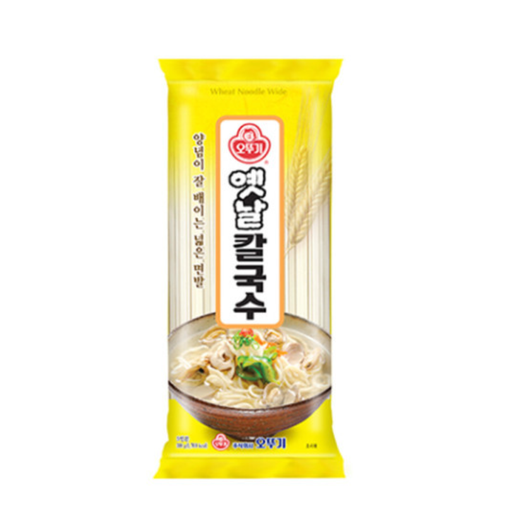
Why This Fits Their Persona: A neutral 500-gram pack gives novice home cooks the flexibility to try several Asian noodle dishes without immediately committing to a large food-service format.
The product information lists wheat and salt as ingredients, without tying the noodles to a single seasoning profile. You can therefore add your own broth, sauce or vegetables.
500 g pack; suitable for noodle soup, stir-fries and jjajangmyeon according to the product description.
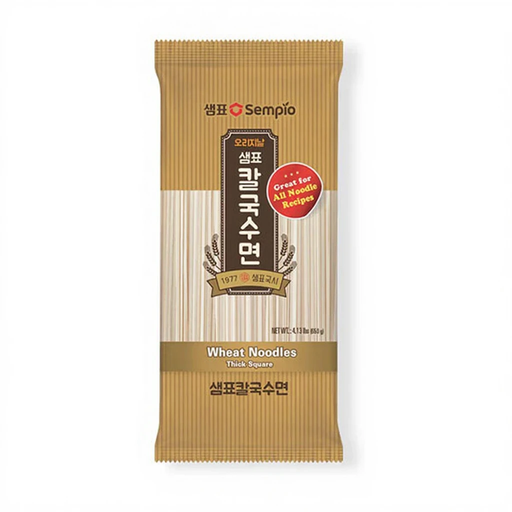
Why This Fits Their Persona: Anyone who regularly prepares ramen, soup or stir-fries can benefit from a versatile noodle staple that is not tied to a single ready-made flavour.
The thick, square shape makes the noodle style clear before purchase. According to the label, the noodles are intended to be fully cooked in boiling water.
650 g pantry format; simple ingredients list containing wheat flour, salt and water.
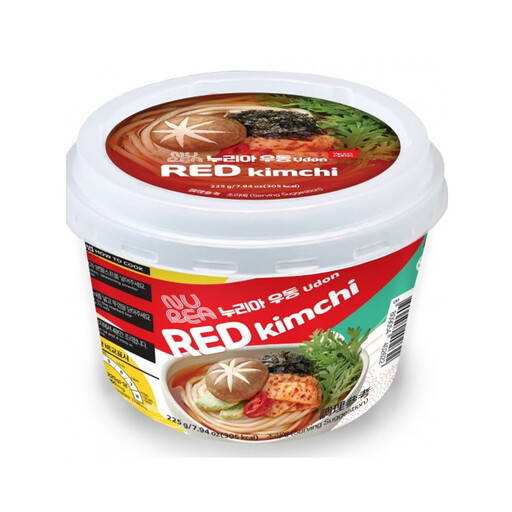
Why This Fits Their Persona: This portion-sized pack is designed for anyone who wants to prepare a bowl of kimchi noodles quickly, without having to source every seasoning separately.
The product description states a 4-minute preparation time and clearly identifies the fish, soy and mollusc allergens present.
225 g total weight; noodles and seasoning components included; preparation time according to the product information: 4 minutes.
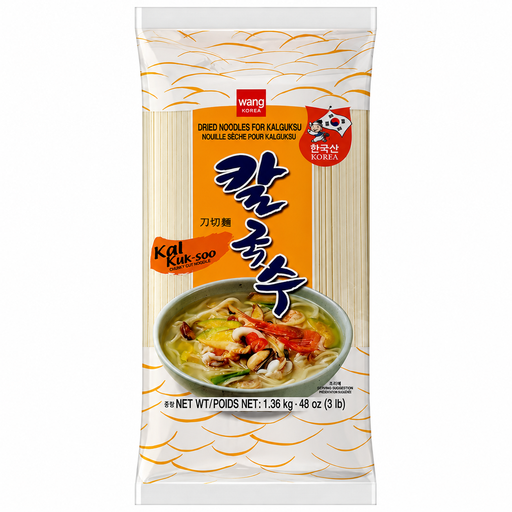
Why This Fits Their Persona: The large format suits households that regularly prepare Korean soups, knife-cut noodles or hotpot.
You choose a large pack based on how often you use it, rather than simply being swayed by the lower price per gram.
1.36 kg pack; ingredients according to the product information: 97% wheat flour, salt and water.
Browse a current selection of Korean knife-cut noodles and compare the format, ingredients and uses of each product.
For cold Korean noodle dishes, choose varieties that are rinsed after cooking. According to the preparation instructions, Paldo Bibimmen is boiled for 3 to 4 minutes and then rinsed under cold water two to three times. Kuai Lai Kuai Wang Korean Cold Noodles also comes with soup and sauce sachets for cold preparation. Always check that the product is specifically intended to be served cold.
Korean ramen is often sold as an instant product with a seasoning base and a cooking time of just a few minutes. Udon noodles are generally thicker and milder in flavour. They are commonly used in soups, stir-fries and hotpot. So do not look only at the name—also consider the shape, weight and preparation time.
Store dried and instant noodles according to the product information in a cool, dry place away from sunlight, heat and moisture. Seal opened packaging securely. Before use, check the label, best-before date and any warning concerning damaged packaging. Fresh udon and opened products may require additional storage precautions; follow the instructions on the packaging.
