
Livraison le jour même et le lendemain

Qualité garantie

Débloquez vos offres de bienvenue: Livraison GRATUITE | Jusqu'à -80 % | 30 jours d'essai gratuits à JoyPlus
Téléchargez l'application
A Korean lip tint can offer a subtle hint of colour, shine and a nourishing feel all at once. Yet not every product is the same. Some formulas work more like a lip balm, others give a matte finish or, according to the product description, leave a layer of colour behind. For make-up lovers in the UK, three pitfalls are particularly important: marketing claims that aren’t clearly backed up, the wrong finish for your daily routine, and a colour that looks different online than it does on your lips.
With this practical selection guide, you can compare K-beauty lip products by product type, ingredients, wear feel and when you’ll use them.
Brands use terms like hydrating, nourishing or comfortable. On its own, that doesn’t tell you how much moisture your lips will retain or how long the feeling lasts. So check the ingredients list and product format. A tinted lip balm often contains oils, waxes or butters, whereas a classic tint is usually thinner and more colour-focused.
A hydrating lip tint can be handy for everyday use, but if you have very dry lips, a separate lip treatment is sometimes more practical. Also look out for fragrance and colourants if you know you’re sensitive to them.
A long-lasting lip tint is often chosen because you want to reapply less often. According to the product descriptions from various brands, some tints can be transfer-resistant or leave a colour layer on the lips. However, that’s no guarantee of the same wear time for every user. Eating, drinking, oily products and the condition of your lips all play a part.
A tint that stays put for a long time can also be harder to remove evenly. Use a gentle make-up remover and don’t rub your lips too hard.
A glossy lip tint or Korean lip gloss reflects light and can feel pleasant, but it attracts dust or hair more quickly than a matte formula. A matte lip tint looks more understated and is often chosen for a blurred, soft lip look. On the flip side, dry patches can become more noticeable.
So don’t just look at the colour name. Also search for terms like balm, glaze, gloss, velvet, airy matte or essence.
First, choose the type that suits your routine:
For on-the-go, a stick or tube is easy. A liquid tint with an applicator can offer more precision, but requires a bit more care when applying.
Check the INCI list for ingredients you already know or want to avoid. In the product information provided, ingredients include jojoba oil, shea butter, macadamia oil, vitamin E, waxes and hyaluronic acid compounds. The presence of an ingredient doesn’t automatically prove a certain effect; look at the full formula and your own experience.
If you’re looking for vegan lip products, check the product page and packaging. Some variants list vegan as a product specification, such as the rom&nd Glasting Melting Lip Balm 06 Kaya Fig and the Torriden Solid In Ceramide Lip Essence. Always check the current packaging, as formulas can change.
A nude tint is practical for work or everyday make-up, while terracotta, red-brown and berry shades give more emphasis. Pay attention to:
An online colour display can differ due to screen settings and your natural lip colour. So look for the official colour name and the description of the undertone.
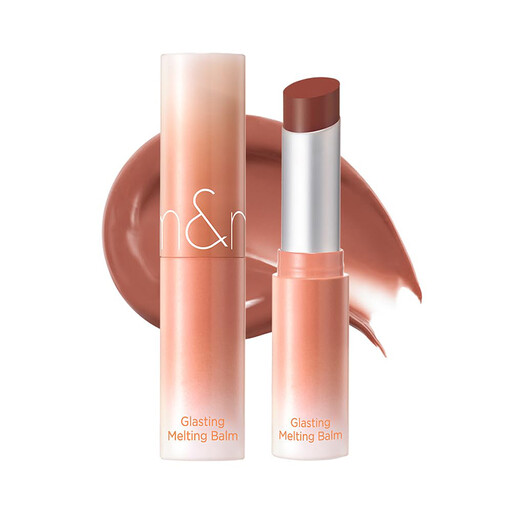
Why this fits the profile: The nude tint and balm texture are practical for anyone who wants to create a calm everyday look with just one layer.
The product description mentions a light, non-sticky formula and makes it clear that this is a tinted balm, not a fully matte tint.
Stick format, Scottish Nude colour and ingredients such as argan oil, macadamia oil and candelilla wax according to the product information.
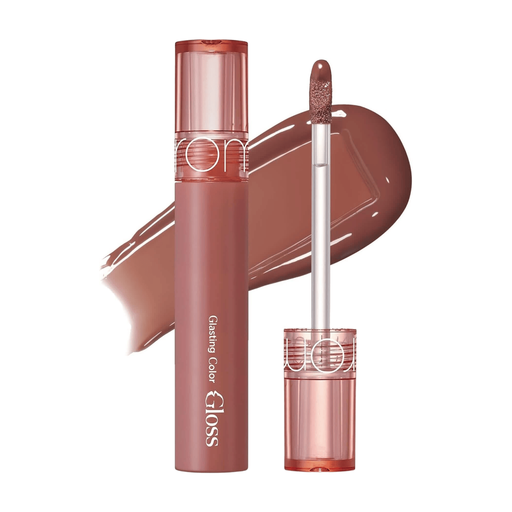
Why this fits the profile: The deep earthy shade and glossy finish suit anyone who pays more attention to colour and finish.
The description explicitly mentions a non-sticky, high-shine texture and the option to wear the product over lipstick.
Liquid glaze, jojoba oil in the ingredients list and buildable colour intensity according to the product information.
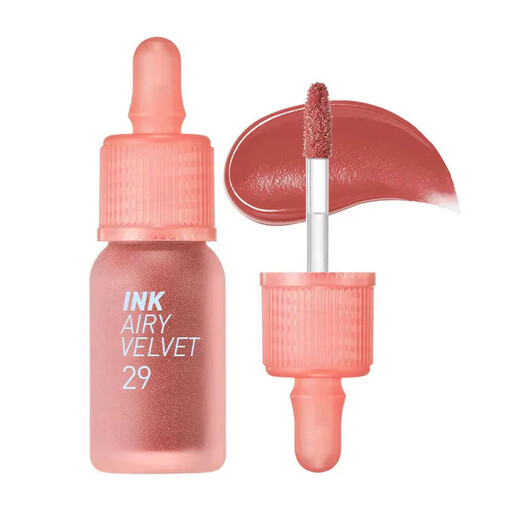
Why this fits the profile: The terracotta red-brown shade and matte, lightweight texture are suitable for a defined lip look that you can build up.
The product description mentions a matte finish and a buildable colour, so you don’t have to apply a fully opaque result straight away.
Lightweight texture, matte finish and colour 29 Terracotta Red - Brown; the brand also mentions a transfer-resistant formula.
We’ve put together a full, up-to-date list of products that fully meet these strict selection criteria and comply with current European safety regulations.
For a balm or glossy formula, start by applying a thin layer and then add colour to the centre of your lips. For a matte tint, a small amount often works more evenly than a thick layer. If you want a soft Korean gradient look, gently dab the edges with a fingertip or a small brush.
Always check the ingredients and expiry information on the packaging before use. Store lip products in a cool, dry place away from direct sunlight. Stop using them if irritation occurs and avoid contact with the eyes. It’s best not to share a lip product with others.
No. A lip gloss usually gives mainly shine and can be transparent or lightly tinted. A lip tint is generally more colour-focused and can, according to the product description, leave a colour layer behind. Some products, such as a glossy tint or lip glaze, combine both properties.
That varies depending on the formula, the amount of product, and eating and drinking. Brands may mention a long-lasting or transfer-resistant effect, but this isn’t a fixed wear time for every consumer. A thin layer that has dried well often wears differently to a balm or gloss.
A balm-like tint with oils, butters or waxes can feel comfortable on dry lips. It’s wise to use a separate lip balm first if your lips feel tight. Check the ingredients list and stop using it if irritation occurs. Suitability depends on your personal reaction to the formula.
