
Vandaag of morgen in huis

Kwaliteit gegarandeerd

Welkomstaanbiedingen ontgrendelen: GRATIS bezorging | Tot 80% korting | Gratis 30 dagen JoyPlus-proefperiode
Download de app
Korean instant noodles are ideal for a quick lunch, late-night snack or simple meal. However, not every pack is the same. The difference is not just in the level of heat. Preparation method, portion size, allergens and shelf life also determine whether a product is right for you.
Three common pitfalls:
First, think about how you want to use the noodles.
For a quick Korean noodle soup, sachets containing seasoning powder and dried vegetables are convenient. Nongshim Shin Ramyun and Neoguri are examples that use a stock-based preparation and take around four to five minutes.
For dry, spicy Korean noodles, choose a product where you drain the cooking water and mix in the sauce afterwards. Paldo Bibimmen and various Samyang Buldak noodles fall into this category.
For the office, student accommodation or eating on the go, a bowl may be more practical. You do not need a pan: simply add boiling water and wait for the stated time. Do check that you have access to a kettle and a heatproof surface.
The packaging usually states whether the product contains soup noodles or stir-fry noodles. With soup noodles, add the seasoning powder while cooking. With dry instant ramen, cook the noodles first, drain them and then mix in the sauce.
The required amount of water varies. Some products use approximately 500 ml, while others require around 550 ml. For a bowl, fill the container up to the inner line. Follow the instructions on the packaging, as too little water can make the flavour very strong and salty.
A standard portion in this range is often around 120 to 140 grams. This is relevant when buying Korean noodles for one person, a household or a store cupboard.
Bear in mind:
Compare the price per portion rather than just the price of the box.
Many Korean instant noodles contain wheat or gluten and soya. Some varieties also contain milk, mustard, sesame, fish, crustaceans, egg or nuts. Always check the current packaging, particularly if you have an allergy or intolerance.
Nutritional values vary by flavour. As a guide, the product information in this range shows approximately 380 to 550 kcal per 100 grams. Salt content also varies. For example, Samyang Buldak Creamy Carbonara lists 2 grams of salt per 100 grams, while some Shin Ramyun varieties are higher. Exact values may differ depending on the recipe and packaging.
Brands may use additional nutritional or flavour claims. Do not treat these as a guarantee of your personal experience. Focus mainly on the ingredients list, preparation method and nutritional table.
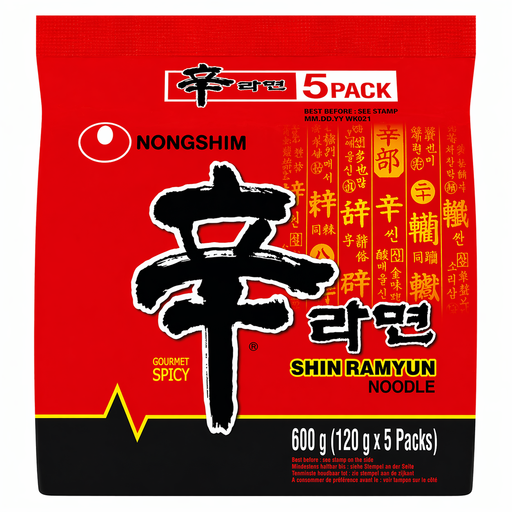
Why it suits this profile: A pack containing five portions is a manageable choice for anyone trying Korean ramen for the first time. According to the product information, the noodle soup is ready in around four to five minutes.
The product page clearly states the soup preparation method and a 120-gram portion size. This means you do not have to buy a box of 20 portions straight away.
Five individual portions, soup with dried vegetables and a preparation time of around four to five minutes.
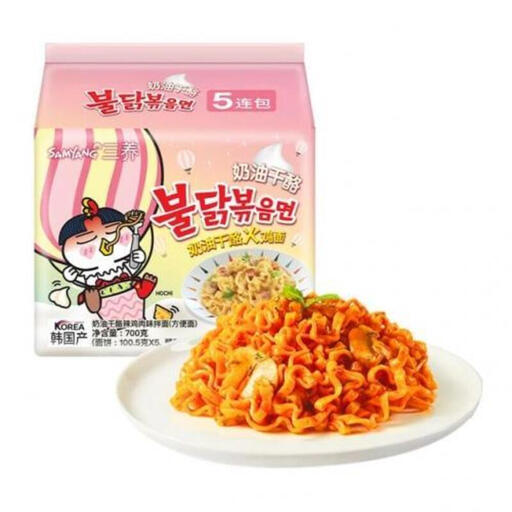
Why it suits this profile: This variety combines a spicy sauce with a carbonara-style powder mix. It is a good choice for ramen fans looking for more than a classic broth.
The flavour profile is clearly described as creamy and spicy. Do check the listed allergens, however: gluten, soya and milk.
Five 140-gram portions, sauce and powder mix, with a stated nutritional value of 550 kcal per 100 grams.
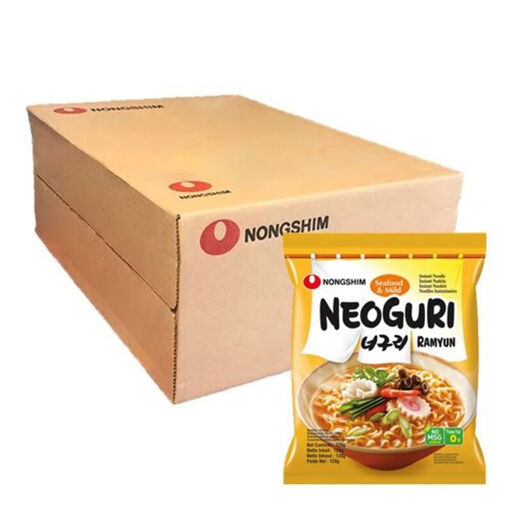
Why it suits this profile: The box of 20 portions is aimed at households, shared student accommodation and people who regularly eat instant ramen.
The product information explicitly states a four- to five-minute stock-based preparation. As this is a seafood variety, check the allergens list particularly carefully.
Twenty individual portions, one-pan soup preparation and ingredients including seaweed, carrot, fish and crustacean ingredients.
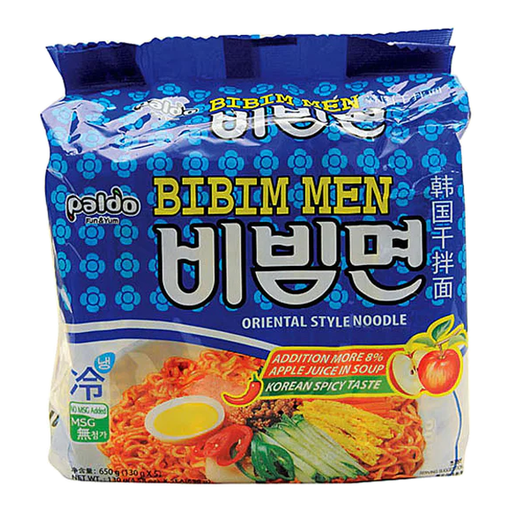
Why it suits this profile: This spicy and sweet variety is drained after cooking and mixed with sauce. It offers a different eating experience from Korean noodle soup.
The preparation method makes it clear that you should discard the cooking water and can rinse the noodles in cold water two or three times.
Five 130-gram portions and a dry preparation with a sweet and spicy sauce.
We have compiled a complete, up-to-date list of products that fully meet these strict selection criteria and the applicable European safety regulations.
You can enhance Korean instant noodles with egg, spring onion, kimchi, tofu or fresh vegetables. Only add extra chilli after tasting; the level of heat varies between products and according to personal tolerance.
Check the best-before date on the packaging. Store the sachets in a dry, cool place and keep them sealed. The date and instructions on the actual packaging take precedence, as packaging and product information may change.
This varies by variety, but Buldak products are generally sold as spicy noodles and often contain a concentrated sauce. Nongshim Shin Ramyun is usually a soup variety with chilli, garlic and savoury seasonings. Check the product description and, if necessary, start with only part of the sauce.
A multipack can reduce the price per portion, but only if you eat that flavour regularly. Compare the total weight, number of portions and price per 100 grams. For a first purchase, a pack of five portions is often easier to manage than a box of twenty.
