
Vandaag of morgen in huis

Kwaliteit gegarandeerd

Welkomstaanbiedingen ontgrendelen: GRATIS bezorging | Tot 80% korting | Gratis 30 dagen JoyPlus-proefperiode
Download de app
Korean instant noodles are ideal for a quick lunch, late-night snack or simple meal. However, Korean ramen varies considerably in flavour, preparation and format. If you focus only on eye-catching packaging or claims such as “extra spicy”, you could end up with a product that is too hot, unsuitable for your diet or impractical for everyday use.
The main pitfalls when buying Korean instant noodles are:
Korean noodle soup usually contains a seasoning powder, dried vegetables and sometimes a sauce or paste. With dry, stir-fried noodles, you cook the noodles first and drain most of the water. You then mix in the sauce. This applies, for example, to some Buldak varieties and kimchi stir-fry noodles.
Before buying, check the following:
If you enjoy kimchi noodles, look for a kimchi seasoning mix. For a creamier profile, carbonara ramen or Nongshim Shin Ramyun Toomba may be suitable options. The flavour description comes from the brand’s or seller’s product information, so do not treat the heat or creaminess as a guaranteed personal taste experience.
“Spicy” does not have a fixed, legally standardised scale for instant noodles. A red packet or words such as “fire” and “volcano” therefore do not indicate an exact, measurable score. Samyang Buldak is known for its hot profile; according to Samyang’s product description, the Buldak range combines a fiery chicken flavour with a powerful seasoning mix. This is a brand description, not an objective measurement of intensity.
Practical guidance for choosing:
An individual pack in the range may weigh, for example, 120 to 140 grams. A multipack may contain 4, 5 or 20 servings. Compare not only the total price, but also the price per serving and the best-before date.
Also pay attention to:
The actual packaging may contain more or different information than an online product page. Always use the label as your guide.
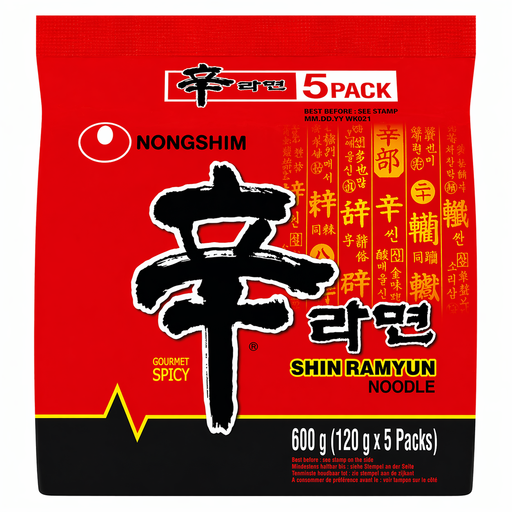
Why it suits this profile: The pack contains five individual servings. This is convenient for students, households with limited storage space and anyone who wants to try Korean noodles first.
It is not a large multipack of twenty servings. You therefore commit to less stock before knowing whether the broth and heat level suit you.
Five 120-gram servings; prepared in a saucepan according to the product information; contains wheat and soya.
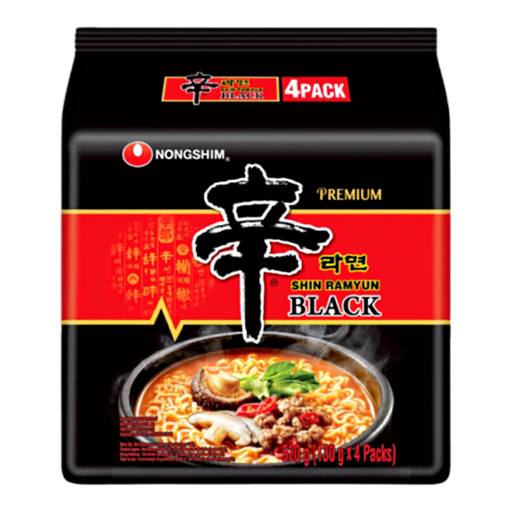
Why it suits this profile: This variety contains 130-gram servings and, according to the product information, a broth containing ingredients including beef stock powder, onion, garlic, mushroom and vegetables.
The ingredients list makes it clear that you are buying a richer seasoning mix, not simply a product with eye-catching spicy branding.
Multipack containing four servings; 130 grams per pack; contains gluten, egg, sesame, soya, fish and molluscs according to the product information.
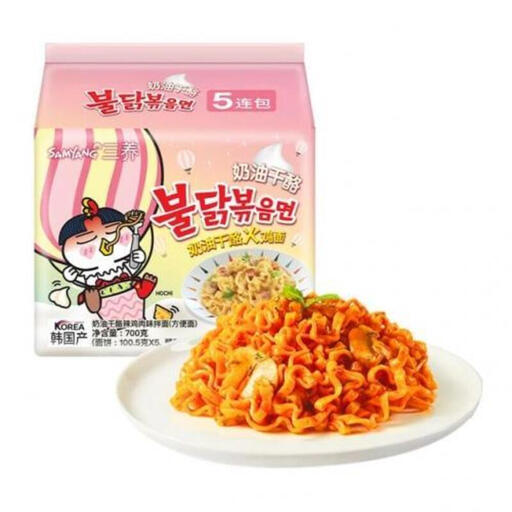
Why it suits this profile: This multipack is aimed at fans of spicy ramen with a creamy sauce. The product information lists five 140-gram servings and preparation involving cooking and seasoning powder.
The flavour profile is clearly described as a combination of heat and carbonara. However, check for milk and soya allergens before ordering.
Five 140-gram servings; carbonara seasoning mix; halal certified according to the product information; contains wheat, soya and milk.
We have put together a complete, up-to-date list of products that fully meet these strict selection criteria and the applicable European safety regulations.
Follow the instructions on the packaging. With noodle soup, you generally cook the noodles for a few minutes in water with the seasoning powder. With dry ramen, drain the water after cooking and mix in the sauce. To prepare cup noodles, add boiling water up to the indicated fill line and wait for a few minutes.
The best-before date is printed on the packaging. Store unopened products in a cool, dry place away from direct sunlight. Do not use a pack if it is damaged. When buying online, always check the date on receipt, especially when ordering a large instant noodle multipack.
Not automatically. Nutritional values vary by brand and flavour. Nongshim Shin Ramyun, Samyang Buldak, seafood ramen and carbonara ramen may contain different amounts of salt and allergens. Always read the current ingredients list and nutrition table on the packaging before buying Korean noodles.
