
当日/次日达

品质保障

开启新人专享福利: 全场免邮 | 低至 2 折 | 免费试用 30 天 JoyPlus 会员
下载 Joybuy
Korean instant noodles are ideal for a quick meal, student accommodation or a well-stocked cupboard. However, not every pack suits every situation. A large multipack may seem like good value, but it is less practical if you are not yet familiar with the flavour. Terms such as “extra spicy”, “creamy” or “authentic ramen” also tell you very little unless you check the ingredients, preparation method and portion size.
As a Joybuy Product Recommendation Officer, I filter the most important product information in a straightforward way. This helps you find Korean ramen that suits your taste and how you plan to use it.
A box containing 20 portions is convenient for regular users, but less suitable if you are trying Nongshim noodles or Samyang Buldak ramen for the first time. Korean instant ramen varies considerably, from mild broth to spicy noodles with a thick sauce.
If you are unsure, start with a pack of five or six. If you enjoy the flavour, a multipack of instant noodles may then offer better value and convenience.
Spicy noodles can be full of flavour, but instant noodle soup often consists mainly of noodles, seasoning powder and dried vegetables. So check whether you are buying a broth-based variety, stir-fry noodles or a sauce-based product. Chapagetti and Paldo Bibimmen, for example, are prepared differently from a classic Korean noodle soup.
For a more substantial meal, you can add egg, fresh vegetables, tofu or kimchi yourself. This does not alter the product composition, but it does make the preparation more versatile.
Many Korean instant noodles contain wheat and soya. Depending on the variety, they may also contain milk, egg, fish, crustaceans, mustard, celery or sesame. According to the product information, Neoguri ramen, for example, contains fish, prawns, squid and molluscs, among other ingredients. Samyang Buldak Carbonara contains milk and soya.
Always read the label on the packaging. Online product information may change, while the manufacturer provides the most up-to-date details on the packaging.
First, check the preparation method:
A product such as Shin Ramyun is designed around a rich broth. Chapagetti, by contrast, has a savoury black bean sauce and is generally eaten without a large amount of soup water.
Do not compare only the price of a packet or box; also compare the weight per portion. The range includes, for example:
A pack of five or six is suitable for trying a new flavour. A box of 20 is better suited to households, students or enthusiasts who eat instant ramen regularly.
The nutritional values in the product information are usually given per 100 grams of uncooked product. Across different varieties, the energy content is generally around 400 to 450 kcal per 100 grams. However, the salt content varies considerably from one recipe to another.
Use the table to compare products with one another, but do not draw health conclusions from a single figure. Also check the ingredients list for flavourings, oil, dairy, fish ingredients and allergens. Claims about flavour or performance come from the product description or the brand; they are not an independent guarantee.
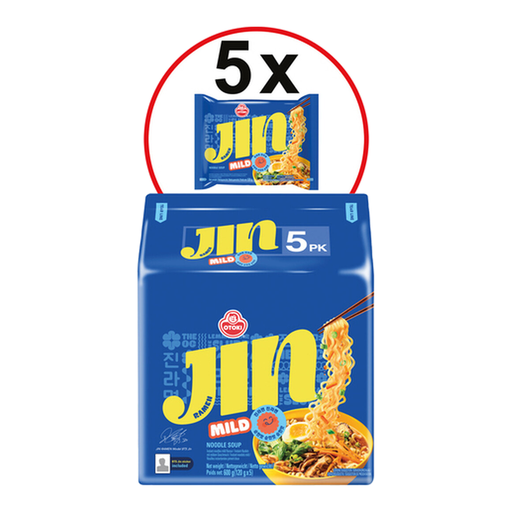
Why it suits this profile: The multipack contains five 120-gram portions and is described as having a mild flavour. This allows you to try Korean ramen without immediately ordering a large box.
The smaller multipack reduces the risk of being left with an unfamiliar, very spicy flavour that you do not enjoy.
Five individual portions, a mild flavour according to the product information, and clear preparation instructions for a quick meal.

Why it suits this profile: Anyone looking for a reliable base for Korean noodle soup gets 20 individual portions with a preparation time of approximately four to five minutes.
The portion size, ingredients and preparation instructions are clearly stated, allowing you to choose a large supply with confidence.
20 portions of 120 grams, dried vegetables and a stated cooking time of four to five minutes.

Why it suits this profile: This pack is aimed at Buldak ramen fans who enjoy a sauce-based preparation and a carbonara-style flavour. The box contains ten 130-gram portions.
The product description clearly states that this is a spicy stir-fry variety with sauce, rather than a classic broth-based noodle soup.
Ten portions of 130 grams, firm noodles, and separate sauce and seasoning powder sachets.
We have put together a complete, up-to-date list of products that fully meet these strict selection criteria and the applicable European safety regulations.
Always follow the instructions on the packaging. With many Korean instant ramen products, you cook the noodles in a pan containing 500 to 550 ml of water for four to five minutes. Add the seasoning powder and sauce as directed. With stir-fry noodles, drain the cooking water before mixing in the sauce.
Store unopened packs in a cool, dry place away from direct sunlight, heat and moisture. Check the packaging for damage and look for the best-before date on the product itself. If you have allergies, it is advisable to follow the information on the current packaging, even if the online description appears to differ.
A mild variety, such as Ottogi Jin Ramen Mild, is a sensible place to start. If you would prefer to try a savoury sauce, Chapagetti is worth considering. Always check the allergens and preparation method.
Shin Ramyun is generally an instant noodle soup with broth, while Buldak ramen is usually prepared as spicy stir-fry noodles with sauce. The exact flavour, ingredients and nutritional values vary by variety.
That depends on the price per portion, delivery costs and how often you use the product. Divide the total price by the number of packs and check the best-before date. A multipack is most practical if you already know the flavour and eat Korean ramen regularly.
