
Vandaag of morgen in huis

Kwaliteit gegarandeerd

Welkomstaanbiedingen ontgrendelen: GRATIS bezorging | Tot 80% korting | Gratis 30 dagen JoyPlus-proefperiode
Download de app
Craving Korean instant noodles and snacks, but not sure which cup suits your taste or situation? The differences are not limited to the brand or packaging. Spice level, preparation method, allergens, portion size and halal information all determine whether a purchase is right for you.
For students, busy professionals and fans of Asian cuisine, Korean ramen and snacks are a convenient way to enjoy a quick meal. However, there are a few common pitfalls to watch out for.
Terms such as hot, fire and extra spicy give you an indication, but they do not form a standard European scale. The experience also depends on the sauce, stock and creamy ingredients. Buldak ramen with a sauce, for example, tastes different from an instant noodle soup with a spicy stock.
If you are not used to intense heat, you could start with a creamy variety, such as carbonara or cheese. If you are looking for a more pronounced flavour, look for terms such as hot chicken, extra spicy or red chilli in the product name.
A Korean ramen cup is particularly convenient for work, studying, travelling or a late-night snack. The products in question range from around 65 to 145 grams. A smaller cup may be enough as a snack, but the contents may be limited if you are looking for a substantial meal.
So check:
Samyang ramen, Nongshim and other well-known brands use different recipes. Always check the current packaging, particularly if you have an allergy, food intolerance or specific dietary requirements. Online product information may differ from the packaging, as stated in the product disclaimer.
Pay particular attention to wheat and gluten, soya, milk, egg, sesame, fish and shellfish. For halal products, it is wise to check whether the current packaging actually displays halal certification. A product description alone is not sufficient.
Korean instant noodles can broadly be divided into three groups:
A creamy sauce can soften the sharpness somewhat, but it does not automatically make a product mild. According to the product description, Samyang Buldak Rose combines a spicy sauce with milk and cheese powders, for example. Check the ingredients if you avoid milk or soya.
For a busy working day, a cup that only requires boiling water is practical. However, the instructions vary from product to product. Samyang Spicy Chicken Ramen Cup states that the noodles should be soaked for around four minutes, after which the water is drained and the sauce and toppings are mixed in. Nissin Cup Noodles Spicy Seafood Flavour states that the noodles should be soaked for three minutes. Tteokbokki cups may require around four minutes.
Always follow the water line and preparation instructions on the packaging. Do not open damaged packaging, and store unopened cups in a cool, dry place away from direct sunlight and moisture.
Instant noodles often contain a relatively high amount of salt per serving. The values on product pages are sometimes given per 100 grams and sometimes per serving. Therefore, compare products using the same unit before assessing them side by side.
The ingredients list is the leading source of information for allergens. Nongshim Red Super Spicy Noodles, for example, lists gluten and soya, with possible traces of ingredients including egg, milk, fish and shellfish. According to the product information, Samyang Carbonara contains wheat, milk and soya. If you have a severe allergy, it is advisable to contact the manufacturer or seller.
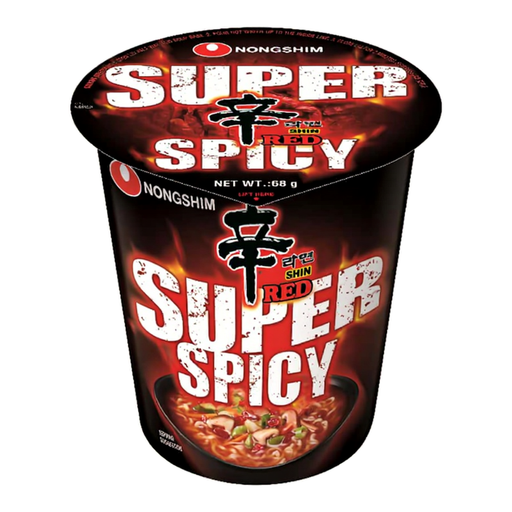
Why this suits the profile: The 68-gram cup size and simple preparation with hot water make this an accessible introduction to Korean ramen.
The net quantity and preparation method are clearly stated. However, check the spice level and allergens on the current packaging.
Cup format; only hot water required; savoury stock according to the product description.
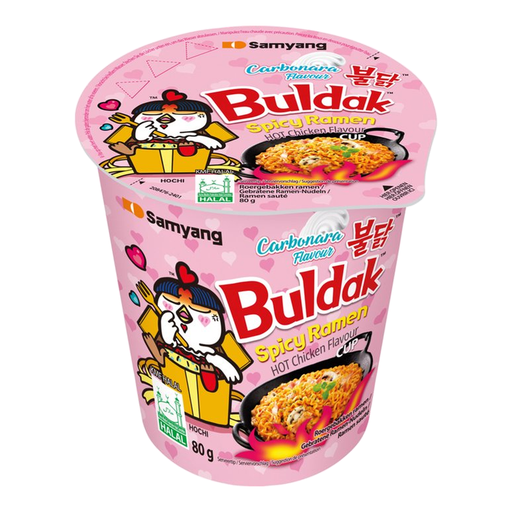
Why this suits the profile: The combination of spicy chicken-style sauce and carbonara powder is designed for anyone looking for more layers of flavour than a standard stock.
The flavour profile is clearly stated in the product name. According to the product information, milk, soya and wheat are present allergens.
80 grams per cup; creamy carbonara flavour; prepared with hot water.
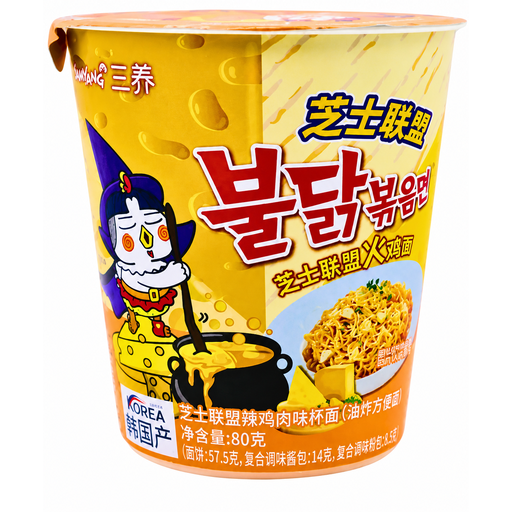
Why this suits the profile: This cup is aimed at fans of spicy noodles with a cheese profile and contains 80 grams according to the product information.
The product details list the ingredients and allergens. Check the current packaging if you need to avoid egg, milk or gluten.
Cup format; cheese profile; dried toppings such as sesame and seaweed according to the product description.
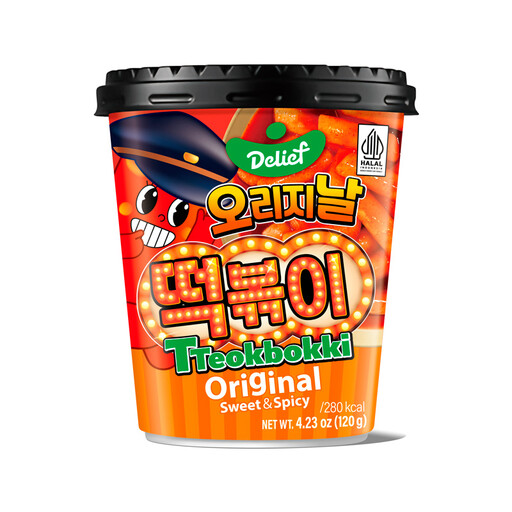
Why this suits the profile: The product name mentions halal, and the cup contains 120 grams of Korean rice cakes with a sweet and spicy sauce.
The product information mentions halal and lists the ingredients. Before buying, check the certification statement on the current packaging.
120 grams per cup; rice cakes with sauce; sweet and spicy flavour profile.
We have put together a complete, up-to-date list of products that fully meet these strict selection criteria and the applicable European safety regulations.
Open the lid as instructed, add boiling water up to the indicated line and close the cup. Leave the noodles to stand for the time stated on the packaging. With dry Buldak ramen, the water is usually drained before mixing in the sauce. Always check the specific preparation method for each product.
The best-before date is shown on the packaging, usually on the cup, lid or outer packaging. Store unopened products in a cool, dry place away from direct sunlight. Do not use a cup if the packaging is damaged. Once opened or prepared, it is best to consume the product immediately.
It varies from product to product. Some tteokbokki cups mention halal in the product name, such as the Delief variety. Other ramen products may contain chicken flavouring, milk, soya or possible traces of animal-derived ingredients. Therefore, check the halal marking and current ingredients list on the packaging before ordering.
