
Vandaag of morgen in huis

Kwaliteit gegarandeerd

Welkomstaanbiedingen ontgrendelen: GRATIS bezorging | Tot 80% korting | Gratis 30 dagen JoyPlus-proefperiode
Download de app
Korean instant noodles are handy for a quick lunch, late-night snack or to keep in the cupboard. However, not every pack is right for every occasion. A soup with a high salt content can be quite different from dry, stir-fried noodles. And a multipack is only good value if you actually enjoy the flavour.
So look beyond just a flashy packet or a promise of “extra spicy”. The points below will help you compare Korean ramen, instant ramen and other Asian instant noodles with confidence.
With spicy noodles, the emphasis can sometimes be on the chilli alone. This means garlic, soy, kimchi, vegetables or a creamy sauce may not come through as clearly. So check the flavour description and the ingredients list. A product with a soup base is different from a stir-fried noodle where you add the sauce after cooking.
A noodle multipack often looks like great value, but packs vary widely in weight and number of servings. Nongshim Shin Ramyun, for example, is available as a single portion, a pack of six or a box of twenty sachets. So compare the price per serving rather than just the total price.
Many Korean ramen products contain wheat and soya. Depending on the variant, milk, fish, shellfish, egg, celery, mustard, peanuts or sesame may also be present. Always check the label on the pack you receive. Product information can change, and packaging may differ from online images.
A Korean noodle soup such as Shin Ramyun or kimchi noodles is cooked in water with a seasoning or soup sachet. The stated cooking time is usually around 4 to 5 minutes. With Paldo Jjajangmen, you cook the noodles first, rinse them and then mix with the sauce. This gives a drier result without broth.
Cup noodles are practical for the office or a student room because you don’t need a pan. Just check that the instructions clearly state how much boiling water is needed and how long the noodles need to stand.
Terms like “hot”, “spicy” or “volcano” give an indication, but they’re not a universal measure. The actual experience depends on the amount of sauce, the portion size and your own taste. With some dry noodles, you can use only part of the sauce. That makes them more suitable if you want flavour but less heat.
Look at the energy, fat, carbohydrates and salt per 100 grams. The values on product pages vary by recipe and pack. For example, different Nongshim variants show a salt content of around 3.7 to 5.6 grams per 100 grams, while other products differ from this.
Instant noodles are intended as a convenient meal or snack. Feel free to add egg, tofu, spring onion or vegetables for more variety. That doesn’t change the nutritional values of the base product, but it does make the bowl more substantial.
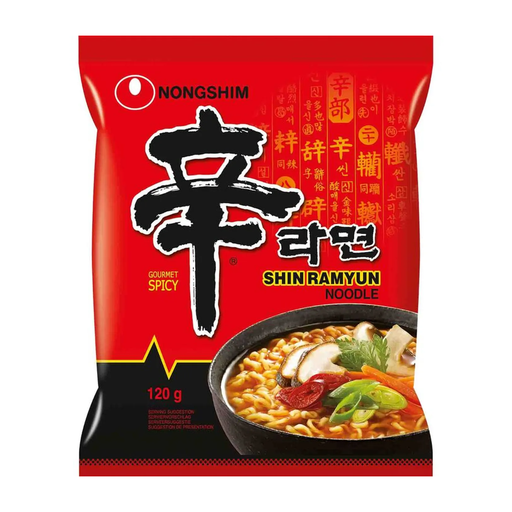
Why it fits this profile: A single 120 g sachet is an easy way to try classic Korean ramen without committing to a large box.
The portion size and cooking time are clearly stated: around 4.5 minutes. This lets you assess the flavour and heat level first.
Soup variant with mushroom, carrot, chilli and onion according to the product description; suitable for preparation in a pan.
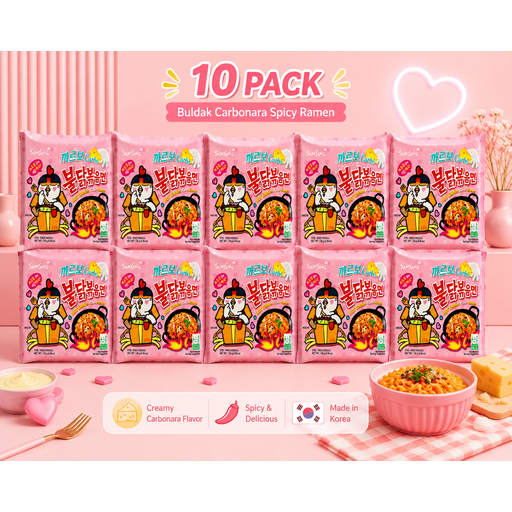
Why it fits this profile: For fans of a distinctive combination of creamy carbonara flavour and spicy Buldak sauce, with ten individual portions in stock.
The flavour direction is specifically described as carbonara with a spicy chicken style. That stops you relying only on the image or the name.
130 g per serving; contains milk and soya. The product information states 423 kcal and 2.6 g salt per 100 g.
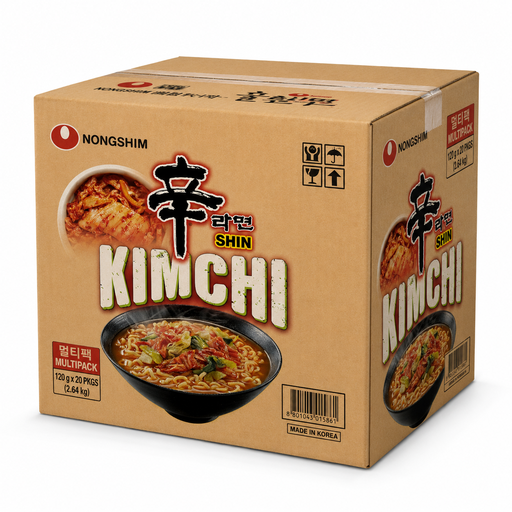
Why it fits this profile: A box of twenty portions suits households, offices or students who regularly want a quick Korean noodle soup.
The box contains individual portions and the product description mentions dried kimchi, pak choi, carrot and spring onion. So you’re buying a clearly described flavour profile.
20 servings of 120 g; prepared as a soup; country of origin stated as South Korea.
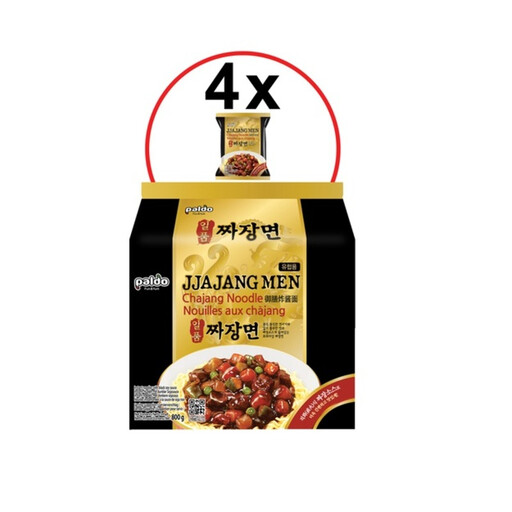
Why it fits this profile: Ideal for those who prefer sauce-coated noodles to a bowl of broth and have time for a short extra step after cooking.
The preparation method clearly states: cook for 3 to 4 minutes, rinse, then mix with the sauce. So don’t expect a standard noodle soup.
Four servings of 200g; sauce with black bean paste, onion and a sweet-spicy flavour according to the product information.
We’ve put together a full, up-to-date list of products that fully meet these strict selection criteria and comply with current European safety regulations.
Always follow the instructions on the pack. For many soup variants, you cook the noodles with the seasoning powder for around 4 to 5 minutes in 500 to 550ml of water. Dry variants sometimes require draining, rinsing and mixing with sauce.
Store unopened packs in a cool, dry place away from direct sunlight. The exact best-before date is on the pack. Do not use a damaged pack. Once prepared, instant noodles are best eaten straight away.
That varies by variant. Shin Ramyun has a seasoned soup base, while Samyang Buldak Carbonara combines a distinctly spicy sauce with a creamy flavour. If in doubt, start with less sauce or choose a milder flavour description. Also check the ingredients and allergens before buying instant noodles.
