
Vandaag of morgen in huis

Kwaliteit gegarandeerd

Welkomstaanbiedingen ontgrendelen: GRATIS bezorging | Tot 80% korting | Gratis 30 dagen JoyPlus-proefperiode
Download de app
Korean instant noodles are quick to prepare, affordable and available in a wide range of flavours. Yet choosing the right one isn’t as simple as picking the most eye-catching packet. A spicy ramen can, for example, be surprisingly high in salt, while a product labelled “vegetarian” isn’t automatically vegan. Packaging also varies considerably – from single servings to bulk packs of 20 sachets.
In this guide from the Joybuy Product Recommendation Officer, we compare Korean ramen based on verifiable information: preparation method, portion size, flavour profile, allergens and nutritional values.
Spiciness isn’t a standardised product specification. One Korean noodle soup has a mildly spiced broth, while another relies on a concentrated chilli sauce. With Samyang Buldak, the sauce is stirred through the noodles after cooking. That creates a very different effect to a soup where the seasoning powder is dissolved in a large amount of water.
If you’re not used to spicy food, it’s best to start with a mild or adjustable option. When using sauces, add only part of the sachet first, then add more to taste.
Always check the ingredients list and allergen information. Nongshim Soon Veggie Ramyun is marketed as a vegetarian option and, according to the product information, contains no meat ingredients. However, the formulation does list wheat and soya. Chapagetti includes soya, wheat, sesame, mustard and crustaceans according to its stated ingredients list.
Also look out for terms like chicken flavouring, fish powder, prawn powder, milk powder and egg. If you have an allergy or follow a strict diet, the packaging is your best guide, as recipes and labels can change.
A pack of 10 or 20 servings might seem ideal for students, families or stocking the cupboard. But only buy in bulk if you already know you like the flavour and have enough time before the use-by date. Always check the net weight per serving, the best-before date and the storage instructions.
A cup is handy for the office or on the go, but sachets are often more flexible: you can add vegetables, egg or tofu, and control the amount of water yourself.
Broadly speaking, there are three types:
Check the recommended amount of water. Nongshim Shin Ramyun, for example, is prepared with around 500 to 550 ml of water and, according to the product information, is ready in about 4 to 4.5 minutes. A cup version usually only needs boiling water and a few minutes of waiting time.
A sachet of 120 to 140 g is usually intended as a full serving, but the nutritional information on the label may be given per 100 g or per pack. So check carefully which unit is used.
Examples from the available product information:
The salt content varies noticeably between products. According to the stated data, Shin Ramyun and kimchi noodles can be relatively high in salt. Treat these values as comparison information, not as personal dietary advice.
Most Korean instant noodles contain wheat and soya. Some varieties also contain milk, egg, sesame, fish or crustaceans. Always read the full label before purchasing, especially if you have a food allergy.
The country of origin varies by product. Some Nongshim packs state South Korea, while the product information for Nongshim Shin Ramen 5 x 120 g lists China as the country of origin. So always look at the information on the specific pack, not just the brand name.
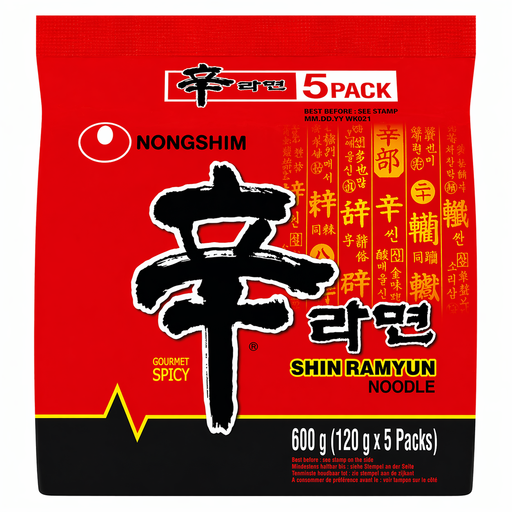
Why This Fits Their Persona: A multipack of classic Korean noodle soup, ideal for anyone trying ramen for the first time or wanting a few portions on hand.
The packaging clearly states five portions of 120 g and a preparation time of around 4 to 5 minutes, so you know exactly what you’re getting.
Spiced broth with chilli, garlic and dried vegetables; suitable for pan cooking and easy to enhance with egg or vegetables.
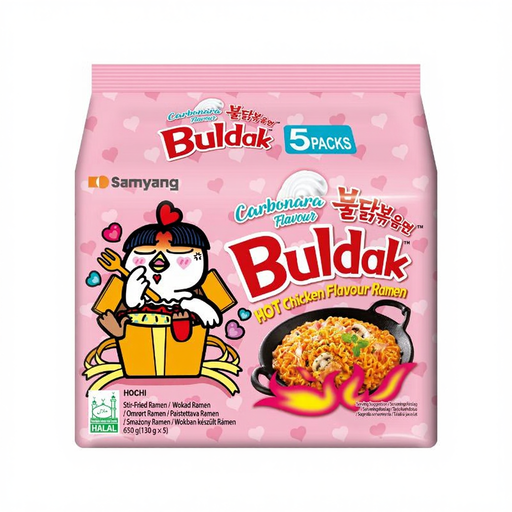
Why This Fits Their Persona: For those who want to combine spicy noodles with a creamy carbonara flavour and like to stock up for several meals.
The product information lists both the spicy sauce and the milk ingredient, so you know upfront that this is neither a neutral noodle soup nor a vegan option.
Thick noodles, sauce preparation and a separate powder mix containing milk and cheese components.
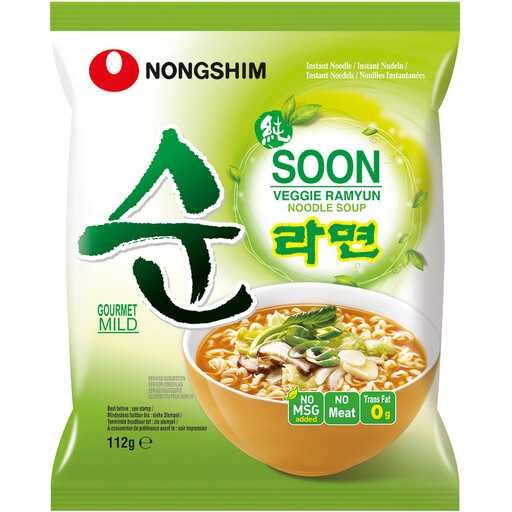
Why This Fits Their Persona: A practical choice for shoppers looking for a Korean noodle soup without meat ingredients.
The product description positions this variant as vegetarian. However, always check the current packaging, especially if you have allergies or follow a vegan diet.
Contains dried pak choi and carrot; flavour profile with garlic, paprika, black pepper and shiitake.
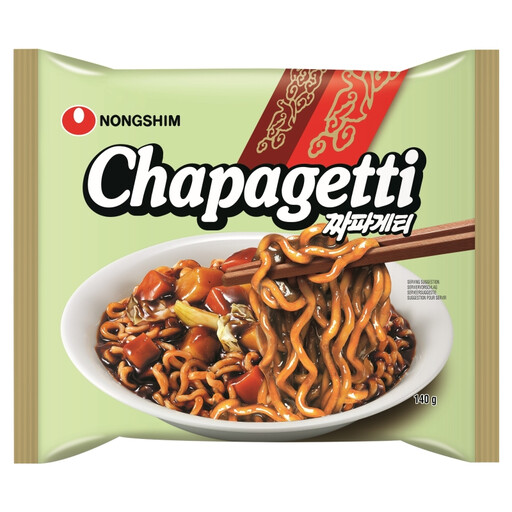
Why This Fits Their Persona: Ideal for those who aren’t after a soup but want hearty Korean noodles with black bean sauce and an approachable flavour.
According to the product description, no extra spices are added, making the flavour less reliant on a very hot chilli sauce.
140 g per pack; pairs well with crunchy vegetables, kimchi or a fried egg.
Browse our current range of Korean instant noodles and compare packs, flavours and portion sizes based on the product specifications.
Add ingredients you already have in your fridge:
With stir-fried noodles, it’s important to keep enough sauce back. With noodle soup, you can use a little more water if you want a less intense broth. Always follow the preparation instructions on the pack first.
The best-before date is printed on the packaging. Store unopened noodles in a cool, dry place away from direct sunlight. Check the packaging for any damage before using the product. Once prepared, instant noodles are best eaten straight away.
According to the product information, Nongshim Chapagetti has no extra spicy seasonings and uses a black bean sauce. If you prefer soup, you can start with a smaller pack of Shin Ramyun and use less seasoning powder to taste. For a creamy option, Buldak Carbonara is a choice, but it contains milk and remains noticeably spicy.
This varies by product. Soon Veggie Ramyun is marketed as a vegetarian option, but it does contain wheat and soya. Samyang Buldak Carbonara contains milk components. Chapagetti lists crustaceans among its ingredients. So always check the current label and allergen information before ordering.
