
Vandaag of morgen in huis

Kwaliteit gegarandeerd

Welkomstaanbiedingen ontgrendelen: GRATIS bezorging | Tot 80% korting | Gratis 30 dagen JoyPlus-proefperiode
Download de app
Korean instant noodles are a handy option for a quick meal, but the differences between Korean ramen, Korean noodles and instant ramen are greater than the packaging sometimes suggests. A noodle soup with broth requires a different preparation to jjajang noodles with sauce or spicy Korean noodles that you drain after cooking.
The biggest mistakes usually come down to three pitfalls:
Check how the product is prepared:
This determines not only the flavour, but also how many pans, water and time you’ll need.
A portion in the range is often around 120 to 140 grams, but there are also smaller packs and combinations with multiple cups. A 6-pack is manageable for occasional use. An instant noodles multipack with 10 or 20 individual portions is better suited to students, families and those who like to keep a regular stock.
Also pay attention to the net weight per portion. A pack of 6 x 65 grams is not directly comparable to 6 x 120 grams. So look at the price per portion, not just the price of the box.
The ingredients list gives a more reliable picture than terms like “authentic Korean ramen” or “extra rich”. Check in particular:
The information on the product page is a guide. The physical packaging may contain changed ingredients, warnings or allergen information. Always check the label before consumption, especially if you have an allergy or food intolerance.
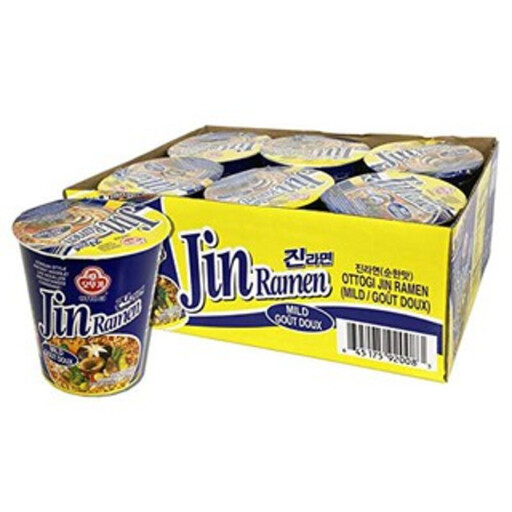
Why this fits the profile: The mild variant in a pack of six portions is suitable if you want to try Korean noodles without buying a large economy pack straight away.
The packaging clearly states “Mild” and contains six smaller portions. This makes the flavour choice clearer and keeps your stock limited.
Six portions of 65 grams; mild flavour according to the product description; can be prepared as Korean noodle soup.
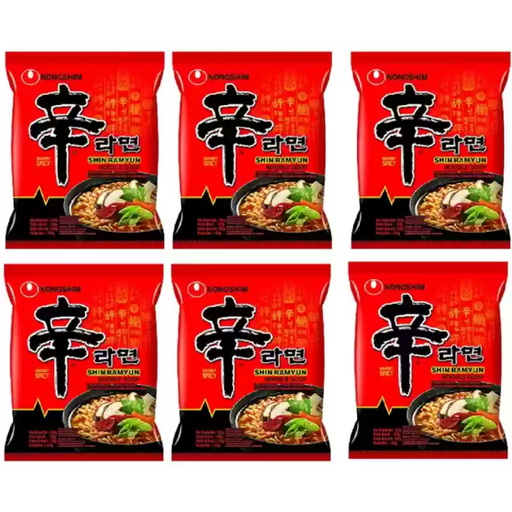
Why this fits the profile: If you’re looking for a recognisable Korean ramen profile, you get a consistent combination of noodles, broth and dried vegetables in portion packs.
The product information states a cooking time of around 4.5 minutes and gives a specific amount of water. This means you don’t have to rely on general marketing claims.
Six portions of 120 grams; soup base with chilli, garlic and dried vegetables according to the product description; suitable for additions like egg or vegetables.
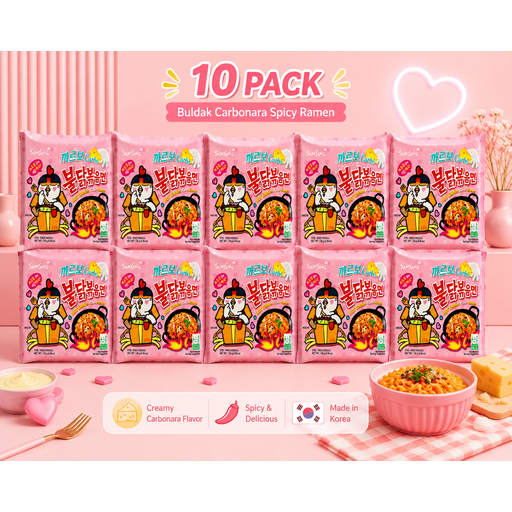
Why this fits the profile: This pack is aimed at fans of spicy Korean noodles with a creamy carbonara flavour and a hearty, mixed preparation.
The variant and portion size are clearly stated: carbonara, 10 x 130 grams. Just check first whether the heat level and milk ingredients suit your preferences.
Ten portions of 130 grams; carbonara powder with milk ingredients according to the label; preparation method where the noodles are mixed with sauce.
We’ve put together a full, up-to-date list of products that fully meet these strict selection criteria and comply with current European safety regulations.
Always follow the instructions on the packaging. For many Korean ramen varieties, you cook the noodles for around 4 to 5 minutes in 500 to 550 millilitres of water. For Buldak, Chapagetti and other sauce-based varieties, you then drain most of the water and mix the noodles with the sauce. Cold noodles are rinsed with cold water after cooking.
The best-before date is on the packaging. Store unopened Korean noodles in a cool, dry place, out of direct sunlight and away from moisture. Check the packaging for damage and follow the date and storage instructions from the manufacturer.
No. There are mild varieties, kimchi noodles, black bean sauce like Chapagetti and very hot options such as Samyang Buldak or Paldo Volcano. Look at the flavour name, ingredients and warnings. If you’re unsure, start with a mild 6-pack rather than ordering a large multipack straight away.
