
Vandaag of morgen in huis

Kwaliteit gegarandeerd

Welkomstaanbiedingen ontgrendelen: GRATIS bezorging | Tot 80% korting | Gratis 30 dagen JoyPlus-proefperiode
Download de app
Korean instant noodles are convenient, affordable and available in a wide range of flavours. Yet the choice online often seems simpler than it really is. If you’re after a quick Korean ramen meal, you’ll soon come across Samyang Buldak noodles, Nongshim Shin Ramyun or Chapagetti noodles. The differences aren’t just in the packaging – they also lie in the cooking method, spiciness, portion size, allergens and the number of sachets.
If you only look at a flashy packet or the words “extra spicy”, you could end up buying a product that doesn’t suit your mealtime. Below, we explain what you need to look out for in practical terms.
“Spicy” doesn’t tell you exactly what a product tastes like. Some Korean noodle soups have a robust broth with chilli, garlic and dried vegetables. Other varieties are drained after cooking and mixed with a thick sauce. With Samyang Buldak noodles, the focus is often on a concentrated sauce, whereas Nongshim Shin Ramyun is prepared as a soup.
So always check whether you’re buying a soup base, sauce or stir-fry variety. That determines the texture, amount of liquid and how you serve it.
A pack of five sachets isn’t automatically better value than a pack of ten or twenty portions. Look at:
An instant noodle multipack is especially practical if you eat noodles regularly. For an occasional snack, a smaller pack may be more suitable.
Many Korean ramen contain wheat, soya, milk, sesame or shellfish. This applies even to products with a vegetarian-sounding flavour name. Always read the label on the packaging, as the product packaging may have more up-to-date or detailed information than an online description.
If you want to buy halal Korean noodles, look for a clear halal mention or certification on the packaging. A product with a chicken or beef flavour isn’t automatically halal. The Bai Xiang variety mentioned, for example, is labelled as halal but comes from China and isn’t Korean ramen.
Korean noodle soup is usually prepared with water and seasoning powder. According to the product information, Nongshim Shin Ramyun is made with around 500 ml of water and cooked for about 4 to 5 minutes. With a sauce variety, you often need to drain the cooking water. Paldo Jjajangmen, for instance, requires you to rinse the noodles after cooking and then mix them with the sauce.
Also pay attention to the thickness of the noodles. Thicker noodles generally give a firmer bite but may need a little longer to soften properly.
Choose based on your desired mealtime:
The term “creamy” doesn’t mean the product is mild. According to the product information, various Carbonara and Cheese varieties still contain chilli and pepper.
Compare the nutritional values per 100 grams, not just per pack. The products mentioned differ, for example, in salt, fat and energy. Nongshim Shin Ramyun 20 x 120 g lists 5.6 grams of salt per 100 grams, while Paldo Jjajangmen lists 2.04 grams of salt per 100 grams. The portion size and cooking method can further affect the overall meal.
Also check specifically for:
If you have allergies, always use the current packaging as your guide.
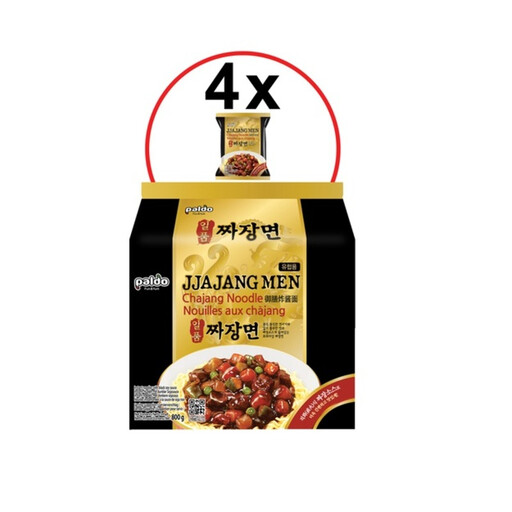
Why this fits the profile: A four-pack is manageable for anyone trying Korean noodles for the first time. The black bean sauce offers a sweet-savoury profile without having to go straight for the hottest ramen.
The cooking instructions make it clear that the water is drained and the sauce is added afterwards. That way, you don’t buy a soup variety expecting a dry sauce.
Four portions of 200 grams; black bean sauce; cooking time of around 3 to 4 minutes, excluding rinsing.

Why this fits the profile: This economy pack is aimed at households, students or offices that want to prepare a bowl of Korean noodle soup on a regular basis.
The large number of individual portions means you don’t need multiple small packs. Just check the best-before date and storage space in advance.
20 sachets of 120 grams; preparation in around 4 to 5 minutes; suitable as a base for egg, vegetables or other toppings.
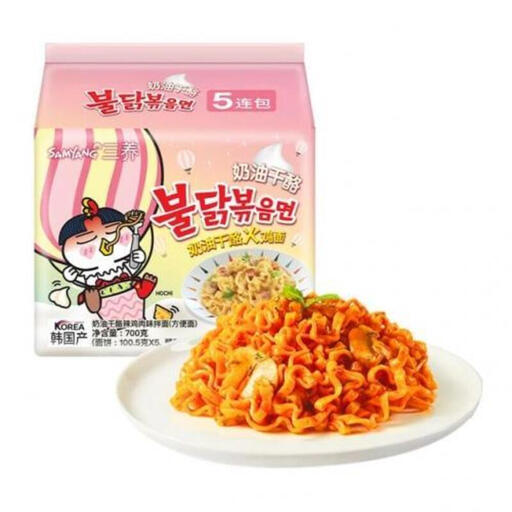
Why this fits the profile: For fans of creamy, spicy sauce who are deliberately looking for a multipack. The product information mentions a set of five and a halal certification.
The flavour description explicitly combines creaminess with chilli. This allows you to make a more targeted choice than relying on the name Carbonara alone.
Five sachets of 140 grams; labelled as halal in the product information; contains milk, soya and gluten.
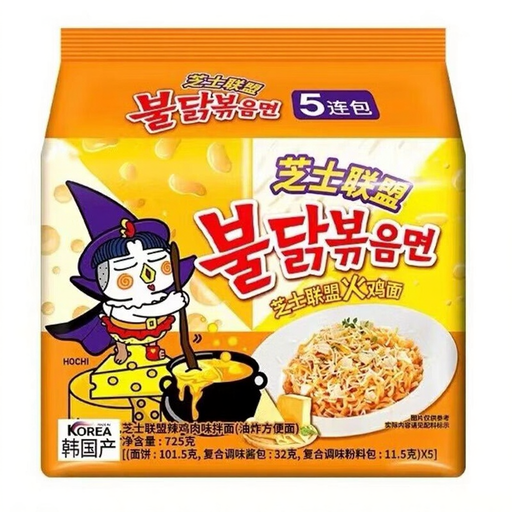
Why this fits the profile: This variety is designed for those who want to combine serious heat with a cheesy flavour and a larger 145-gram portion.
The combination of cheese and chilli is clearly stated in the product name and description. Do check the ingredients if you need to avoid milk or soya.
Five portions of 145 grams; Quattro Cheese flavour; product information states it is made in Korea.
We’ve put together a full, up-to-date list of products that fully meet these strict selection criteria and comply with current European safety regulations.
Use the amount of water and cooking time stated on the packaging. With soup noodles, too little water can make the broth too salty. With dry varieties, too much water will remain in the sauce.
A practical approach:
Store unopened packs in a dry, cool place away from direct sunlight. Check the best-before date before use and don’t use damaged packaging.
“Korean ramen” usually refers to Korean instant noodles, often with a soup base or seasoned sauce. The word ramen is used broadly in the UK. So check the cooking method and ingredients rather than just the product name.
Not every variety has the same flavour profile, but the Buldak line is generally centred on chilli and a powerful sauce. Cheese, Carbonara and Rose varieties add creamy ingredients, but that doesn’t automatically make them mild.
Check the date on the packaging. Store the multipack in a dry, cool place away from direct sunlight. Once opened, it’s best to prepare and eat a portion straight away, following the instructions.
