
Vandaag of morgen in huis

Kwaliteit gegarandeerd

Welkomstaanbiedingen ontgrendelen: GRATIS bezorging | Tot 80% korting | Gratis 30 dagen JoyPlus-proefperiode
Download de app
Korean instant noodles are handy for a quick lunch, a late-night snack, or a storecupboard that requires minimal preparation. Yet Korean ramen, Korean ramyun and spicy instant noodles differ greatly in flavour, preparation, portion size and seasoning content.
If you only look at a flashy packet or a trending flavour, you can easily end up with the wrong purchase. So pay attention to the following points before you buy instant ramen.
A product labelled “hot”, “spicy” or “volcano” on the packet isn’t automatically suitable for every ramen fan. Some varieties have a powerful chilli sauce, while others offer more of a seasoned broth. Samyang Buldak, for example, is known for a combination of sauce, chilli and a firm noodle texture. Nongshim Shin Ramyun, on the other hand, focuses more on a spiced soup base with garlic, chilli and dried vegetables.
So check whether you’re looking for soup noodles or dry, mixed noodles. With Bibim Men and other bibim varieties, the noodles are drained after cooking and mixed with sauce. That gives a different result from a bowl of broth.
An instant noodle multipack may seem like good value, but the number of packets and the weight per packet vary. A pack of five 130g packets isn’t directly comparable to twenty 120g packets.
When comparing, calculate:
For a student or a household with several ramen fans, a multipack can be practical. If you want to try a new flavour first, it’s better to start with a single packet.
Many Korean noodles contain wheat and soya. Depending on the variety, milk, fish, shellfish, celery, mustard, sesame or egg may also be listed. The product information can vary per packet or import batch. So always check the label before you prepare the product.
The salt content also deserves attention. In the product information provided, this ranges, for example, from around 2.5g to 5.7g of salt per 100g, depending on the variety. That’s an objective difference you can factor into your choice, without relying on marketing terms.
First, choose the type you want:
The preparation method isn’t interchangeable. With dry varieties, you usually need to rinse with cold water or drain off some of the cooking water. Follow the instructions on the packet.
The products in this range weigh roughly 120 to 140g per individual packet. A higher weight doesn’t automatically mean you get more sauce or more vegetables. Also look at the contents of the packet: dried vegetables, soup sachet, paste or powder mix, and any oil can be added separately.
Thicker noodles often give a firmer mouthfeel, while the cooking time is usually around four to five minutes. Samyang Buldak varieties can, according to the product information, be cooked for a shorter time. Check the exact time for each product.
Pay attention to the net quantity, ingredients, allergens, preparation instructions and best-before date. Store the packets in a cool, dry place, away from direct sunlight and moisture. Do not use any packet that is damaged.
The information on a webpage may differ from the actual packet. The product descriptions therefore also advise you to check the label, warnings and usage instructions before consumption.
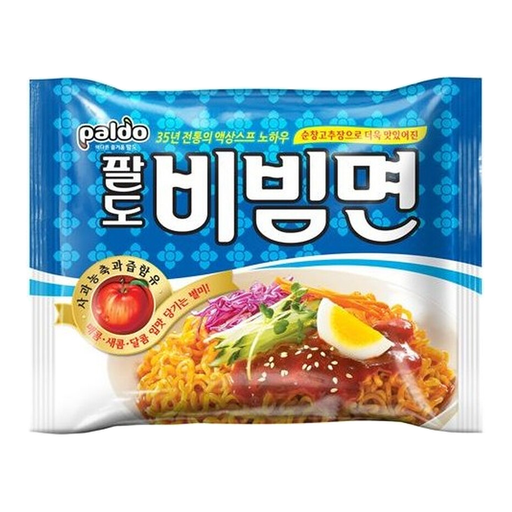
Why this fits the profile: The 130g packet is manageable for anyone wanting to buy Korean noodles without committing to a large bulk pack. The sweet and spicy sauce is a departure from standard broth-based ramen.
The preparation method makes it clear that these are drained noodles with sauce, not soup. So you know what you’re buying in advance.
130g per packet; cook, rinse with cold water and mix with sauce.
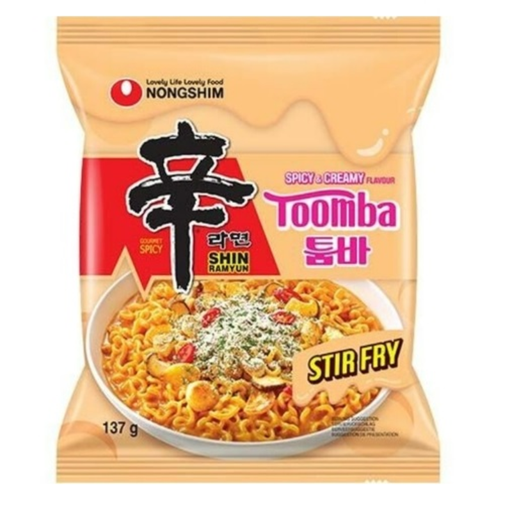
Why this fits the profile: The 137g variety combines, according to the product description, a spicy flavour with a creamy sauce. That suits anyone looking for more than a simple broth.
The ingredients list and nutritional values give more concrete information than just the label “spicy”. Do check the actual label for allergens.
137g; combination of spices, sauce and noodles in one portion.
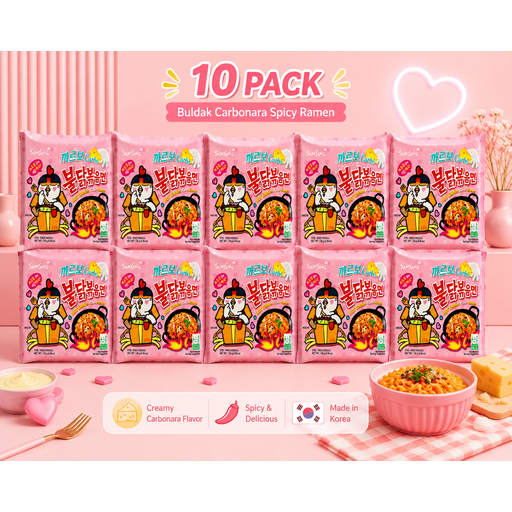
Why this fits the profile: The box contains ten individual 130g portions. This makes it suitable for frequent users, shared households and fans of Samyang Buldak.
The number of portions and the weight are clearly stated. This allows you to calculate the price per portion rather than just looking at the box price.
10 x 130g; carbonara flavour with spicy sauce; contains, according to the product information, gluten, soya and milk.
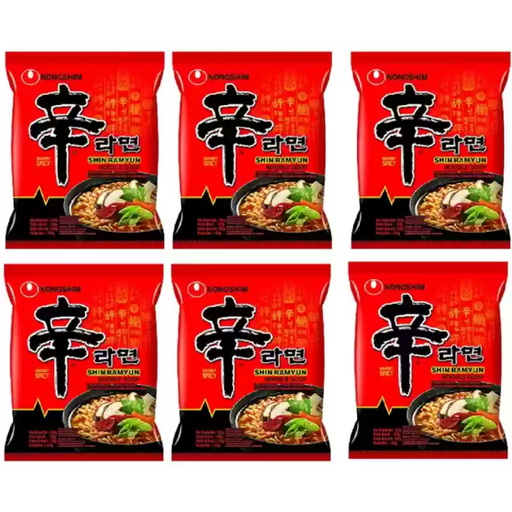
Why this fits the profile: Six 120g portions are practical for students, office supplies or a household that regularly eats Korean ramen.
The preparation instructions mention 550ml of water and around 4.5 minutes of cooking time. This lets you estimate portions and preparation in advance.
6 x 120g; soup preparation in around 4.5 minutes; dried herbs and vegetables.
We’ve put together a full, up-to-date list of products that fully meet these strict selection criteria and comply with current European safety regulations.
Follow the instructions on the packet. With soup noodles, you usually cook the noodles together with the soup base in around 500 to 550ml of water. With Bibim Men or other dry varieties, you cook the noodles first, drain them and then mix them with the sauce. Don’t use a fixed cooking time for all brands.
The best-before date is on the packet. Store unopened packets in a dry, cool place away from direct sunlight. Check the packet for damage and follow the instructions on the label after opening. Buying a multipack is especially worthwhile if you’ll use the portions within the stated shelf life.
No. The level of spiciness varies by brand and flavour. Shin Ramyun and Buldak are often associated with a spicy taste, while creamy varieties combine the chilli with a milder sauce. If in doubt, start with a single packet and add less sauce or seasoning if needed. Also always check the ingredients and allergens on the actual label.
