
Vandaag of morgen in huis

Kwaliteit gegarandeerd

Welkomstaanbiedingen ontgrendelen: GRATIS bezorging | Tot 80% korting | Gratis 30 dagen JoyPlus-proefperiode
Download de app
Korean instant noodles are hugely popular with ramen enthusiasts, students, and anyone who wants a warm meal on the table in minutes. Yet many packets look very similar. A striking image of chilli doesn't tell you much about the actual heat level, and a multipack isn't automatically better value if you don't like the flavour.
So it's worth paying attention to the cooking method, portion size, ingredients and allergens. With these practical checks, you can compare Korean ramen and noodles more objectively.
One packet contains a mildly spiced broth, another a concentrated chilli sauce. Spicy instant noodles like Samyang Buldak are often considered extremely hot, whereas a product like Shin Ramyun is more about a savoury, spiced soup base.
So check whether the product is a soup noodle or a dry stir-fry noodle. With dry varieties, the sauce clings directly to the noodles, which can make the flavour seem more intense.
An instant ramen multipack is handy for stocking up, but first check:
A box of 20 portions, like some Nongshim packs, suits regular use. For someone who wants to try several flavours, a pack of five or six portions is often more practical.
Terms like “authentic Korean noodles” or “extra creamy” aren't enough to judge a product. Check the country of origin, the ingredients list and the cooking instructions. Product information can vary from pack to pack, so always read the current label for allergens, nutritional values and warnings.
Korean noodles come in three common forms:
A cup, such as the Nongshim Korean Hot & Spicy Bowl Noodle at 100 grams, is handy for the office or on the go. A pan variety gives you more room to add egg, spring onion, mushrooms or vegetables.
The products in this range vary roughly from 100 to 145 grams per portion. As well as the net weight, also check the cooking time. Many packets are ready in four to five minutes, while some Samyang varieties are cooked for a shorter time and then mixed with sauce.
Follow the instructions on the packet. Use the stated amount of water, because too little water can make the broth too concentrated. With stir-fry noodles, it's important not to drain all the cooking water if the instructions ask you to leave a small amount behind.
Wheat and soya are common in Korean ramen. Depending on the flavour, milk, fish, shellfish, mustard, celery, sesame or nuts may also be listed. For example, the powder mix in Samyang Buldak Carbonara contains milk ingredients. According to the product information, Nongshim Kimchi contains fish and mustard among other things.
Also pay attention to the nutritional values. The stated amount of salt varies from product to product and is usually given per 100 grams. So don't just compare the front of the packet; look at the full table. If you need to avoid certain ingredients, it's a good idea to check the packet again before preparing the product.
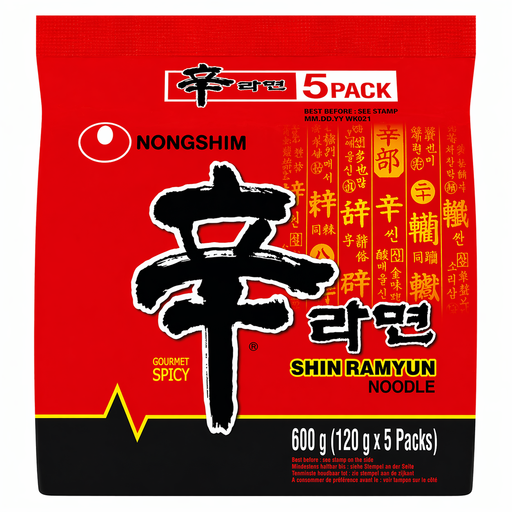
Why this fits the profile: A pack of five portions is manageable for anyone trying Korean ramen for the first time and not wanting to buy a large box straight away.
The size limits the risk of having too large a stock. The packet states 5 x 120 grams and a cooking time of around 4 to 5 minutes.
Five individual portions, soup base and dried vegetables. According to the product information, contains wheat and soya.
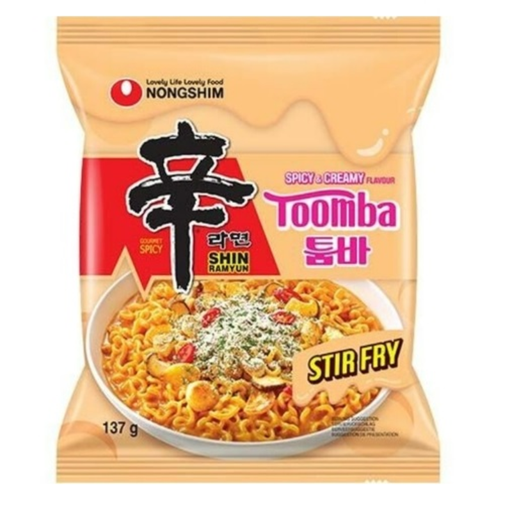
Why this fits the profile: This 137-gram portion combines a spicy noodle with a sweet, cheesy flavour according to the product description.
The product information lists noodles, seasoning powder and seasoning paste separately. This means you can adjust the amount of sauce and seasoning to your own taste.
137 grams per portion and a cooking time of around 4 to 5 minutes. Contains, among other things, wheat, soya, almond, oat and mustard.
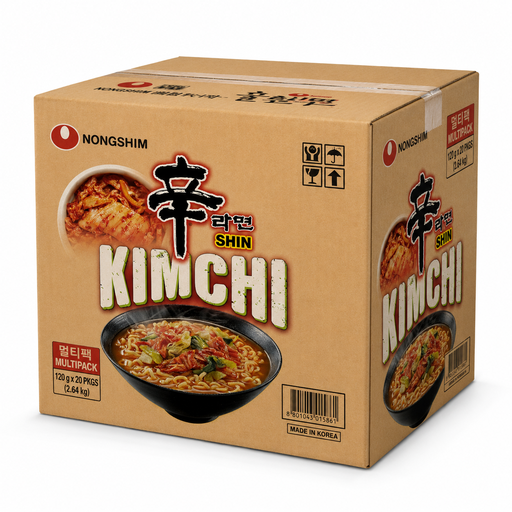
Why this fits the profile: The box of 20 individual portions is practical for households, shared student houses or regular ramen eaters.
Each portion is individually wrapped. This means you don't have to use up one opened large pack quickly.
20 portions of 120 grams and a kimchi vegetable mix according to the product description. Contains, among other things, wheat, soya, fish and mustard.
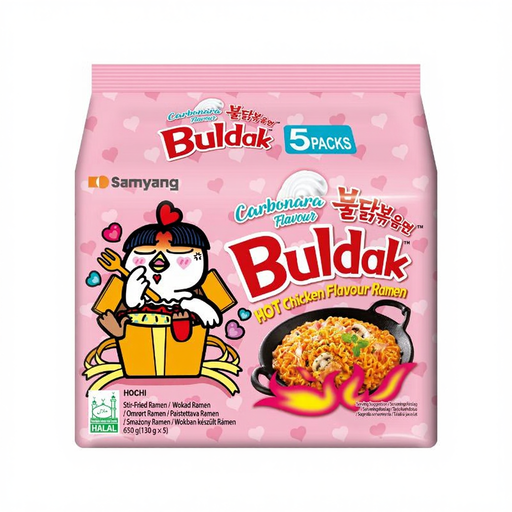
Why this fits the profile: The five portions are intended for anyone looking for a robust, spicy sauce and a carbonara-style flavour rather than a regular soup.
The cooking method makes it clear that you cook the noodles and then mix them with the sauce. This prevents confusion with a broth product.
Five packets of 130 grams, with sauce and carbonara powder. Contains gluten, soya, milk and celery according to the product information.
We've put together a full, up-to-date list of products that fully meet these strict selection criteria and current European safety regulations.
It depends on the type. Soup noodles are usually cooked for four to five minutes in around 500 to 550 ml of water. For cup noodles, add boiling water up to the indicated line. Stir-fry noodles are cooked first, then you drain most of the water and add the sauce. Always check the packet.
No. The intensity varies by flavour and brand. Shin Ramyun, kimchi ramen and Neoguri generally have a spiced soup base. Buldak varieties use a concentrated sauce and are therefore a different category within spicy instant noodles. If you want less heat, you can use part of the sauce or seasoning powder.
The best-before date is on the packet. Store unopened noodles in a cool, dry place away from direct sunlight. Check the packet for damage and do not use the product if the contents or packaging smell or look unusual. The information on the packet is the deciding factor.
