
Vandaag of morgen in huis

Kwaliteit gegarandeerd

Welkomstaanbiedingen ontgrendelen: GRATIS bezorging | Tot 80% korting | Gratis 30 dagen JoyPlus-proefperiode
Download de app
Korean instant noodles are perfect for a quick lunch, a late-night snack, or a store cupboard that can handle busy weeks. However, Korean ramen varies greatly in flavour, preparation method, portion size and spiciness. A cheap multipack might not be as suitable as a smaller pack that better matches your eating habits.
Watch out for three common pitfalls:
Korean instant noodles can be broadly split into two groups. With soup noodles, you add the seasoning powder to the water while cooking. NongShim Shin Ramyun Spicy Chicken is a good example: the pack contains wheat noodles, soup seasoning and dried vegetables such as spring onion, carrot, mushroom and red pepper.
With stir-fry noodles, you drain most of the water off. Samyang Buldak noodles are typically mixed with a sauce and powder sachet. So the preparation method affects not only the texture, but also how intense the flavour becomes.
If you enjoy spicy Korean noodles, you can choose from different heat levels. Original Buldak ramen and “double spicy” versions are described as being for fans of serious heat. Carbonara, cheese and rose variants add a creamy or savoury note.
Creamy flavours don’t automatically make the noodles mild. Always check the product information, and if in doubt, start with part of the sauce sachet. This is especially handy when several family members want to use the same pack.
A standard pack in the range on offer is often 130 to 140 grams. Cup versions are smaller, for example 80 grams, and are convenient when you don’t want to use a pan. For a household or a shared stash, an instant noodle multipack or a box of 20 individual portions makes more sense.
Store Korean noodle packs in a cool, dry place away from direct sunlight. Check the packaging and the best-before date when you receive them. For products with a short remaining shelf life, it’s wise to look at the product page and label first.
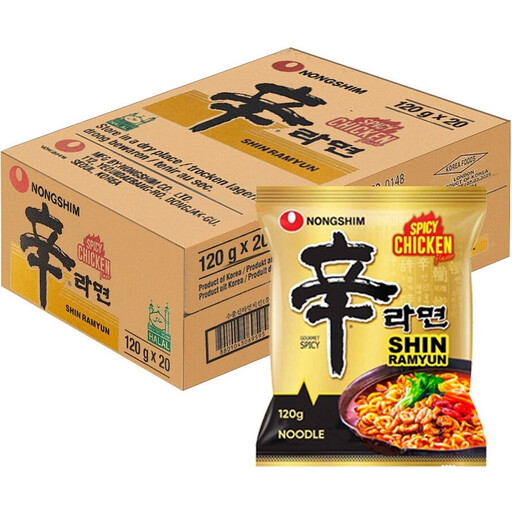
Why this fits the profile: This box contains 20 portions of 120g and is ideal for students, families and fans who regularly enjoy soupy Korean ramen.
The product information clearly states the content per portion, the number of packs and the cooking time of around 4 to 5 minutes.
Soup variety with dried vegetables; 20 individual portions; produced in South Korea according to the product listing.
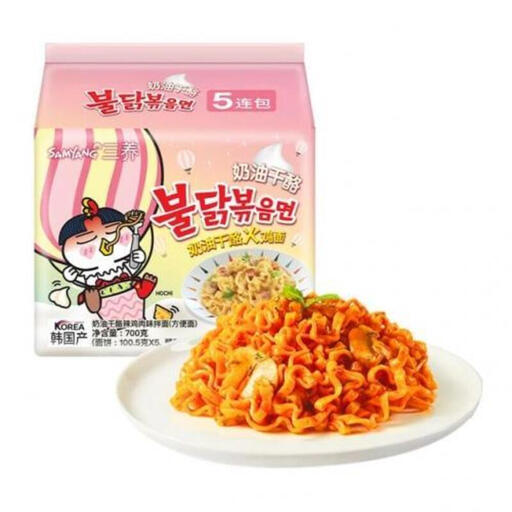
Why this fits the profile: The combination of spicy sauce and a powder mix with milk and mozzarella products suits those looking for more flavour layers than standard chicken ramen.
The pack states a set of five portions and gives a clear preparation method, so you don’t have to buy a large stock straight away.
140g per portion; creamy carbonara flavour; the product listing mentions gluten, soya and milk as allergens.
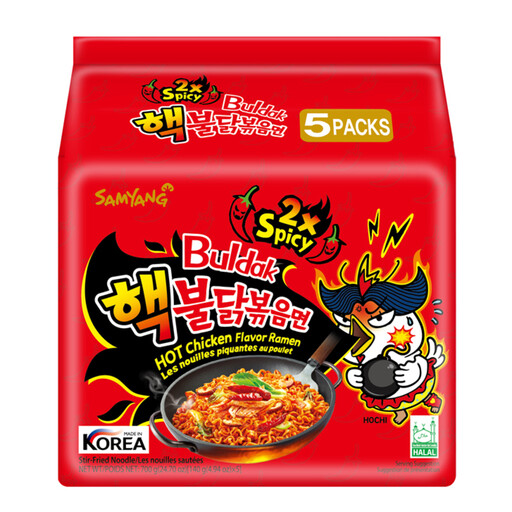
Why this fits the profile: If you’re deliberately looking for a very spicy option, you get five portions with a sauce, sesame and seaweed according to the product description.
The product name and description clearly state that this is a double spicy version. That makes the heat level clearer upfront than a general term like spicy.
Five portions of 140g; dry stir-fry preparation; contains wheat, soya and sesame according to the label.
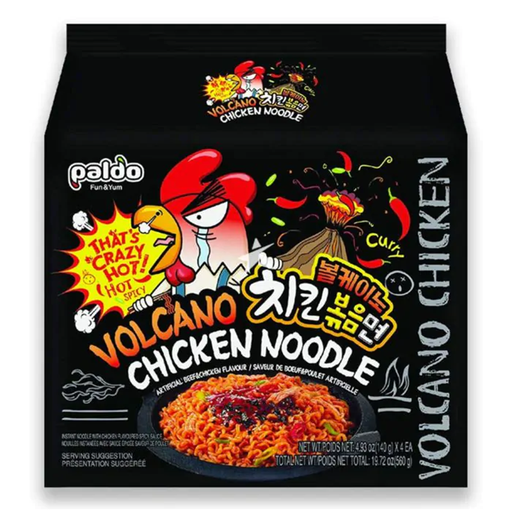
Why this fits the profile: This four-pack is ideal if you want to try spicy chicken noodles without committing to a large box straight away.
The preparation instructions mention boiling, rinsing with cold water and then mixing with the sauce. This makes it clear that it’s not a classic noodle soup.
Four portions of 140g; sweet and spicy flavour according to the product description; stir-fry style without broth.
Many Korean ramen contain wheat or gluten and soya. Varieties with carbonara, cheese or rose sauce often also contain milk. Some labels additionally mention sesame, celery, egg, fish or other possible traces. Always check the actual packaging, especially if you have an allergy or intolerance.
Nutritional values vary, but several products in this range contain around 400 to 430 kcal per 100 grams. That makes portion size important. Use the nutrition table on the label as a guide, and add vegetables, egg or tofu if you want a more substantial meal.
We’ve put together a full, up-to-date list of products that fully meet these strict selection criteria and comply with current European safety regulations.
Follow the instructions on the pack. Soup noodles are usually boiled for a few minutes with the seasoning powder. With Buldak ramen, you boil the noodles first, drain most of the water, and then mix in the sauce and any powder sachet.
The best-before date is on the individual pack and sometimes also on the outer packaging. Store the noodles unopened in a cool, dry place. Don’t use any product with damaged packaging, and check the date on each portion in multipacks.
That depends on the variety and individual sensitivity to spicy food. Products with “double spicy”, “hot chicken” or “volcano” can be very hot. For children, choose a milder flavour and read the warnings and ingredients on the label.
